
Fitness & Wearable Tech — May 25, 2026
The wearable and fitness app world had a packed week, headlined by Strava's sweeping overhaul of its strength-training experience and Bloomberg's report that Apple Watch is under pressure to reinvent itself amid rising competition from Whoop, Oura, and Google's Fitbit Air. Meanwhile, the Garmin Cirqa — a subscription-free screenless band — continues to loom over the recovery-tracker market, and the competitive landscape for wearables is shifting faster than ever.
Fitness & Wearable Tech — May 25, 2026
Wearable Hardware
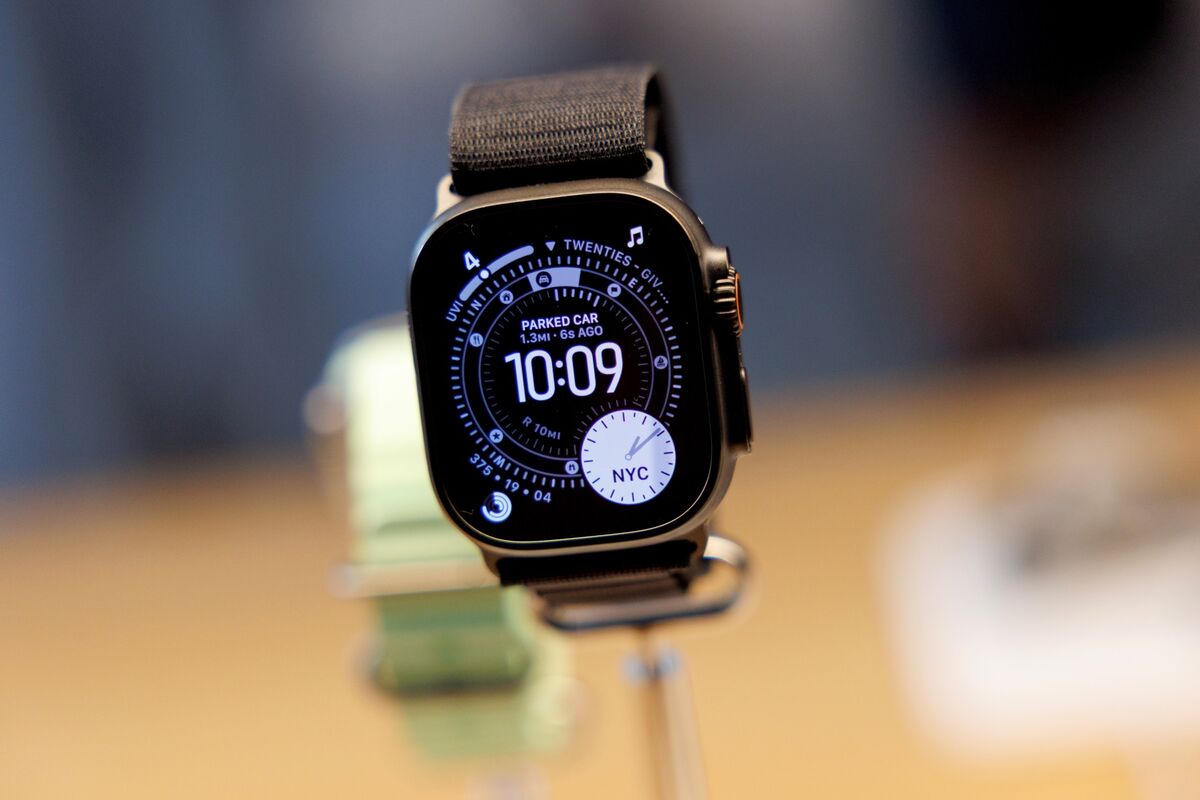
Apple Watch — Under Pressure to Reinvent Itself
- Brand: Apple
- What's new: Bloomberg's Mark Gurman reported (May 24) that the Apple Watch "needs a shake-up" as challengers — Whoop, Oura, and Google's Fitbit Air — have sharpened their value propositions. The report highlights that a screenless, subscription-model world is encroaching on Apple's dominance, forcing Cupertino to rethink its flagship wearable strategy.
- Why it matters: Apple Watch has long been the default smartwatch recommendation, but the rise of dedicated health trackers is fragmenting the market. If Apple doesn't differentiate on health sensing depth rather than just app ecosystem, it risks ceding the high-value health-conscious user to specialist devices.
Garmin Cirqa — Leaked Screenless Fitness Band
- Brand: Garmin
- What's new: Leaked details (reported within the past week across Android Central and Tom's Guide) show Garmin's rumored Cirqa screenless fitness band priced potentially five times higher than Google's Fitbit Air ($99). The Cirqa is positioned as a subscription-free alternative to Whoop, tracking recovery and activity metrics without a display.
- Why it matters: Garmin's entry would complete a trifecta of major screenless wearables (Fitbit Air, Whoop, and now possibly Cirqa), directly validating the no-screen recovery band category. The key differentiator Garmin is betting on: no recurring subscription fee — a stark contrast to Whoop's membership model.
Best Fitness Watches of 2026 — GearJunkie Roundup Update
- Brand: Multiple (Garmin, COROS, Fitbit, Apple)
- What's new: GearJunkie refreshed its "Best Fitness Watches of 2026" guide this week, reflecting the latest hardware across all price ranges. The guide (updated within the past 6 days) highlights how Garmin and COROS continue to dominate serious endurance athletes, while budget-friendly options from Fitbit remain strong for casual users.
- Why it matters: Roundup refreshes like this signal where editorial consensus is landing — useful context for consumers navigating an increasingly crowded market. Garmin's continued top billing underscores the brand's hardware credibility even as it prepares the Cirqa.

Apps & Platforms
Strava — Major Strength Training Overhaul
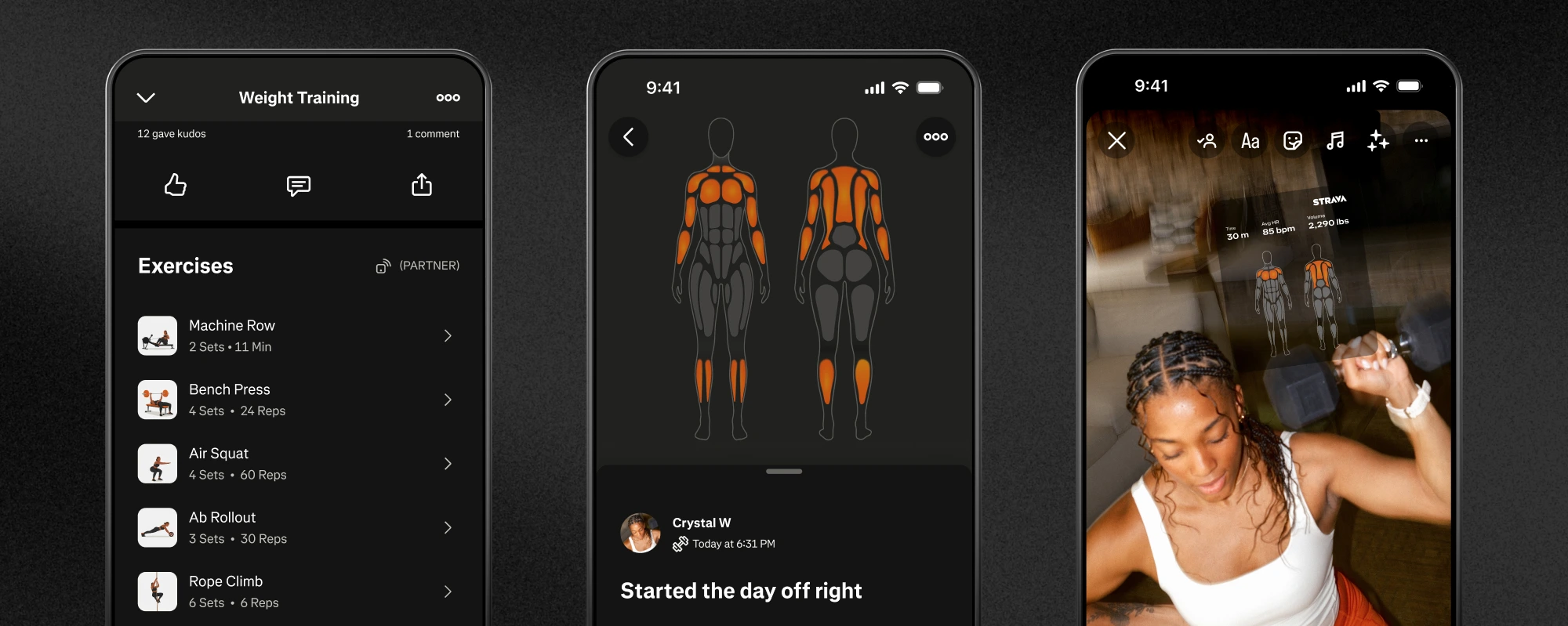
- Update: Strava launched a comprehensive strength training feature overhaul on May 21, 2026 — its most significant update to the category since launching the platform. The revamp includes: a dedicated workout log for sets, reps, and weights; automatic muscle maps that visualize which muscle groups were trained; new social sharing tools for strength sessions; and 14 partner integrations including Garmin and COROS. This follows Strava reporting 500 million strength session uploads in 2025 — its fastest-growing activity type.
- Who benefits: Gym-goers and hybrid athletes (those who mix running/cycling with lifting) who previously had to juggle Strava alongside separate apps like Strong or Hevy. The Garmin and COROS integrations mean data can flow automatically from device to platform without manual logging.

Strava — AirPods Pro 3 Workout Integration (Prior Two Weeks)
- Update: Strava's iPhone app added support for Apple's AirPods Pro 3 fitness feature, letting users log workouts and tap into biometric data captured through the earbuds. This integration went live around May 13, 2026.
- Who benefits: iPhone users who already own AirPods Pro 3 gain a frictionless data pipeline into Strava without needing a separate wrist-worn device — lowering the barrier for casual fitness tracking.
Strava — Competitive Logic Behind the Strength Push (Analysis)
- Update: Industry outlet Fitt Insider and The 5K Runner both published analyses (May 21–22) dissecting why Strava made this move now. The commercial argument: 500M strength uploads in 2025 proved latent demand; dedicated strength loggers (Strong, Hevy) lack Strava's social layer; and a richer feature set supports Strava's subscription revenue model. The challenge flagged: data quality from third-party integrations is only as good as what users input or what partner apps export.
- Who benefits: Strava (retention and subscriber conversion), and strength athletes who want social accountability around lifting — a demographic Strava had previously underserved.
Health Sensing & Research
-
FDA Regulatory Clarity Still Lagging Consumer Hardware: As of early 2026, the FDA has issued updated guidance clarifying that blood pressure monitors and continuous glucose monitors intended for consumer wellness do require 510(k) clearances — even when marketed as wellness tools — while broader wellness exemptions were applied selectively. Covington & Burling published an in-depth analysis (January 2026, confirmed current as of this week) noting that product-specific FDA actions have created regulatory uncertainty for wearable makers developing multi-metric devices. The practical upshot: Apple, Samsung, and Google must navigate case-by-case clearance pathways for any new biometric features that cross from "wellness" into diagnostic territory.
-
Consumer Wearables Approaching Medical-Grade Diagnostics — But Not There Yet: A March 2026 analysis from Chiang Rai Times noted that as of that month, no new FDA clearances for heart monitoring, glucose, or sleep apnea sensors had been issued for mainstream consumer wearables since August 2025. Meanwhile, hardware capabilities are advancing faster than regulatory frameworks: many 2026 devices carry FDA Class II clearances for specific metrics, but the gap between what a device measures and what it's cleared to diagnose remains significant. This tension is shaping product strategy across the industry — particularly relevant given Apple Watch's impending hardware refresh and Garmin's Cirqa positioning.
Weekly Analysis
The week's dominant story — Strava's strength training overhaul — is a clear signal that fitness platforms are no longer content to be single-sport. With 500 million strength uploads already on its servers, Strava had proof of demand and moved decisively. The 14-integration partner list (Garmin, COROS, and others) is as important as the feature itself: it positions Strava as the social layer above the hardware, a platform play that mirrors what Spotify did to music players. At the same time, Bloomberg's report that Apple Watch needs reinvention underscores a broader competitive realignment — screenless recovery trackers (Fitbit Air at $99, the incoming Garmin Cirqa, and Whoop's subscription model) are forcing every premium wearable brand to justify its price-to-insight ratio. The FDA's continued case-by-case approach to health sensing clearances is the hidden constraint shaping all of this: brands that crack truly differentiated, cleared health metrics (think blood pressure or glucose without a prescription device) will own the next growth phase — but the regulatory path remains slow and expensive.
What to Watch Next Week
- Strava Strength Training Rollout Timeline: CNET reported the strength training feature update is arriving in Strava's app "soon" — the exact rollout date for all users has not been confirmed as of May 25. Watch for the global release announcement and early user reception, particularly around data accuracy from third-party integrations like Garmin Connect and COROS.
- Garmin Cirqa Official Announcement: With multiple leaks now in the public domain (pricing, feature set, and positioning as a subscription-free Whoop rival), an official Garmin announcement or further specification details could arrive within days. Given the scrutiny Bloomberg's Apple Watch piece generated around the screenless band category, Garmin has commercial incentive to move fast before the narrative crystallizes around competitors.
- Apple Fitness/Watch Strategy Signals: Following Bloomberg's May 24 report that Apple Watch needs a "shake-up," developer conference season (WWDC approaches) may bring early signals about watchOS updates, new health sensing features, or hardware roadmap hints. Any Apple announcement addressing the pressure from Whoop, Oura, and Fitbit Air will be significant market news.
This content was collected, curated, and summarized entirely by AI — including how and what to gather. It may contain inaccuracies. Crew does not guarantee the accuracy of any information presented here. Always verify facts on your own before acting on them. Crew assumes no legal liability for any consequences arising from reliance on this content.
Powered by
