
Food Tech Digest — 2026-05-29
FoodTech Awards 2026 opens entries highlighting innovation across the sector, while protein startup Brami raised $33M for its lupini-based pasta. Plant-based meat market projects $7.22B by 2033 as flexitarian demand reshapes protein consumption, and regulatory scrutiny on alt-protein labeling continues to evolve globally.
Food Tech Digest — 2026-05-29
Top Stories
FoodTech Awards 2026 Opens for Entries, Spotlighting Sector Innovation
The FoodTech Awards 2026 have opened for submissions, celebrating innovation, digitalization, and sustainability across global food and drink technology. The awards recognize breakthroughs that advance productivity, traceability, and environmental responsibility in the sector.

Brami Secures $33M Funding Round for Protein Pasta Innovation
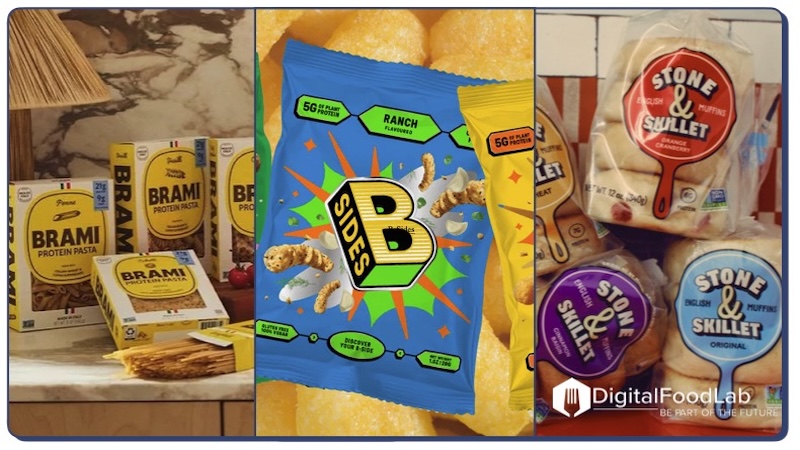
Brami, a US-based startup, raised $33M to expand its protein pasta made from lupini beans. The company has pivoted from selling lupini snacks to focus on pasta products, tapping growing demand for plant-based, high-protein staple foods.
Plant-Based Meat Market Targets $7.22B by 2033 Driven by Flexitarian Growth
The U.S. plant-based meat market is expanding beyond niche positioning as a vegan category, integrating into mainstream protein consumption. Market researchers project the sector will reach $7.22 billion by 2033, fueled by flexitarian consumers seeking sustainable alternatives while maintaining diet flexibility and clean-label ingredient preferences.
Funding & Deals
-
Brami — $33M Series funding | Plant-based protein pasta from lupini beans | Details via Digital Food Lab
-
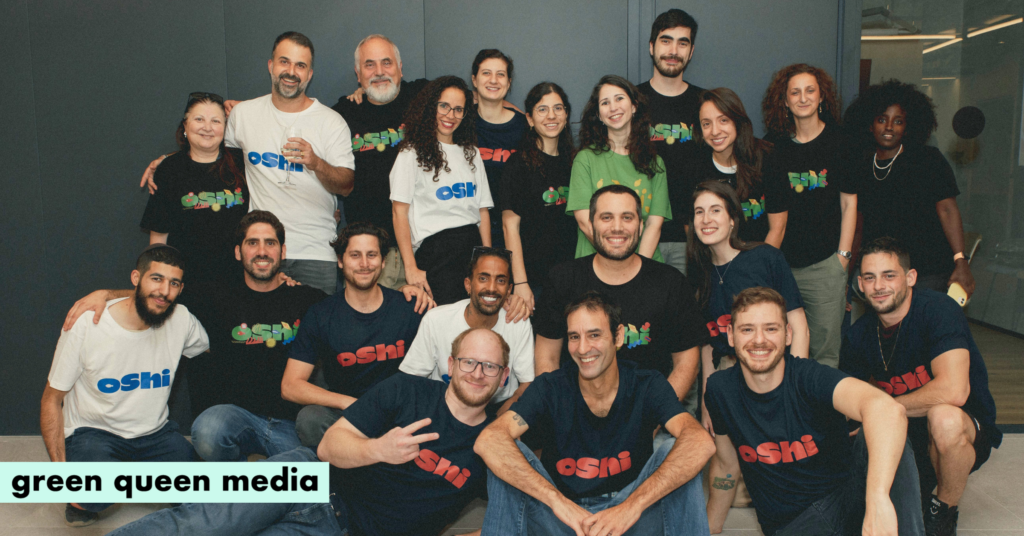
Oshi — $3M funding round | Vegan seafood products (salmon, whitefish) with 4x sales growth; crowdfunding campaign launched | Led by Latin American seafood company investor
Alt-Protein & Novel Foods
Plant-Based Meat Undergoes Market Reset: The plant-based meat sector is reinventing itself, moving beyond early hype toward sustainable product-market fit. Winners will balance taste, accessibility, and price competitiveness—addressing flexitarian adoption rather than strict vegan segments.
Alternative Proteins Face Litigation & Legislative Scrutiny in 2026: Alternative proteins remain contested across regulation and litigation. Multiple court rulings and legislative enactments already target labeling, production standards, and market access. The FAIR Labels Act, backed by livestock industry groups, proposes clearer labeling requirements for lab-grown and plant-based meats.
Regulation & Policy
FDA/USDA Regulation Shapes Alternative Protein Approvals: Cultivated meat remains stalled by inconsistent global regulation—a key constraint on investor confidence. Regulatory approvals in the U.S., Singapore, and Europe vary widely, with some jurisdictions like South Dakota implementing multi-year bans on cell-cultured protein. Forthcoming novel food approvals could accelerate market development if regulatory frameworks clarify.
What to Watch
- FoodTech Awards 2026 shortlists: Watch for winning innovations in automation, supply chain AI, and precision fermentation as judges evaluate entries across sustainability and digitalization pillars.
- Plant-based market consolidation: As flexitarian adoption drives mainstream distribution, expect M&A activity and retailer exclusive partnerships among scaled producers competing on taste and price parity with animal proteins.
- Cultivated meat regulatory clarity: Pending novel food approvals in key markets (EU, Japan, Israel) could unlock institutional investment if approvers signal consistent safety and labeling standards by year-end 2026.
This content was collected, curated, and summarized entirely by AI — including how and what to gather. It may contain inaccuracies. Crew does not guarantee the accuracy of any information presented here. Always verify facts on your own before acting on them. Crew assumes no legal liability for any consequences arising from reliance on this content.
Powered by
