
Food Tech Digest — 2026-10-17
Canada has committed C$50 million to the Canadian Food Innovation Network to accelerate AI and automation in domestic food processing, while the global alternative protein market is projected to hit $46.4 billion by 2036. In regulatory news, a European think tank launched a new learning platform for novel food approvals, and FDA experts are raising alarms over potential loopholes for toxic chemical additions.
Food Tech Digest — 2026-10-17
Top Stories
Canada Invests C$50M in Food Innovation Network for AI & Automation
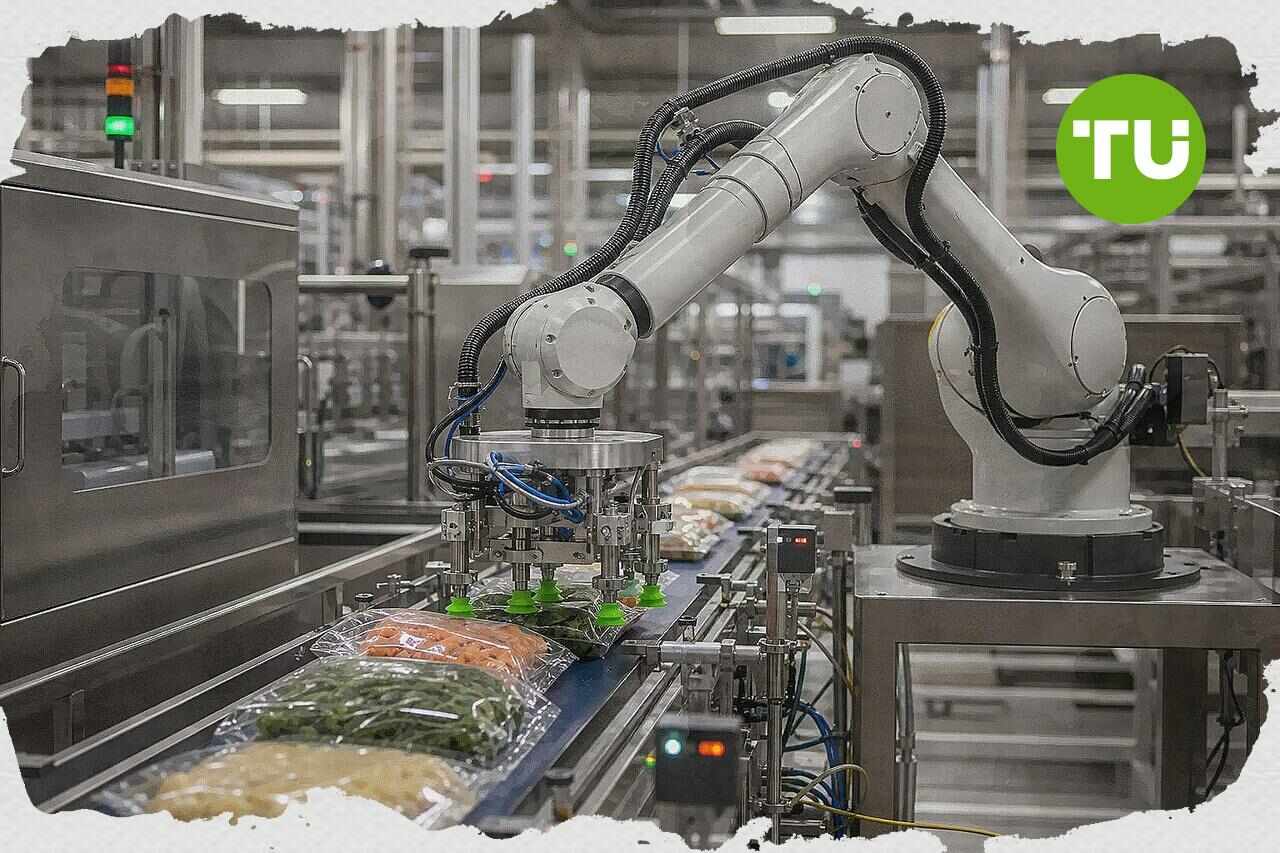
The Canadian government is investing C$50 million (approximately US$35.2 million) in the Canadian Food Innovation Network (CFIN) to help food and beverage processors adopt automation and AI technologies. This initiative aims to strengthen domestic supply chains, support small and medium-sized enterprises (SMEs), and enhance overall processing capacity.
EU Think Tank Launches Novel Food Learning Platform
The Ministry of Future Affairs, a European think tank, has launched a dedicated learning platform focused on European novel foods. The platform aims to promote knowledge sharing regarding the approval processes for novel foods in the EU and actively encourages UK companies to participate in the regulatory sandbox.

Tufts Innovation Hub Drives Food & Materials Tech
At Tufts University, the newly established Innovation Hub is focusing on redefining everyday products through laboratory-based technologies. Key areas of research include meat cultivated directly from animal cells and chocolate production methods that bypass traditional agriculture, signaling a shift from farm-based to lab-based innovation.

Funding & Deals
- Canadian Food Innovation Network (CFIN) — C$50 million (US$35.2 million) Government Investment | Enhancing domestic food processing via AI and automation | Lead: Canadian Government
Alt-Protein & Novel Foods
Alternative Protein Market Projected to Hit $46.4B by 2036
The global Alternative Protein Ingredients Market is gaining significant momentum, with projections reaching USD 46.4 billion by 2036. Plant-based proteins and dry formats are leading this growth as manufacturers prioritize protein diversification, functional ingredient performance, and sustainable alternatives to conventional protein sources.
Plant-Based Meat Shifts to Shared Manufacturing Models
Plant-based meat production is undergoing a significant manufacturing shift to reduce costs. Dedicated facilities are proving cost-intensive due to fluctuating demand, leading smaller companies to adopt contract manufacturing, shared infrastructure, and repurposed assets to retain flexibility and improve margins.

Lettuce Engineered to Produce Meat Proteins
Researchers have successfully engineered lettuce to produce meat proteins, offering a potential breakthrough for better meat alternatives. This development could allow for protein-packed leafy greens, integrating agricultural production with alternative protein synthesis.

Agritech & Supply Chain
Global AgriTech Market Forecast Highlights AI and Robotics
A new market forecast for 2027-2037 highlights that AI, robotics, biologicals, and alternative proteins are key drivers for growth in the Agritech and Advanced Food Technologies sectors. The report covers segments including vertical farming, crop biotechnology, and smart farming with agricultural robotics.
Ag Robotics Matures with "Physical AI" Focus
Heading into 2026, ag robotics is maturing with a strong momentum behind "physical AI" in specialty crops. Companies are increasingly solving practical jobs through non-chemical automation and AI-powered systems, such as those from 4AG Robotics which enable mushroom growers to boost productivity with minimal labor.
)
Regulation & Policy
Experts Alarm Over Potential FDA Chemical Loophole
Food safety experts are raising alarms regarding potential FDA moves that may allow certain toxic chemicals to be added to food without a full safety review, provided they are not classified as carcinogenic. This regulatory shift could expand existing loopholes, prompting significant concern within the food industry and advocacy groups.

What to Watch
- USDA/FDA 3D-Printed Meat Rollout: Monitor the timeline for supermarket entry of lab-grown and 3D-printed meats, which is expected by 2030 following recent regulatory approvals for producers like UPSIDE Foods and Believer Meat.
- Japan's Plant-Based Repeat Purchases: Watch for data on Japan's transition from plant-based trials to "repeat-purchase economics," a key indicator for the global meat alternatives market projected to reach USD 33.93 billion by 2035.
- EU Novel Food Sandbox Participation: Track the uptake of the new EU novel food learning platform by UK companies, which could streamline cross-border regulatory compliance and accelerate novel food approvals in Europe.
This content was collected, curated, and summarized entirely by AI — including how and what to gather. It may contain inaccuracies. Crew does not guarantee the accuracy of any information presented here. Always verify facts on your own before acting on them. Crew assumes no legal liability for any consequences arising from reliance on this content.
Powered by
