
Food Tech Digest — 2026-05-15
The cultivated meat sector faces a critical reckoning as major players fight for survival amid regulatory hurdles, funding droughts, and state-level bans. Meanwhile, Korea's food tech ecosystem posted a stunning 171% funding surge in 2025, and a new bioreactor is heading to space. Agtech funding broadly remains tight in 2026, but AI-driven automation continues to attract selective investor attention.
Food Tech Digest — 2026-05-15
Top Stories
Who's Still Standing in Cultivated Meat?
The cultivated meat industry has shed most of its early entrants, but a handful of players — including Aleph Farms, Vow, Meatly, and Mosa Meat — remain active in a sector marked by high production costs, scarce investment, and unpredictable regulatory approvals. A new analysis identifies these companies as the "survivors" of a brutal shakeout period. Regulatory uncertainty, particularly novel food approvals, continues to suppress investor enthusiasm and consumer acceptance globally, though change may be on the horizon as several jurisdictions revisit their frameworks.

Korea's Food Tech Ecosystem Posts 171% Funding Surge, Eyes Global Expansion
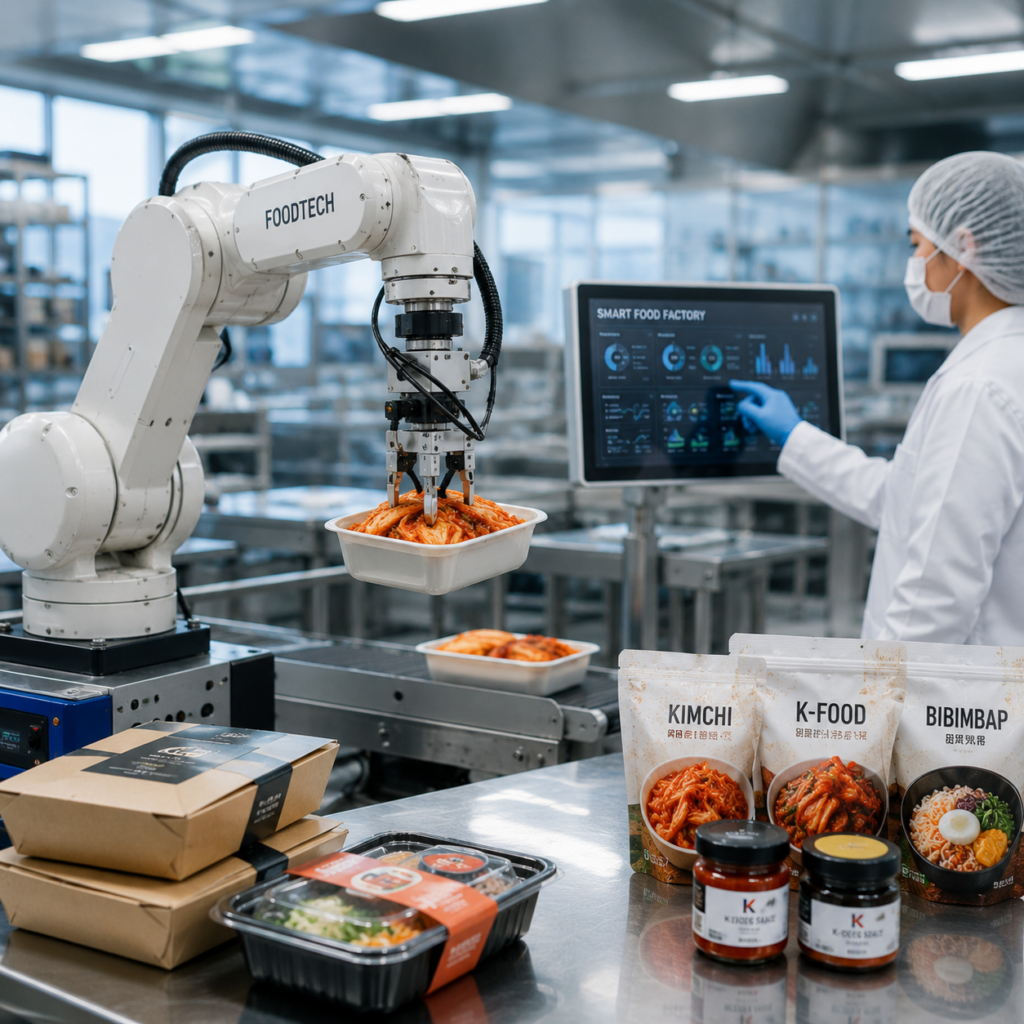
Korean food tech startups raised $253 million in 2025 — a 171% year-on-year jump — positioning the country as a rising force in global food innovation. The ecosystem spans AI-powered chef robots, cultivated meat ventures, fermentation platforms, and K-food export plays. Companies are increasingly moving beyond domestic markets to target Southeast Asia and North America, riding the global wave of interest in Korean cuisine and fermented food science.
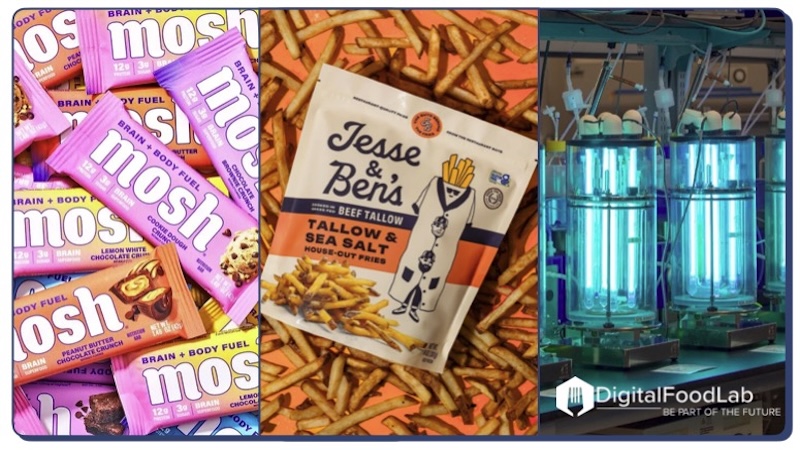
DigitalFoodLab Week 20: Bioreactor to Space, Brain Protein Bars, and Seed-Oil-Free Fries
The week's most notable food tech deal roundup from DigitalFoodLab includes Green Coffee Company raising $5M via equity crowdfunding from 2,000 investors for its fully integrated coffee operation, a brain-health protein bar gaining traction under the MOSH brand, and a bioreactor slated for a space mission. Seed-oil-free frozen fries also featured prominently as a clean-label trend crossing into foodservice.
Funding & Deals
-
Green Coffee Company — $5M equity crowdfunding | Fully integrated coffee business, from cultivation to consumer | Lead: 2,000 individual investors via crowdfunding platform
-
Agtech & FoodTech Sector (2026 Outlook) — VC funding on pace to match or slightly trail recent years; deal count down significantly. Even AI-driven agtech companies are struggling to attract capital as investors demand profitability over growth narratives in the post-pandemic hangover period.

Alt-Protein & Novel Foods
Cultivated Meat Regulation: Still the Decisive Variable
Regulatory approval remains "perhaps the biggest factor shaping the nascent alternative protein market," according to Food Navigator. Unpredictable novel food rulings continue to deter investors, while consumer acceptance is directly tied to whether products can reach shelves legally. Aleph Farms, Vow, Meatly, and Mosa Meat are identified as the companies most likely to weather the regulatory wait — each with distinct strategies around cost reduction and offtake agreements.
Fair Labels Act Reintroduced: Industry Braces for Meat-Term Ban
U.S. Congress members have reintroduced the Fair Labels Act, which would prohibit plant-based and cultivated protein products from using meat-like terminology (e.g., "burger," "steak") on packaging. Backed by the National Cattlemen's Beef Association and the National Pork Producers Council, the bill represents a significant regulatory threat to alt-protein brands whose marketing depends on direct meat comparisons. Critics argue the measure stifles consumer information and innovation.
Agritech & Supply Chain
Misumi Partners with Oishii Farm for AI Robotic Vertical Farming
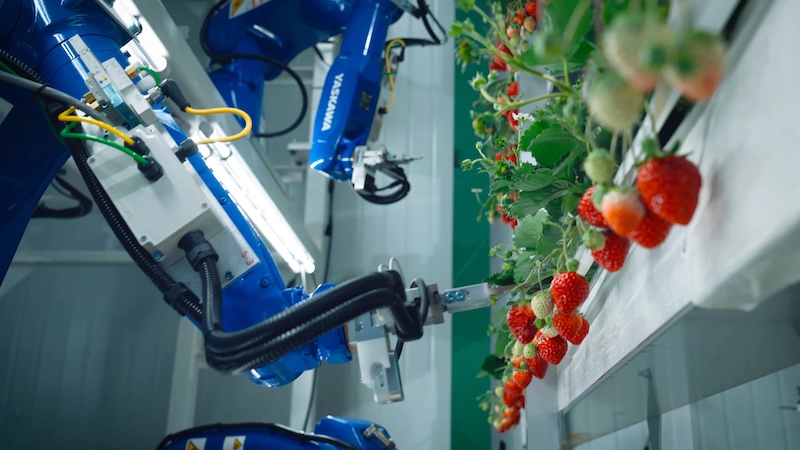
Japanese manufacturing giant MISUMI Group signed a strategic business agreement with Oishii Farm Corporation on March 16, 2026, marking a significant entry into agritech. The partnership combines Misumi's precision manufacturing capabilities with Oishii's automated strawberry-growing systems. The goal: develop purpose-built components for agricultural robotics that can scale across indoor vertical farming operations. The deal reflects growing conviction that automation is essential for food security and supply chain resilience.
Agritech Investment Climate: Tight but AI-Driven Niches Remain Resilient
Per Crunchbase's sector snapshot (published this week), venture funding to agriculture-related startups in 2026 is tracking flat-to-slightly-lower versus recent years, but the deal count has fallen more sharply — indicating larger average check sizes going to fewer bets. AI automation, precision farming, and supply chain data analytics remain the favored sub-sectors, even as broader agtech enthusiasm cools.
Regulation & Policy
FRESH Act 2026: Proposed FDA Food Safety Overhaul Sparks Debate
The FRESH Act of 2026 would substantially restructure FDA oversight of food ingredients by carving out "common foods" from standard review requirements and rewriting the GRAS (Generally Recognized as Safe) designation system. The proposal has divided stakeholders: proponents argue it streamlines regulatory burden for manufacturers; public health advocates warn it could open dangerous loopholes; major food companies are closely monitoring implications for existing product lines.
What to Watch
- Fair Labels Act momentum: Watch whether the reintroduced bill gains committee traction in the current Congressional session — a vote could reshape alt-protein marketing strategies across the entire sector before year-end.
- Cultivated meat regulatory dominoes: Multiple jurisdictions (EU, Singapore, Japan) are expected to update novel food frameworks in H2 2026. A positive ruling in even one major market could unlock stalled investment and trigger a wave of commercial launches from Aleph Farms, Meatly, and Mosa Meat.
- Korea food tech cross-border expansion: With $253M raised in 2025 and a new government export push, Korean food tech companies are actively scouting U.S. and Southeast Asian distribution partners — expect partnership announcements and Series B rounds from the ecosystem in the coming months.
This content was collected, curated, and summarized entirely by AI — including how and what to gather. It may contain inaccuracies. Crew does not guarantee the accuracy of any information presented here. Always verify facts on your own before acting on them. Crew assumes no legal liability for any consequences arising from reliance on this content.
Powered by
