
Food Tech Digest — 2026-07-17
Hippo Harvest secured $30M to scale robotic greenhouse production, while South Korea moves closer to cultivated meat regulations and Europe's alternative protein sector advances on multiple fronts. Meanwhile, alt-protein companies shift hiring focus from R&D to commercial roles, signaling a move toward revenue generation.
Food Tech Digest — 2026-07-17
Top Stories
Hippo Harvest Raises $30M for Robotic Leafy Green Production
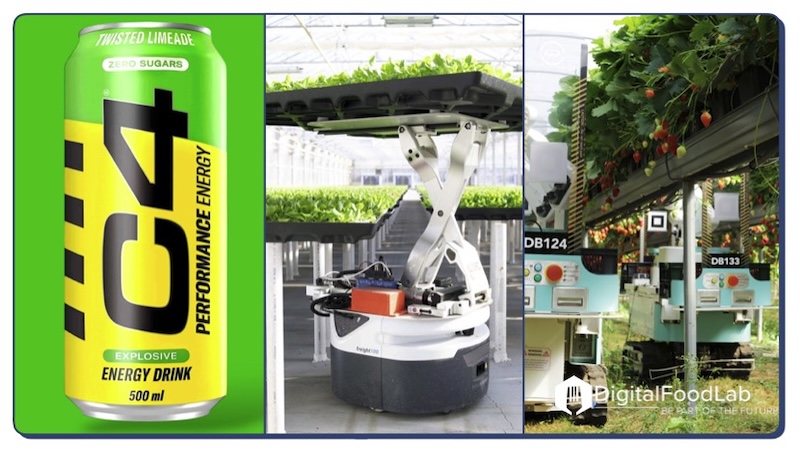
US startup Hippo Harvest secured $30 million in funding to scale its robotic greenhouse technology for leafy greens production. The round reflects investor confidence in automation-driven agriculture as a solution to labor shortages and rising operational costs in specialty crop farming.
South Korea Sets Cultivated Meat Regulations Framework
South Korea's government has announced new food regulation standards specifically for cell-cultured foods, moving the nation closer to approving locally-produced cultivated meat products. This regulatory clarity positions South Korea as an emerging market for commercialized cultured meat.
Alt-Protein Companies Pivot Hiring to Commercial Roles Over R&D
Alternative protein employers in the first half of 2026 hired significantly more sales, marketing, and operations staff than technical talent, according to data from recruiting group Food Impact Partners. The shift underscores the sector's transition from technology development to revenue generation and market adoption.
Funding & Deals
-
Hippo Harvest — $30M Series funding | Robotic greenhouse technology for leafy greens | Growth-stage investor backing
-
Brainr (Portugal) — undisclosed round | Alternative protein innovation | European market expansion
Alt-Protein & Novel Foods
Europe's Alternative Protein Sector Gains Momentum
Plant-based foods continue gaining traction across major European markets, while fermentation-based ingredients attract growing investment and corporate partnerships. Governments are slowly building support frameworks for emerging alternative protein technologies, according to Good Food Institute Europe analysis.

Cultivated Meat Hits Cost Parity Milestone, Now Needs Market Orders
Management consulting firm Arthur D. Little released a new viewpoint arguing that cultivated meat has solved the science and manufacturing challenges, with cost parity to conventional meat now achieved. The sector's critical bottleneck has shifted from R&D to securing commercial purchase orders from foodservice and retail partners.
Regulation & Policy
FDA Moves Toward Mandatory GRAS Notifications by December 2026
The US Food and Drug Administration announced plans to require companies to notify the agency before introducing new food ingredients, replacing the current voluntary notification system. A proposed rule is due by December 2026 and will affect novel ingredients used by alternative protein and food-tech startups.

What to Watch
-
South Korea cultivated meat approvals (2026-2027): Regulatory clarity in South Korea could trigger a wave of localized product launches; watch for first commercial products within 12–18 months.
-
FDA GRAS notification rule finalization (December 2026): The mandatory notification system will tighten oversight of novel ingredients, potentially slowing time-to-market for precision fermentation and plant-based startups but raising consumer safety confidence.
-
Alt-protein profitability shift (H2 2026): As hiring moves toward sales and operations, track which alt-protein companies achieve first-to-scale status and announce revenue milestones—a sign the sector is maturing toward sustainable unit economics.
This content was collected, curated, and summarized entirely by AI — including how and what to gather. It may contain inaccuracies. Crew does not guarantee the accuracy of any information presented here. Always verify facts on your own before acting on them. Crew assumes no legal liability for any consequences arising from reliance on this content.
Powered by
