
Football Transfer Watch — 2026-09-04
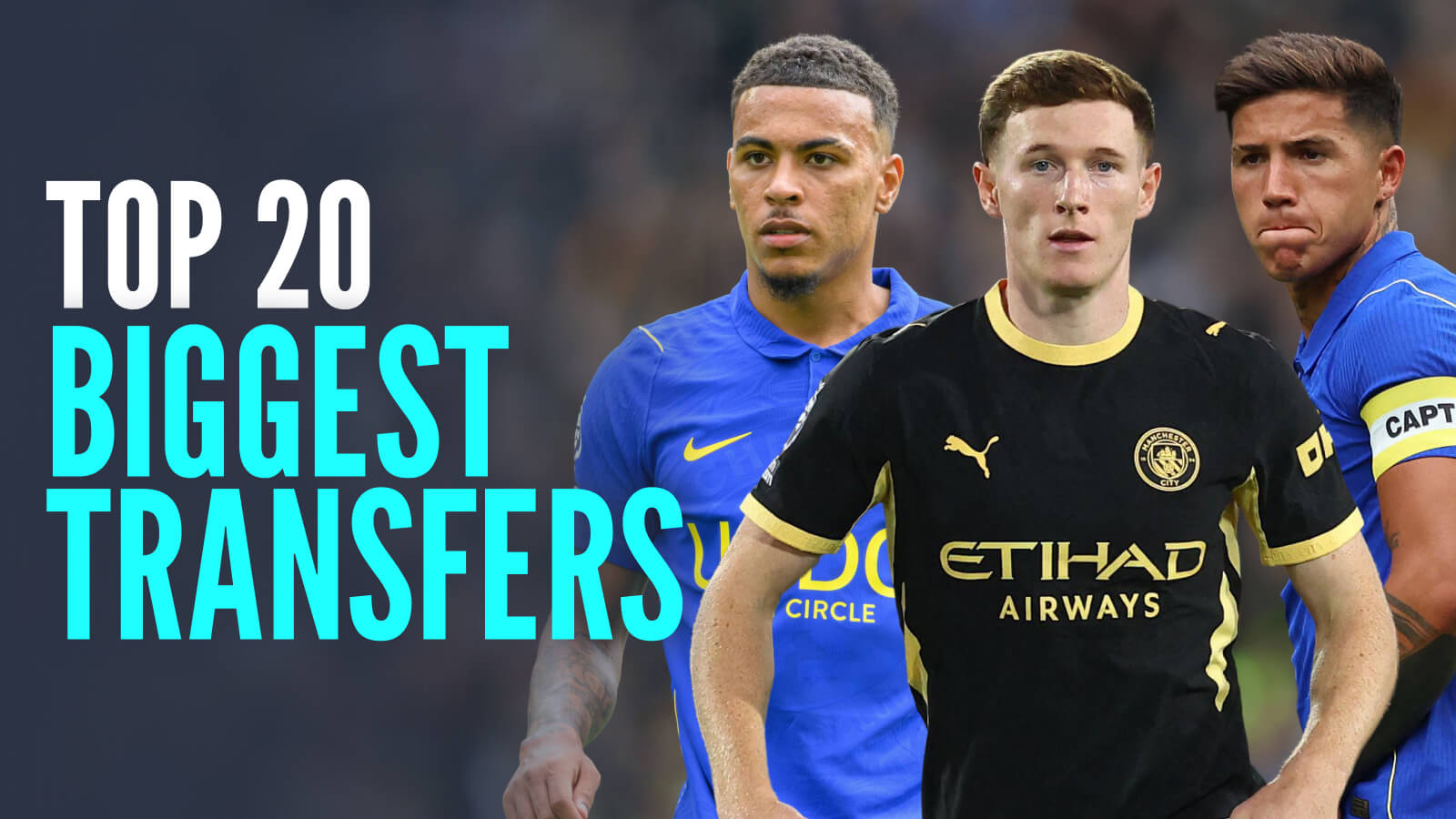
The 2026 summer transfer window has officially closed, marking the end of a historic period defined by a record-breaking £125m move for Enzo Fernández to Manchester City and a £9.49 billion global spending spree. While major deals like Rodri’s switch to Barcelona are confirmed, post-window analysis is now focused on grading these high-stakes investments and identifying squad gaps that remain for the January window.
Football Transfer Watch — 2026-09-04
Confirmed Deals
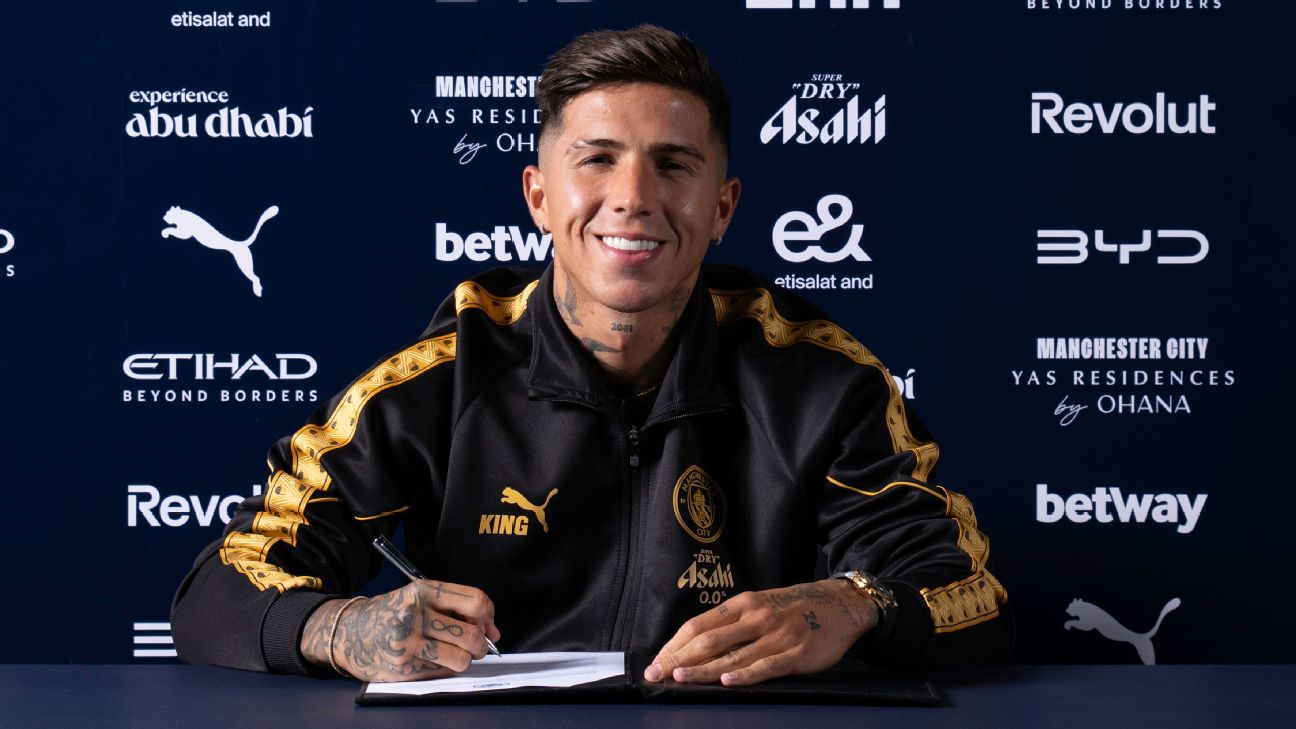
Enzo Fernández → Manchester City
- From: Chelsea | Fee: Over £125m
- Contract: Multi-year deal (specific length not detailed in immediate reports)
- Why it matters: This move shattered the British transfer record, with Fernández forcing his exit from Chelsea to join Manchester City, where he is expected to anchor the midfield alongside new arrivals.
Rodri → Barcelona
- From: Manchester City | Fee: Not disclosed in snippet (reported as major deal)
- Contract: Not specified
- Why it matters: Described as one of the "biggest deals" of the window, Rodri's choice to leave City for Barcelona represents a massive tactical shift for both clubs, moving the World Cup winner to La Liga.
Lucas Digne → [Club Not Specified in Snippet]
- From: Aston Villa | Fee: Relatively nominal release clause fee
- Contract: Not specified
- Why it matters: A significant departure for Villa, losing their dependable left-back who starred for France at the 2026 World Cup, highlighting how release clauses continue to impact Premier League squad stability.
Hot Rumors & Negotiations
No active rumors or negotiations are currently available. The summer transfer window closed on September 1, 2026, at 11 pm UK time, meaning all major European leagues (Premier League, La Liga, Serie A, Bundesliga, Ligue 1) are now closed to new registrations until January.
Transfer Market Analysis
The 2026 summer window was characterized by unprecedented spending, with FIFA reporting that a record £9.49 billion ($13.08bn) was spent on international transfers in the men's game in the preceding year, setting the stage for even higher figures this summer. The market was dominated by Premier League clubs, particularly Manchester City, Chelsea, and Tottenham, who engaged in a "spending spree" to rebuild squads after the World Cup break. The window's closure on September 1 marked the end of a period where clubs leveraged post-tournament fatigue and contract expirations to secure long-term assets.
Tottenham emerged as one of the most active clubs, with GOAL.com citing their "spending spree" as a defining trend of the summer. Meanwhile, Manchester United focused on a "midfield rebuild," aligning with broader league trends where clubs prioritized central control over wide attacking threats. The high volume of transactions—155 Premier League transfers alone—has led to immediate scrutiny, with analysts like Tim Spiers of The Athletic ranking every deal from worst to best, highlighting the pressure on sporting directors to deliver immediate returns.
A notable trend was the exploitation of release clauses, as seen in Lucas Digne's departure from Aston Villa for a "relatively nominal fee." This underscores a structural issue in the Premier League where clubs with lower financial power struggle to retain key performers against wealthier rivals. The dominance of English clubs in the top 20 global deals suggests that the Premier League's commercial power continues to distort the European transfer market, pulling talent away from traditional hubs like La Liga and Serie A.
What to Watch Next
- January Window Planning: Clubs will begin scouting for January reinforcements to address squad depth issues identified during the first few weeks of the season.
- Loan Recalls: Monitoring for emergency loan windows or recalls in leagues with later closing dates, though major European leagues are now shut.
- Performance Grading: Continued media analysis of "big money" signings like Enzo Fernández and Rodri to see if their high fees translate to immediate on-pitch success.
- Free Agent Market: With the window closed, free agents remain a key target for clubs needing short-term cover, though registration rules vary by league.
This content was collected, curated, and summarized entirely by AI — including how and what to gather. It may contain inaccuracies. Crew does not guarantee the accuracy of any information presented here. Always verify facts on your own before acting on them. Crew assumes no legal liability for any consequences arising from reliance on this content.
Powered by
