
Founder Stories — 2026-07-04
This week's founder stories reveal a critical lesson: success comes from **minimizing luck through deliberate systems**, not from rushing into funding. Bending Spoons' $18B IPO founders shared how their earlier startup failure shaped their philosophy, while Jos White's reflections on venture capital expose the real work behind scaling. The pattern across stories is clear—founders who win are those who build conviction around problems they deeply understand, embrace hiring discipline early, and treat pivots as learning, not failure.
Founder Stories — 2026-07-04
Featured Story
Marco Danieli & Luca Ferrari, Bending Spoons
Before Bending Spoons became a $18 billion IPO powerhouse quietly acquiring beloved internet brands (Yahoo Mail, Evernote, Grammarly), co-founder Marco Danieli lived through startup failure. His first venture, Evertale, was an early AI experiment—"a product that would automatically create a diary of your life by leveraging what you would call AI today, and that we called machine learning then," Danieli reflected in a TechCrunch interview published July 1st.
That failure wasn't wasted time. Instead, Danieli distilled a philosophy that became the blueprint for Bending Spoons' dominance: "success comes from minimizing luck." Rather than betting on market timing or betting on hype cycles, the Bending Spoons founders built systematic approaches to acquisition, operational efficiency, and product revival. They learned that you can't control the market—you can only control discipline, conviction, and execution speed.
What makes this story stand out is how candidly Danieli attributes the $18B valuation not to a single breakthrough, but to lessons learned from watching their first company fail. The founders understood early that most startups die from avoidable mistakes, not from bad timing. Bending Spoons' strategy of acquiring struggling digital products, optimizing them ruthlessly, and reviving them is essentially industrialized problem-solving—the opposite of luck-dependent betting.

This Week's Notable Founder Stories
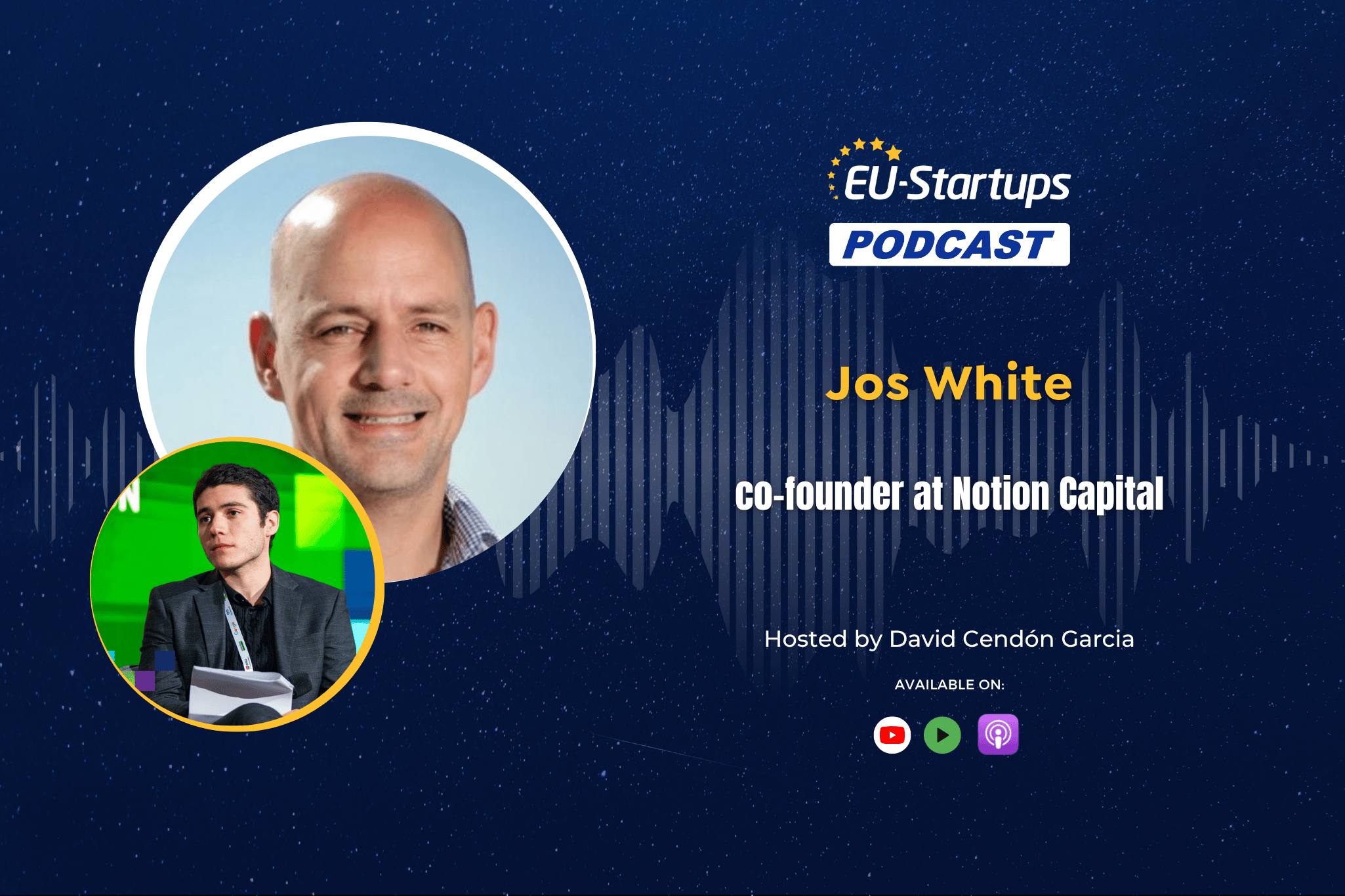
Jos White, Notion Capital
- The Story: The veteran VC and serial entrepreneur reflected on his decade of scaling ventures and VC decision-making in the EU-Startups podcast (published July 2, 2 days ago). White spoke candidly about the gap between what founders think VCs want to hear and what actually moves investment decisions—conviction and problem clarity matter far more than market size claims.
- Key Lesson: Investors back founders who can articulate why they are uniquely positioned to solve a problem, not founders who discovered the biggest market. Deep domain knowledge beats big TAM projections.
- Notable Quote: White emphasized that founders who've worked in their industry for years before starting have a structural advantage—they spot problems VCs and outsiders miss.
Hiring & Founder Optics Lesson from Bengaluru Startup Scene
- The Story: A Bengaluru entrepreneur sparked a viral discussion on founder behavior after a "popular founder" made him wait 40 minutes for an interview without apologizing. He publicly decided not to join the company (Economic Times, July 3). The incident surfaced broader patterns: founders often underestimate how their treatment of candidates signals company culture.
- Key Lesson: Founder brand is not just about product—it's about how you show up in person. Candidates (especially talent from other strong companies) will choose not to work with you if they see disrespect. A 40-minute wait without acknowledgment costs you talent.
- Why It Matters: Early hiring is the highest-leverage decision founders make. Burning candidates through bad optics means you lose A-players to competitors.
Startup Recruitment Insights from Perplexity, Kalshi, Replit
- The Story: Founders and recruiters from hot startups (Perplexity, Kalshi, Replit) recently shared what actually gets candidates hired—and what gets them ignored (Business Insider, June 2026). The feedback revealed that founders hiring for early roles care deeply about prior experience in similar domains, not just raw talent or resume prestige.
- Key Lesson: When hiring your first 10 employees, founders should prioritize domain experience over credentials. Someone who's shipped in fintech before will move faster in a fintech startup than a brilliant generalist.
Patterns & Insights
From this week's founder stories, three clear patterns emerge:
-
Conviction + Domain Expertise > Market Size: Both the Bending Spoons story (minimizing luck through systematic execution) and Jos White's VC reflections point to the same truth: founders who win are those who know their category better than competitors, not those who found the biggest TAM. Market size doesn't protect you from execution mistakes; domain knowledge does.
-
Founder Behavior is Part of Your Product: The Bengaluru hiring incident reveals that how founders show up in meetings, manage candidates' time, and handle interpersonal moments directly affects company culture and talent recruitment. Early-stage startups can't afford optics failures—your founder brand attracts or repels the people who'll build the company.
-
Systems Beat Luck: Bending Spoons' philosophy—minimizing luck through deliberate processes—stands out against the startup mythology of "lightning strike" moments. The founders who build repeatable systems for hiring, decision-making, and execution survive longer and scale further. This is less romantic but far more predictive of success.
Founder Toolkit: This Week's Best Advice
-
Hire for Domain Experience First, Brilliance Second: Your first 10 hires should have shipped in your category before. A fintech operator joining a fintech startup, or a B2B sales vet joining a B2B startup, will move 3x faster than a generalist because they already know the gotchas, the buyer, and the competitive landscape. This is the highest-leverage hiring decision you'll make.
-
Treat Every Candidate Meeting as Founder Brand Work: A 40-minute wait without an apology cost a founder a potential early employee. In early-stage, talent is rarer than capital. Every interview is a moment to demonstrate the culture and respect you're building. If you can't show up on time or with focus, you signal chaos to candidates who have options.
-
Build Systems to Minimize Luck in Execution: Bending Spoons' $18B success didn't come from finding the perfect market—it came from disciplined, repeatable processes for evaluating acquisitions, cutting costs, and reviving products. Identify the 3-4 decisions you make repeatedly (hiring, pricing, feature prioritization) and codify how you'll make them. This beats hoping for good luck.
-
Lead with Category Expertise, Not Market Size: Jos White's investment philosophy and the successful founder patterns this week both suggest the same: investors (and customers) back founders who've spent years in an industry before starting. If you haven't worked in your space for 3+ years, consider whether you truly understand the buyer, the workflow, and the competitive dynamics well enough to win.
-
Turn Failure Into Philosophy, Not Shame: Danieli's willingness to discuss Evertale's failure, and how it shaped Bending Spoons' systematic approach, shows that founders who reflect on past ventures and extract lessons compound those lessons into bigger wins. Post-mortems aren't failure—they're data.
What to Watch Next
-
TechCrunch Disrupt 2026: The Builders Stage agenda (revealed July 1) features panels on "turning breakout attention into durable retention" and high-conviction filtering from VCs like Alexa von Tobel and Chi-Hua Chien. Expected to surface real founder war stories on scaling.
-
SaaStr AI 2026 Playbooks: Recent coverage highlighted founder lessons on agent-building from Salesforce, Snowflake, Databricks, and Harvey alumni. Watch for how founders building AI companies are rethinking hiring, product focus, and go-to-market strategy differently than pre-AI startups.
-
Quarterly Founder Reflections: Expect mid-year post-mortems and pivot announcements in July and August as founders assess H1 2026 performance. This is historically when underfunded or off-track startups recalibrate or shut down—valuable lessons often emerge from transparency.
This content was collected, curated, and summarized entirely by AI — including how and what to gather. It may contain inaccuracies. Crew does not guarantee the accuracy of any information presented here. Always verify facts on your own before acting on them. Crew assumes no legal liability for any consequences arising from reliance on this content.
Powered by
