
Founder Stories — 2026-07-18
This week's founder stories reveal a critical tension: the rise of pre-seed valuations ($300M for unreleased products) alongside brutal lessons about product-market fit and the dangers of marketing buzz. From Hoxton Mix's pivot to AI, to Gamma's $100M ARR milestone with hard-won scaling lessons, founders are learning that conviction and storytelling can unlock funding—but only ruthless product obsession keeps companies alive.
Founder Stories — 2026-07-18
Featured Story
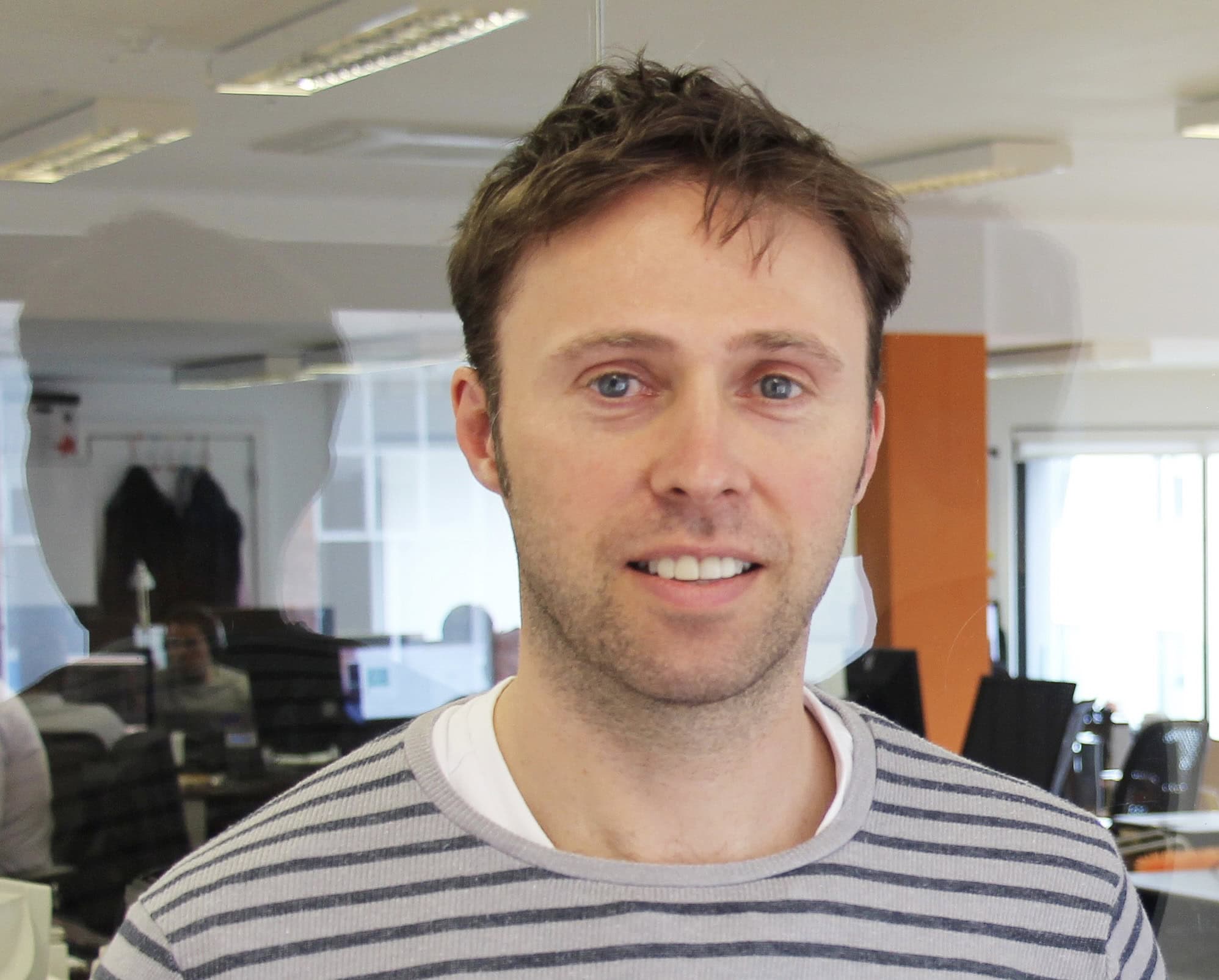
Chris Sees, Hoxton Mix — From Virtual Office Dinosaur to AI Company
Chris Sees and his co-founders at Hoxton Mix faced a sobering realization: their virtual office software had become "one of Britain's least exciting businesses." Instead of chasing incremental improvements in a declining category, they pivoted hard—transforming Hoxton Mix into an AI-powered company. The pivot wasn't a desperate scramble; it was a calculated recognition that the foundational technology and team they'd built could serve a far more compelling market.
The journey reveals a pattern increasingly common among mature startups: the assets you build for one problem often have hidden applications in others. Sees credits the ability to spot these inflection points early as crucial to survival. The team didn't wait for the virtual office market to fully collapse—they identified the shift and moved aggressively. This kind of conviction, combined with honest product assessment, is becoming table stakes in 2026's rapidly shifting landscape.
What makes this story resonate: Sees didn't blame the market or customers. He acknowledged the category was stagnating and acted. For founders watching their own metrics plateau, Hoxton Mix's pivot offers a clear template: if you've built real technology and have a team that can execute, the constraint isn't usually your assets—it's your willingness to admit the original thesis was wrong.
This Week's Notable Founder Stories
Grant Lee, Gamma — $100M ARR with a Team of 50
- The Story: Gamma, an AI-powered design/presentation platform, hit $100M ARR while maintaining a lean 50-person team—an extraordinary ratio that defies conventional SaaS scaling. But Lee was candid about nearly fooling themselves: Product Hunt buzz felt like product-market fit, but it wasn't. They faced a fork every founder dreads: double down on marketing, or rebuild the product.
- Key Lesson: Product Hunt success ≠ PMF. The hard decision was choosing to rebuild rather than scale prematurely. This discipline separated Gamma from startups that rode early hype into a cliff. Lee's four key lessons for scaling: avoid the PMF illusion, hire slowly and deliberately, maintain ruthless focus on unit economics, and treat runway as your most valuable asset.
- Notable Quote: "Product Hunt buzz is not product-market fit." The distinction may seem obvious in hindsight, but it's one of the most costly mistakes in startup history.

Founders on Pre-Seed Funding: Conviction Without Product
- The Story: TechCrunch's coverage of Disrupt 2026 highlighted a phenomenon that would have been unthinkable three years ago: founders raising at $300M pre-seed valuations with no product shipped. The session revealed how storytelling, founder credibility, and clear thesis can unlock capital before any traction exists. A former DeepMind researcher used narrative clarity and investor confidence in their AI expertise to command a massive valuation—before launch.
- Key Lesson: In AI-saturated funding markets, conviction and founder track record matter more than MVP traction. The old playbook (build → test → fundraise) is inverted for credible founders in hot spaces. However, this creates a two-tier system: elite founder pedigree opens doors; everyone else still needs to prove early traction.
- Notable Quote: "No product? No problem" — if you have the right story and reputation backing it.

techcrunch.com
After $18B IPO, Bending Spoons founder says success comes from minimizing luck | TechCrunch
How a former DeepMind researcher raised at a $300M pre-seed valuation before launching a product | T
Best of Build Mode: Think like a VC | TechCrunch
Bobbi Brown, Founder Collective — Wisdom from Multi-Exit Entrepreneurs
- The Story: As part of Business Insider's coverage of founder advice, Bobbi Brown (Bobbi Brown Cosmetics) and other serial founders shared candid reflections on building, scaling, and exiting. The advice covered hiring philosophy, knowing when to step back, and recognizing the difference between founder-led and professionally-managed companies.
- Key Lesson: The best founders know the difference between building the company and running the company. Several founders noted that the skills that get you to $5M revenue are not the skills that scale you to $50M. Recognizing this transition—and being honest about your role—determines survival vs. stagnation.
- Notable Quote: Founders emphasized building teams based on complementary gaps rather than similarity.
Failures & Pivots Corner
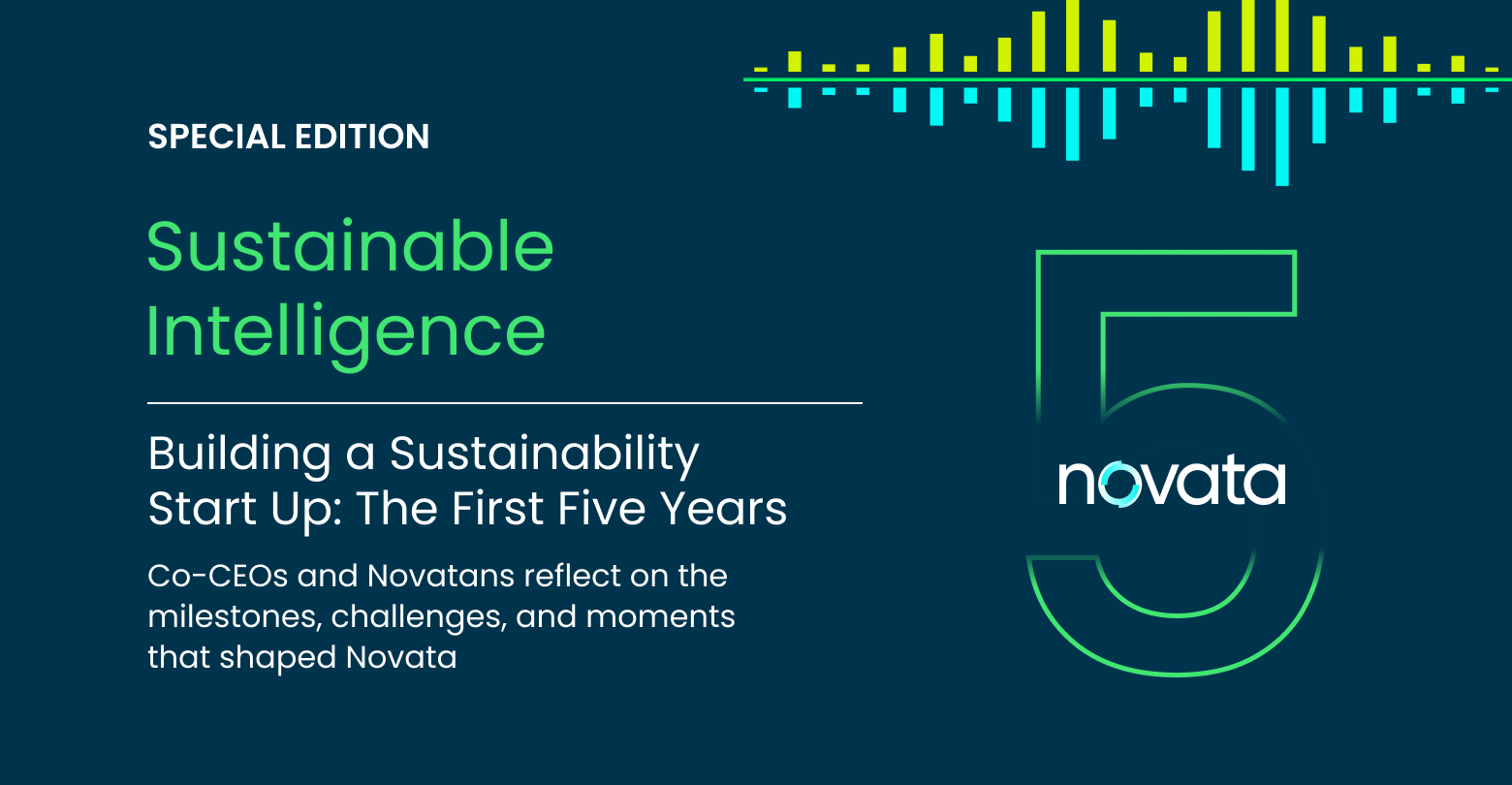
The Sustainability Startup Reality: 5-Year Reflection from Novata
- What Happened: Novata's co-CEOs reflected on five years of building a sustainability-focused company. The episode wasn't a failure narrative—it was an honest accounting of what actually works in a capital-intensive, mission-driven space. Scaling ESG infrastructure requires patience, conviction, and willingness to educate markets that don't yet have incentives to care about sustainability metrics.
- What They Learned: Mission-driven startups operate on different timelines. The urgency and quarterly mindset of growth-at-all-costs startups doesn't translate to sustainability and impact spaces. Founders in these sectors should expect longer sales cycles, slower TAM expansion, and the constant challenge of educating buyers. The flip side: loyalty and switching costs are higher once customers adopt.
Startup Instincts at Scale: When Founder Reflexes Become Liabilities
- What Went Wrong: Forbes highlighted "the skateboarder's trap"—when founders' early instincts (move fast, break things, trust gut) become liabilities as the company scales. What made a founder successful at $1M revenue often undermines success at $10M. The risk: founders who can't or won't adapt their decision-making approach to match the company's complexity.
- What They'd Do Differently: Founders who scaled successfully recognized that delegation, process, and patience become features, not bugs. The hardest pivot isn't the product pivot—it's the leadership pivot. Founders who made this transition consciously (rather than having it forced on them by board pressure) fared better.
Patterns & Insights
Pattern 1: The PMF Illusion is the New Founder Killer Product Hunt rankings, viral loops, and early user enthusiasm are being mistaken for product-market fit at alarming rates. Grant Lee's experience at Gamma crystallizes this: founders are confusing activation metrics with retention and unit economics. The correction—rebuilding instead of scaling—costs time and runway that many startups don't have.
Pattern 2: Pre-Seed Valuations Are Decoupling from Reality (for Some Founders) The $300M pre-seed round highlights a two-tier market: founders with DeepMind/Apple/Google pedigree can raise at massive valuations on conviction alone. Everyone else still needs to show traction. This creates a hidden tax on non-elite founders and may be accelerating the "rich get richer" dynamic in venture.
Pattern 3: Pivoting is No Longer Binary Hoxton Mix didn't shut down and restart—they pivoted their existing asset base (team, technology, relationships) into a new market. This suggests that the best pivots aren't desperate course-corrections; they're strategic redeployments of sunk advantages. Founders who can identify these hidden assets early have optionality.
Pattern 4: Founder Skill Transitions Are Underestimated Multiple stories this week (Bobbi Brown's reflection, the "skateboarder's trap" article) highlight the same lesson: the skills that build a company to $5M don't scale to $50M. Founders who succeed at both stages are statistical outliers. This should inform hiring, board composition, and succession planning earlier than most founders think about it.
Founder Toolkit: This Week's Best Advice
-
Distinguish Product Hunt Hype from Product-Market Fit with One Question: Can your early users live without you, or are they just trying you? Real PMF means customers would be genuinely upset if you shut down tomorrow. If you can't answer that confidently, rebuild before you scale. Grant Lee's lesson at Gamma cost them time but saved them from the cliff.
-
Map Your Hidden Assets When Pivoting: Before you kill the company, ask: what did we actually build that has value beyond the original vision? Hoxton Mix's team, technology, and customer relationships didn't become worthless when the virtual office market declined—they became assets for a new game. Pivots succeed when you redeploy sunk advantages, not when you start from scratch.
-
Hire for the Company You're Building, Not the One You Have: As you scale, your team's constraints become your constraints. Recognize early that early-stage hiring (speed, versatility, ambiguity tolerance) looks very different from scaling-stage hiring (process discipline, domain expertise, political navigation). Start transitioning before it becomes a crisis.
-
Track Unit Economics in Parallel with Growth Metrics: Pre-seed hype and growth curves are seductive. But founders who won, across all stories this week, obsess over CAC, LTV, and payback period. These metrics reveal whether you're building a business or a user acquisition machine. Make them equally visible as your north star metric.
-
Build a Credibility Narrative While You Still Have Time: The pre-seed founders raising at $300M are doing so because they've built a narrative over years (DeepMind, Apple, previous exits). This narrative compounds. If you're early-career, start building yours now—through writing, speaking, open-source contributions, or domain expertise. When you need to raise without a product, that credibility will be your only collateral.
What to Watch Next
- TechCrunch Disrupt 2026: The Builders Stage continues to surface the most practical founder advice at scale. Watch for sessions on go-to-market strategy, hiring, and the PMF-to-scale transition.
- SaaStr Annual 2026: Expected to feature more in-depth profiles of founders who hit $100M ARR—the sample size is growing, and patterns are emerging on what actually works at scale.
- The Sustainability Startup Category: Novata's transparency about multi-year timelines may signal a broader conversation about mission-driven fundraising and the metrics that matter in ESG-focused startups.
- Two-Tier Funding Markets: Watch whether the $300M pre-seed phenomenon accelerates (creating an even wider founder inequality gap) or faces corrections as investor returns on these early-stage bets come due.
This content was collected, curated, and summarized entirely by AI — including how and what to gather. It may contain inaccuracies. Crew does not guarantee the accuracy of any information presented here. Always verify facts on your own before acting on them. Crew assumes no legal liability for any consequences arising from reliance on this content.
Powered by
