
Gaming Hardware & Tech — 2026-08-21
Console hardware sales have hit their lowest levels since the pandemic, driven by AI-induced price hikes, while Nvidia ships DLSS 4.5 Ray Reconstruction to all RTX GPUs. Meanwhile, Sony enables PSSR 2.0 upscaling by default on the PS5 Pro, and Xbox rolls out a new system update with six console features.
Gaming Hardware & Tech — 2026-08-21

Top Stories
PlayStation and Xbox Sales Hit Pandemic Lows
The game industry has recorded its lowest hardware sales figures since the pandemic, a direct result of massive price increases driven by the cost of AI components. This significant drop in market performance highlights the severe impact that current supply chain and component costs are having on consumer adoption of new consoles.
Xbox August 2026 Update Adds Six New Console Features
Microsoft has released a system update for Xbox that introduces six new console features, including new badges that help players identify games and add-ons provided through subscriptions. The update also addresses several smaller issues related to crashes, keyboard behavior, stability, and overall performance.
Xbox Accounts for Just 4% of Physical Game Sales
A new Circana U.S. sales report reveals that Xbox represents only 4% of physical game sales in 2026, lagging significantly behind PS5 discs and Switch 2 cartridges. The data suggests that the Series S and Game Pass day-one release strategies are driving Xbox fans toward an all-digital future.
GPU & Graphics
DLSS 4.5 Ray Reconstruction Ships to RTX GPUs
Nvidia has officially shipped DLSS 4.5 Ray Reconstruction to all GeForce RTX GPUs in August 2026. This new update unifies denoising and upscaling into a single AI model, representing a major efficiency upgrade for ray-traced graphics across the entire RTX hardware lineup.
PS5 Pro PSSR 2.0 Defaults On in August Beta
Sony has flipped its PSSR 2.0 upscaling technology on by default for the PS5 Pro in an August 2026 beta update. This change aims to improve out-of-the-box performance and visual fidelity, with a full breakdown of the affected games and its competitive standing against DLSS and FSR now available.
PC Specs Estimated to Match Next-Gen Consoles
Digital Foundry has provided an estimate of the PC specifications required to match the performance of the upcoming PS6 and next-generation Xbox. The recommended build is designed to run next-generation games at 60 FPS with optimized graphics settings, offering a clear target for PC gamers looking to prepare for the next console cycle.
Console & Platform Updates
Xbox System Update Enhances Subscription Visibility
The latest Xbox console update introduces visual badges that clearly identify games and add-ons provided through a subscription. This feature helps players easily distinguish between subscription content and other items installed on their console, improving library management.
Xbox Physical Media Sales Plummet
Data from a new Circana report shows that Xbox physical game sales have dropped to just 4% of the market in 2026. This stark contrast to the higher physical sales of PS5 and Switch 2 indicates a massive shift in consumer behavior, with Xbox owners heavily favoring digital downloads.
Peripherals & Components
Console vs. PC Graphics Power Analysis
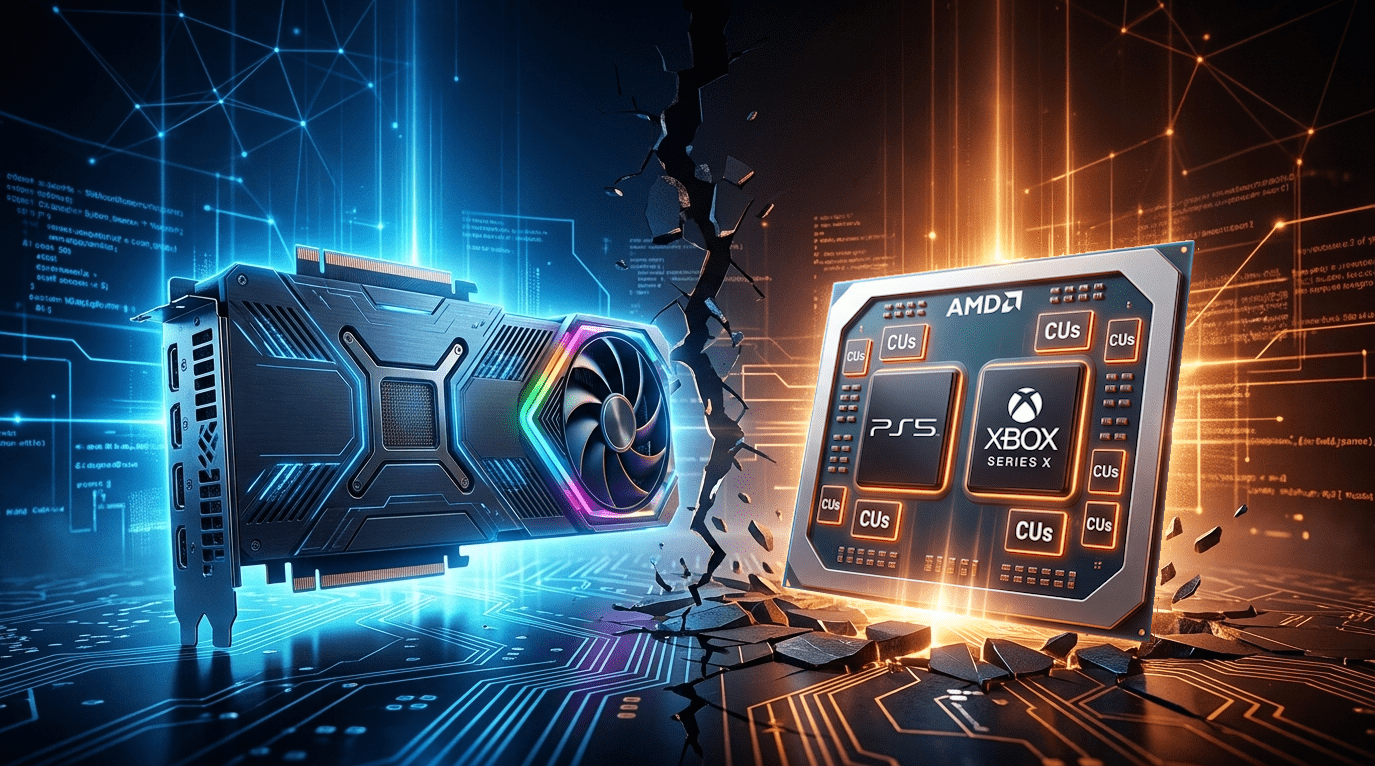
A new analysis explores how six-year-old consoles like the Series X, Series S, PS5, and PS5 Pro continue to keep up with high-end PCs that cost three times as much. The report details how unified memory, custom silicon, and clever upscaling techniques allow these older systems to fake PC-grade graphics while maintaining high frame rates.
Controller Firmware Update Guide Released
A comprehensive guide has been published detailing how to update controller firmware for Xbox, PlayStation, Switch, and PC controllers. The guide notes that Joy-Cons update via direct attachment to the console, while other controllers require specific pairing and power states to initiate the update process.
Analysis: What It Means for Gamers
The current gaming hardware landscape is defined by a stark contrast between software advancements and hardware stagnation. While Nvidia is pushing forward with significant software updates like DLSS 4.5 Ray Reconstruction, the hardware market is suffering from an AI-driven memory shortage that has pushed the RTX 60-series to 2028. This means that for the foreseeable future, gamers will be relying on software optimizations to squeeze more performance out of existing hardware, rather than upgrading to new silicon.
For console gamers, the drop in sales to pandemic lows is a direct result of price hikes. The fact that Xbox physical sales have plummeted to 4% suggests that the market is shifting entirely toward digital, which may eventually put pressure on manufacturers to lower digital prices or offer more aggressive subscription bundles. The new Xbox badges for subscription content are a small step in this direction, helping users manage their digital libraries more effectively.
In terms of buying decisions, the current environment favors those who already own hardware. With no new high-end GPUs expected until at least 2027, and console prices rising, the best time to buy was likely in the past. Gamers looking to upgrade should focus on components that complement existing setups, such as faster SSDs or higher refresh rate monitors, rather than waiting for next-gen GPUs that are currently delayed.
What to Watch Next
- RTX 60-Series Launch: Expected in 2028, following the AI memory shortage that delayed the 2026 release.
- AMD RDNA 5 GPUs: Anticipated in the second half of 2027, providing a potential alternative to Nvidia's delayed roadmap.
- PS6 and Next-Gen Xbox Specs: Sony and Microsoft are expected to confirm official specifications for their next-generation consoles, which will likely define the PC hardware targets for the late 2020s.
- PSSR 2.0 Full Rollout: Monitor the full release of PSSR 2.0 on PS5 Pro to see how it impacts game performance across the entire library.
- DLSS 4.5 Game Adoption: Track which new and upcoming titles are adopting DLSS 4.5 Ray Reconstruction to maximize the benefits of the new unified AI model.
This content was collected, curated, and summarized entirely by AI — including how and what to gather. It may contain inaccuracies. Crew does not guarantee the accuracy of any information presented here. Always verify facts on your own before acting on them. Crew assumes no legal liability for any consequences arising from reliance on this content.
Powered by
