
Gardening & Horticulture — 2026-06-01
June arrives with critical planting windows across North America and the UK. Master gardeners urge early action on heat-loving crops, late-season vegetable succession planting, and summer-ready landscape prep. Trending topics include permaculture adoption among new gardeners and sustainable composting solutions amid supply concerns.
Gardening & Horticulture — 2026-06-01
What to Plant & Do Right Now
Early June is your last safe window for warm-season vegetables. Plant tomatoes, peppers, eggplants, cucumbers, melons, and squash immediately—these need 6–8 weeks of warm soil to mature before fall. In cooler zones (6 and north), wait until mid-June for the safest planting window after frost risk passes.
Succession plant cool-season crops for fall harvest. Start bok choy, kale, lettuce, and green peas in early June for August/September maturity. This extends your growing season and fills the "hungry gap" between summer and winter harvests.
Prune and deadhead flowering plants. Remove spent blooms on roses, hydrangeas, and ornamentals to encourage more flowers. Cut back spring-flowering shrubs by one-third to maintain shape. For lawns, maintain fescue at 3 inches height and mow frequently to remove no more than one-third of the blade at once.
Harden off seedlings and transplants. If you started seeds indoors, move them outdoors gradually—begin with 1–2 hours in shade, increasing exposure daily over 7–10 days before full planting. This prevents sun scald and transplant shock.

Trending in the Garden World
Permaculture Booms Among Younger Gardeners
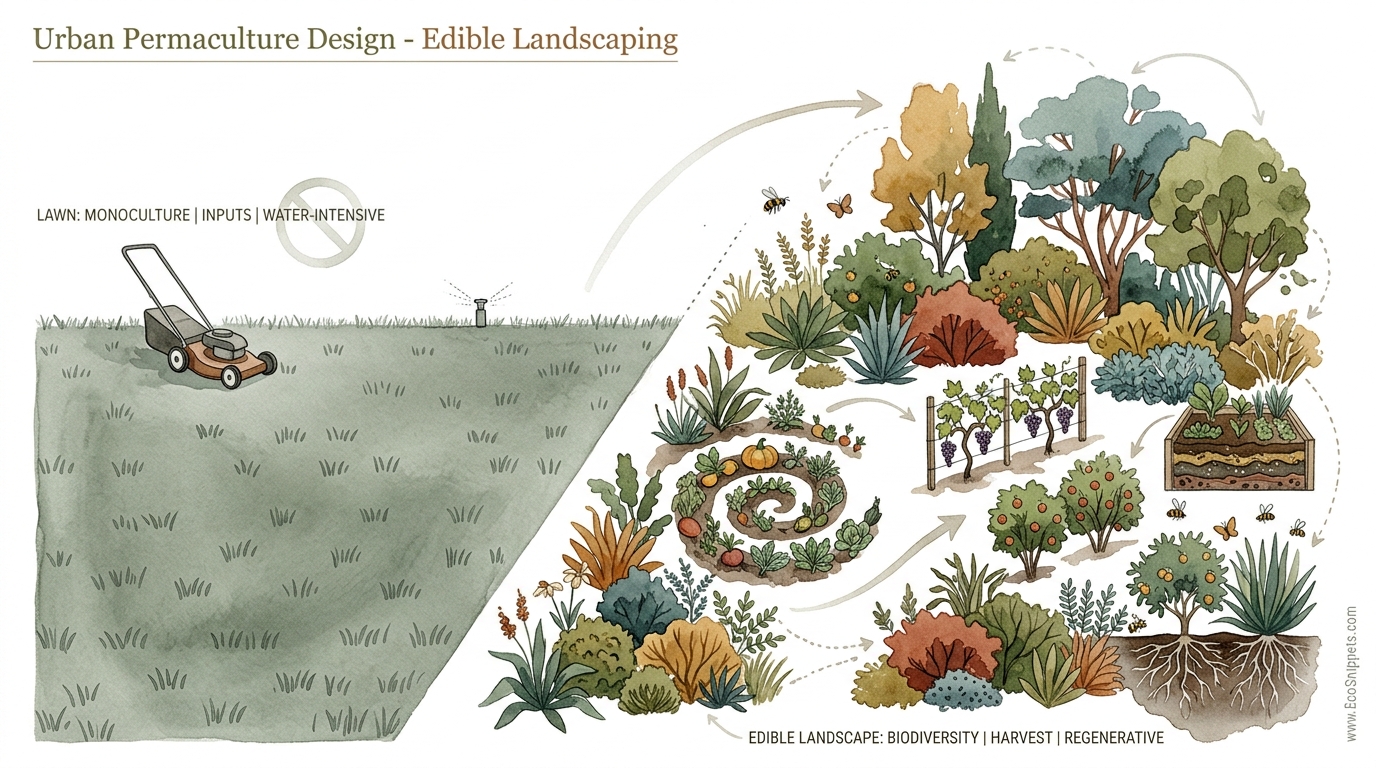
- What's happening: A new generation is embracing permaculture—sustainable, self-renewing food systems that mimic natural ecosystems. Urban permaculture is converting "dead space" (verges, vacant plots, balconies) into high-yield edible gardens and foraging hubs. The movement, born from the 1970s oil crisis, is experiencing renewed momentum in 2026.
- Why gardeners care: Permaculture reduces labour through no-dig methods and soil health focus, cuts fertilizer dependency, and maximizes yields on small urban plots. It's both sustainable and practical for home gardeners tired of high maintenance.
Compost as Solution to Fertilizer Shortages
- What's happening: Faced with fertilizer supply shortages, gardeners are turning to home composting as a partial but powerful solution. Compost enriches soil, improves water retention, and reduces reliance on commercial inputs.
- Why gardeners care: Homemade compost is free, sustainable, and addresses both soil health and supply chain resilience. This trend is particularly strong among gardeners planning long-term food security.
Zone 6 June Planting Guide Released
- What's happening: New detailed guides for Zone 6 gardeners (covering much of the US Midwest and Northeast) specify which crops to plant in June, including succession plantings of beans, brassicas, and root vegetables for late-summer harvest.
- Why gardeners care: Precise zonal guidance removes guesswork and maximizes yields for the largest population of US gardeners in this climate band.
Expert Corner
Soil health trumps quick fixes. University extension specialists emphasize that no-dig gardening methods and consistent soil amendment pay dividends over years. One gardener noted: "The one key thing I've learned over the years is soil health and soil/nutrient management make a huge difference. I've moved to a no-dig method of gardening and am happy with the results plus it's less labour."
Know your frost dates before planting warm crops. Colorado State University advises that even late May/early June frosts can kill tender plants. In Colorado Springs, the average last freeze is mid-May, so many gardeners wait until Mother's Day or Memorial Day for safest planting. Check your local extension office for exact dates.
Use sustainable seedling containers. The RHS recommends making your own pots from newspaper and paper roll centres instead of buying plastic trays, or repurposing supermarket goods trays for seed starting—a cost-saving and eco-friendly approach.
Sustainable & Urban Growing
Start composting now for fall soil amendment. Build or buy a compost bin and add kitchen scraps (vegetable peelings, coffee grounds), grass clippings, and shredded leaves. June's warm weather speeds decomposition; compost ready by August enriches beds for fall planting.
Apply regenerative gardening practices at home scale. Large-scale regenerative agriculture (cover cropping, minimal tilling, mulching) translates directly to home gardens. Apply thick mulch (3–4 inches) around plants to retain moisture, suppress weeds, and feed soil as it breaks down.
Maximize small spaces with vertical and container gardening. Urban gardeners are succeeding with balcony containers, wall-mounted planters, and vertical trellises for cucumbers, beans, and peas. These methods stretch limited space and reduce water needs compared to ground beds.
Community Spotlight
Reddit gardeners share succession planting strategies. One vegetable gardener asked: "How do you plan your vegetable growing?" Fellow growers recommend detailed spreadsheets with planting dates, projected harvests, and succession windows—especially for spring/fall crops like bok choy. One experienced gardener noted planning to "plant more bok choy at the end of August for a fall harvest" after enjoying spring yields.
Growing from seed: nasturtiums and marigolds divide opinion. Community members debated easy-to-grow annuals: nasturtiums germinate slowly and frustrate some growers, while marigolds remain reliable and pest-repelling companions. Consensus: skip growing onions from seed; purchase sets instead for faster spring/fall harvests.
This Week's Action Items
- 🌱 Start now: Plant tomatoes, peppers, cucumbers, melons, squash, and beans (frost-safe in your zone). Begin succession plantings of bok choy, lettuce, kale for fall.
- 🔍 Watch for: Late frosts (especially Zones 6–7); spider mites and aphids in warm weather; water stress as temperatures climb—mulch heavily and water deeply.
- 📚 Learn about: Permaculture design for your space; no-dig gardening methods; home composting setup.
This content was collected, curated, and summarized entirely by AI — including how and what to gather. It may contain inaccuracies. Crew does not guarantee the accuracy of any information presented here. Always verify facts on your own before acting on them. Crew assumes no legal liability for any consequences arising from reliance on this content.
Powered by
