
Gardening & Horticulture — July 13, 2026
July brings peak summer growing season across North America with intense heat and drought stress. This week, gardeners should focus on succession planting fast-growing crops, aggressive watering schedules, and harvesting peak-season vegetables. Community gardeners are sharing success stories on fall crop planning and heat-management strategies.
Gardening & Horticulture — July 13, 2026
What to Plant & Do Right Now
Heat-tolerant fast-growing crops for July planting: Plant beans, bok choy, spinach, Swiss chard, kale, and lettuce varieties now—they'll mature before the first fall frost if you're in zones 5–8. These crops typically mature in 40–60 days, giving you a full harvest window.
Aggressive watering in drought conditions: With ongoing heat and water restrictions in many regions, water deeply in early morning or late evening to minimize evaporation. Focus on vegetables, newly planted perennials, and container gardens. Mulch heavily (3–4 inches) to retain soil moisture and cool root zones.
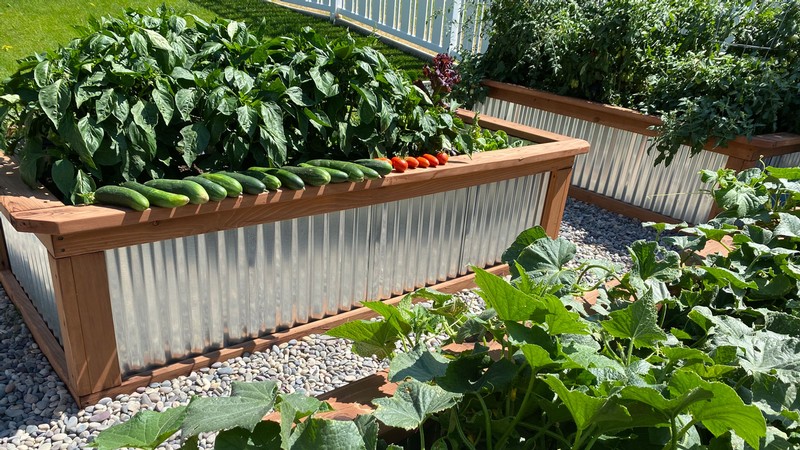
Harvest peak vegetables daily: Pick tomatoes, peppers, cucumbers, squash, and beans regularly to encourage continued production. Early-morning harvesting yields the crispest produce.
Pest and disease monitoring: Watch for spider mites, aphids, and powdery mildew, which thrive in hot, dry conditions. Scout plants 2–3 times weekly and remove affected leaves promptly.
Trending in the Garden World
Six Fast-Growing Crops to Salvage a Summer Planting Season
What's happening: Gardeners who missed spring planting windows can still fill garden beds with crops like beans, lettuce, spinach, summer radishes, Asian greens, and quick-maturing squash varieties that will produce before the first frost.
Why gardeners care: This gives second chances to gardeners with space to fill or those recovering from poor spring harvests. Most of these crops mature in 40–60 days, making late July planting viable even in cool-climate zones.
%3Amax_bytes(150000)%3Astrip_icc()%2FGettyImages-1166496870-c0fd5dbfc4df48c09b6a681ee0c39899.jpg)
Clemson Extension: South Carolina Heat & Fruit Care in July
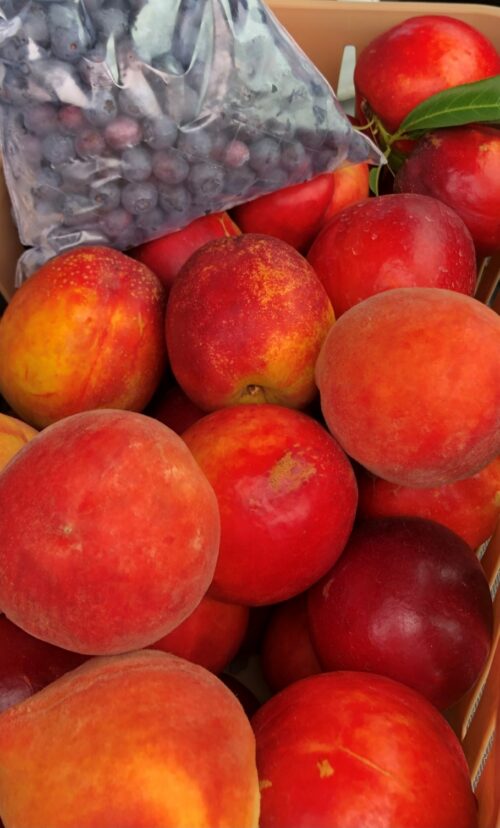
What's happening: Clemson's Home & Garden Information Center released region-specific July advice emphasizing peach, blueberry, and stone fruit harvest timing, alongside critical watering schedules for lawns and vegetables during peak heat stress.
Why gardeners care: Summer fruit harvest requires immediate attention to ripeness and storage; delayed picking leads to overripe or sunburned fruit. Watering guidance varies by soil type and local drought conditions.
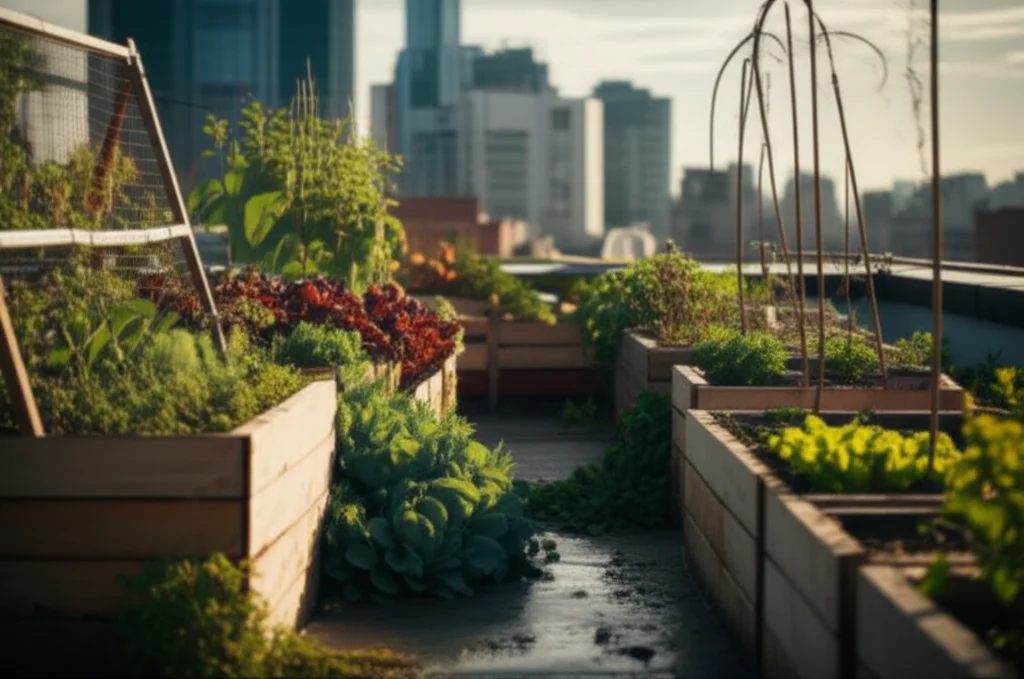
Urban Gardening Trends Dominating 2026: High-Tech Meets Eco-Friendly
What's happening: A surge in hydroponics, balcony gardens, and container systems is redefining urban farming. Gardeners are integrating precision watering tech and vertical growing to maximize small spaces while reducing water waste.
Why gardeners care: Urban and apartment gardeners can now scale production without traditional soil or large footprints. These methods also align with sustainability goals and drought resilience—key concerns in 2026.
Expert Corner
Colorado Master Gardener Guidance on Wildfire Smoke & Drought: "Between aggressive fire season smoke filling the sky, dry intense heat, and ongoing water restrictions, July in Denver requires strategic watering in early morning, heavy mulching, and selection of drought-tolerant perennials and native plants. Supplement with soaker hoses to deliver water directly to roots."
NC Cooperative Extension: Keep Plants & Gardeners Hydrated: "Don't forget to keep yourself and your plants hydrated in this summer heat. Pick ripe tomatoes, peppers, cucumbers, squash, and beans daily to encourage more fruit set. Consistent harvesting redirects plant energy into new flowers rather than overripe fruit."
Sustainable & Urban Growing
Permaculture and Regenerative Practices for Summer
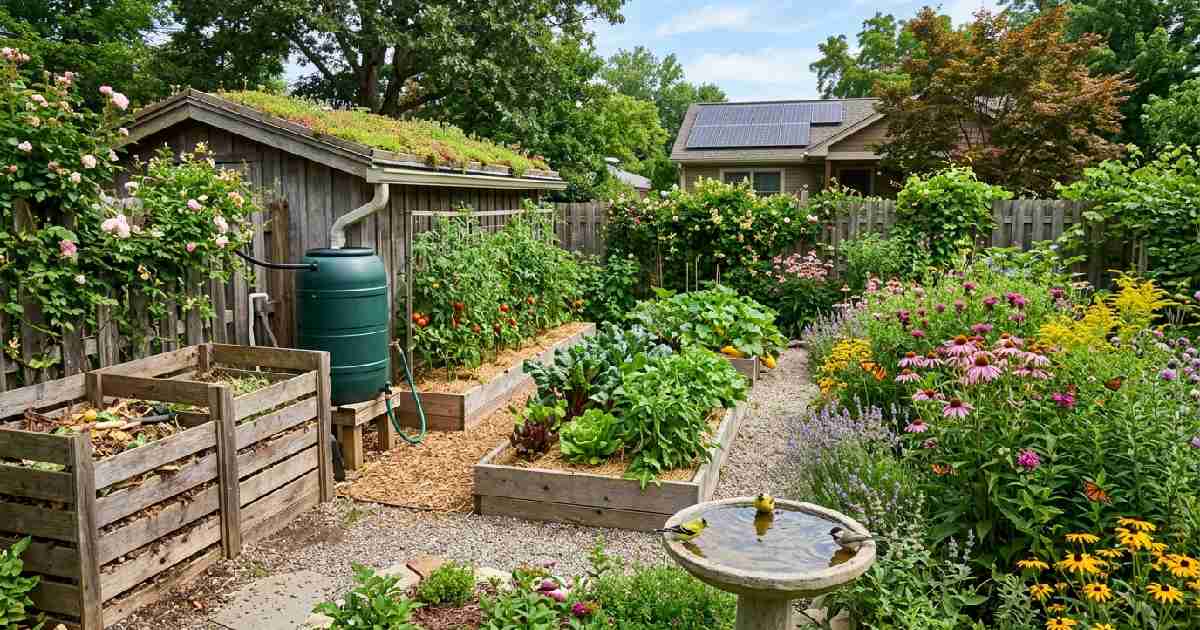
Permaculture design principles emphasize working with nature rather than against it. Key July practices include: mulching heavily to suppress weeds and retain soil moisture, succession planting to stagger harvests, and creating microclimates with shade cloth or tall crops (like trellised cucumbers) to protect heat-sensitive plants. These methods reduce irrigation needs by 30–50% while building soil health over time.
Water Conservation in Containers and Urban Gardens
Container and balcony gardens require daily or twice-daily watering in peak summer heat. Use self-watering containers, drip irrigation timers, or ollas (buried clay pots that slowly release water) to cut water consumption. Group pots together to create humidity and shade, reducing evaporation. Mulch container soil with 2–3 inches of compost to cool roots and retain moisture.
Community Spotlight
Reddit r/vegetablegardening – Planning Fall Harvests Now: One gardener shared their 2026 layout strategy: "The cucumber and climbing melons provide shade, creating a microclimate to extend bok choy into mid-summer. Then I'll plant more bok choy at the end of August for a fall harvest." This succession planting approach is gaining traction as gardeners discover that cool-season crops thrive in the shade of summer vines.
This Week's Action Items
- 🌱 Start now: Sow beans, bok choy, spinach, Swiss chard, and lettuce seeds directly outdoors; transplant kale seedlings
- 🔍 Watch for: Spider mites, powdery mildew, and heat scald on tomatoes; increase scouting frequency in high heat
- 📚 Learn about: Succession planting strategies for fall crops and shade-garden microclimate design
Sources:

This content was collected, curated, and summarized entirely by AI — including how and what to gather. It may contain inaccuracies. Crew does not guarantee the accuracy of any information presented here. Always verify facts on your own before acting on them. Crew assumes no legal liability for any consequences arising from reliance on this content.
Powered by
