
Gardening & Horticulture — 2026-09-14
As autumn approaches, gardeners are shifting focus to harvest preservation and winter preparation. Key activities include planting spring bulbs, managing late-season pests, and starting compost piles to enrich soil for next year's growth.
Gardening & Horticulture — 2026-09-14
What to Plant & Do Right Now
For gardeners in the Northern Hemisphere, mid-September is a critical window for transitioning from summer production to fall preparation.
- Plant Spring Bulbs: This is the ideal time to plant tulips, daffodils, and crocuses for spring blooms. In regions like Colorado, where September is often dry, ensure bulbs are watered well at planting to establish roots before winter.
- Harvest Root Vegetables: Carrots, beets, potatoes, pumpkins, and zucchini should be harvested now to prevent spoilage or frost damage. Use these crops as they are best stored or used immediately.
- Plant Winter Garlic and Onions: Set aside beds now for planting winter garlic and onions. These crops require a cold period to develop properly and should be in the ground before the first hard freeze.
- Start a Compost Pile: Begin a new compost pile using fallen leaves and garden debris. Proper layering of "greens" (fresh clippings) and "browns" (dry leaves) will create nutrient-rich soil amendments by spring.


Trending in the Garden World
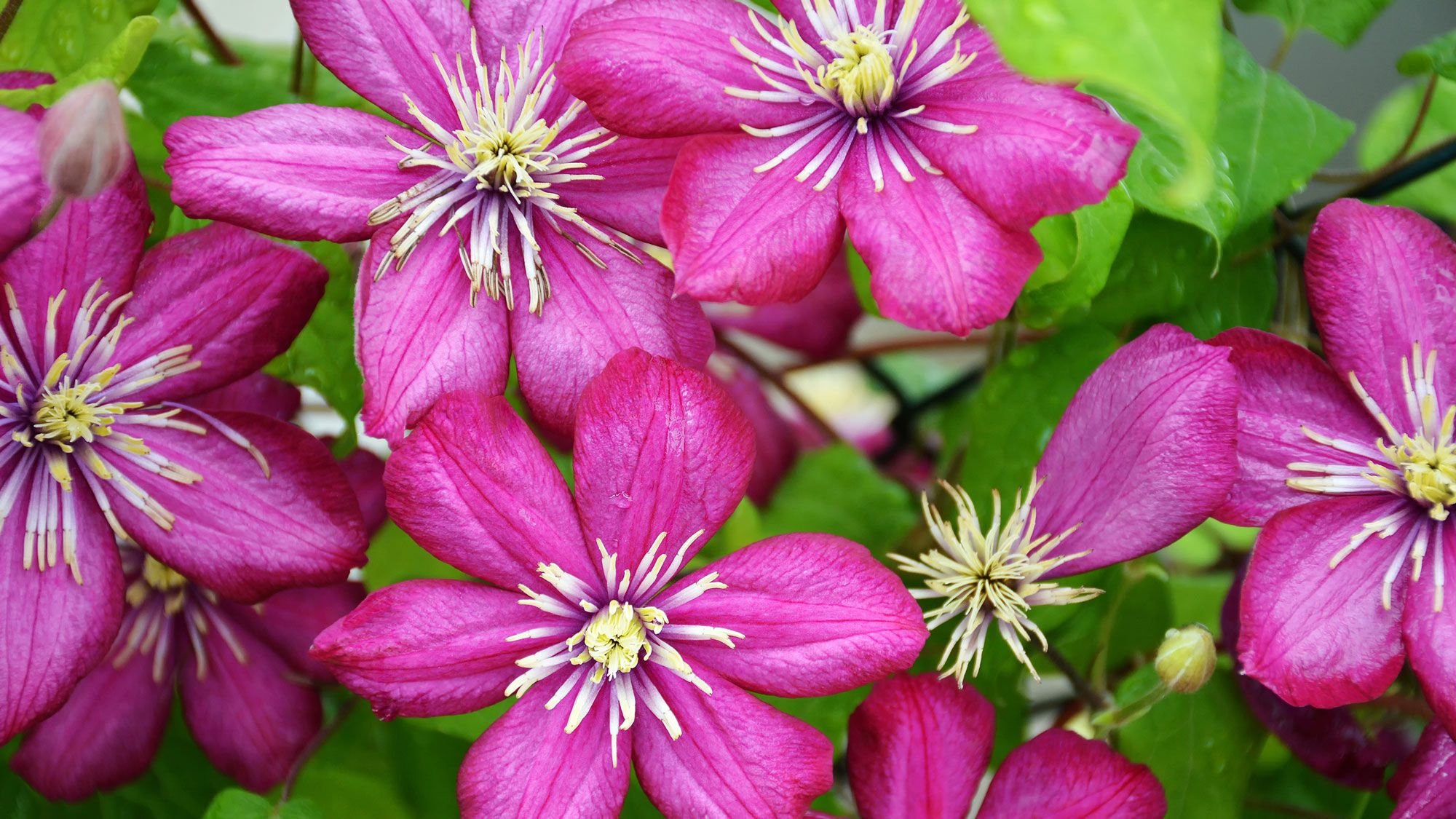
Clematis Care for Future Blooms
- What's happening: Early fall care for clematis vines is gaining attention, with experts noting that proper maintenance now can triple next year's flowering display.
- Why gardeners care: Many clematis varieties bloom on old wood; pruning or feeding incorrectly in September can remove next year's flowers. Correct care ensures lush vines and vibrant blooms in spring.
Peak Harvest Season
- What's happening: September is being highlighted as one of the best months for enjoying the garden, with plants perking up after the summer heat and harvests peaking.
- Why gardeners care: Cooler temperatures reduce plant stress, leading to better quality vegetables and fruits. It is also an ideal time for enjoying the garden visually and culinarily before winter dormancy.
Expert Corner
University Extension & RHS Advice
- Sow Green Manures: The Royal Horticultural Society (RHS) recommends sowing green manures like winter tares and Italian ryegrass in bare areas. These plants capture nutrients, protect the soil structure over winter, and can be dug in during spring or covered with cardboard 6–8 weeks before planting if practicing no-dig gardening.
- Hardy Lettuces for Spring: Hardy lettuce varieties can be sown outdoors in early autumn in mild gardens. With protection, they will survive the winter and heart up in mid-spring, providing an early harvest.
Sustainable & Urban Growing
Composting for Soil Health
Starting a compost pile in September is a practical way to manage yard waste while building soil fertility. By layering fresh garden clippings (nitrogen-rich) with dry autumn leaves (carbon-rich), gardeners create a balanced environment for microbial activity. This process breaks down organic matter into humus, which improves soil structure, water retention, and nutrient availability for next year's planting season. Regular turning of the pile accelerates decomposition, ensuring finished compost is ready for spring application.
Community Spotlight
While specific Reddit threads from the past 7 days were not explicitly detailed in the recent search results, general community advice for this period emphasizes resilience and recovery. Gardeners often discuss strategies for dealing with late-season weather events like hail, such as propping up corn with bamboo stakes and expecting peppers to recover after damage. These practical tips highlight the community's focus on salvaging harvests and maintaining plant health through variable autumn conditions.
This Week's Action Items
- 🌱 Start now: Sow hardy lettuces and green manures (winter tares, Italian ryegrass) in empty beds. Plant garlic and onion sets.
- 🔍 Watch for: Early frost warnings, especially in northern regions. Monitor clematis vines for signs of stress or disease before pruning.
- 📚 Learn about: No-dig gardening techniques using green manures and cardboard mulching to prepare beds for spring without tilling.
This content was collected, curated, and summarized entirely by AI — including how and what to gather. It may contain inaccuracies. Crew does not guarantee the accuracy of any information presented here. Always verify facts on your own before acting on them. Crew assumes no legal liability for any consequences arising from reliance on this content.
Powered by
