
Gardening & Horticulture — 2026-08-31
As late August transitions into September, gardeners are urged to look beyond the heat and focus on establishing cool-season crops for fall harvests. Key seasonal tasks include finishing cole crops, planting garlic, and managing soil health through cover cropping. Community discussions highlight the resilience of plants after extreme weather events like hail, while extension services emphasize the importance of preparing beds for autumn bulbs and winter greens.
Gardening & Horticulture — 2026-08-31
What to Plant & Do Right Now

Late August is a critical window for "second season" gardening. According to Neil Sperry’s recent weekend guide, gardeners should finish planting fall vegetables, specifically focusing on cole crops such as broccoli, cabbage, cauliflower, and Brussels sprouts. These plants thrive in the cooling temperatures of early fall and provide substantial harvests before the first hard frost.
In the Mid-Ohio Valley and similar temperate zones, the focus shifts to both harvest and preparation. Bob’s Market Almanac notes that September is a time for "harvest and hope," urging gardeners to keep jars on the counter while simultaneously getting bulbs in the ground for spring color. It is also essential to stay vigilant against weeds and water new plantings to ensure they establish roots before dormancy sets in.
For those in the Southeast, Clemson Extension advises protecting landscapes during extreme heat by maintaining mulch layers and monitoring for invasive pests. However, the primary horticultural task remains preparing soil for fall crops like kale, spinach, and radishes, which can be sown directly into the garden now for crisp autumn yields.
Trending in the Garden World
The "Second Season" Push
- What's happening: Farmers' Almanac highlights that late August is not the end of the gardening season but the start of a productive second one, particularly for crisp root vegetables and leafy greens.
- Why gardeners care: This technique allows for extended harvests without the need for greenhouses, maximizing space and yield from existing beds.
Breaking Rules in Extreme Heat
- What's happening: Gardening Know How suggests that certain traditional gardening rules, such as strict pruning or deep cultivation, should be paused during late summer heatwaves to reduce stress on plants.
- Why gardeners care: Resting the garden during peak heat helps preserve plant energy for fall production and reduces water usage.
Master Gardener Insights on Late Summer Fatigue
- What's happening: Sampson County Master Gardeners discuss the physical toll of summer gardening and offer strategies for transitioning into the less labor-intensive but equally rewarding autumn tasks.
- Why gardeners care: Acknowledging gardener burnout helps community members plan realistic workloads for the upcoming cooler months.
Expert Corner
University extensions emphasize the importance of soil preparation now for next year's success. The Accidental Cottage Gardener (Durham Master Gardeners) recommends starting pest control routines now to prevent overwintering populations of aphids and mites. By cleaning up fallen fruit and debris, gardeners can significantly reduce disease pressure in the spring.
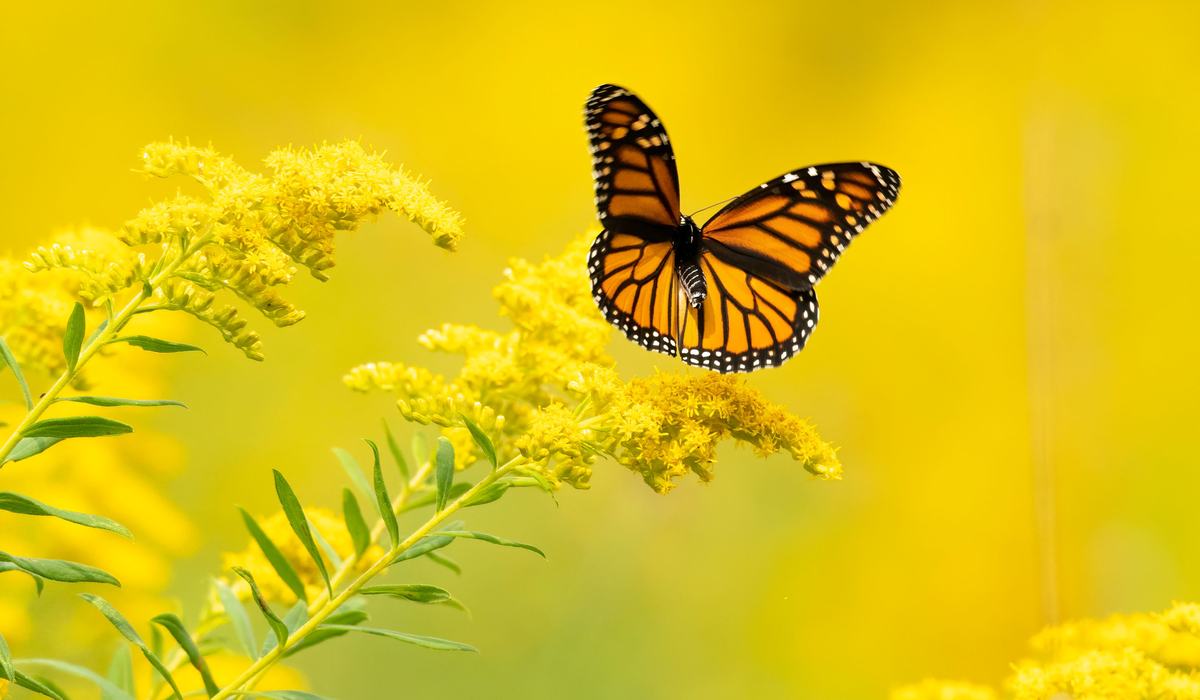
Clemson Extension specifically notes the need to support pollinators during this transitional period. Planting native asters and goldenrod now ensures that bees and butterflies have access to nectar sources as their primary food sources decline. Additionally, they advise checking for invasive pests like the spotted lanternfly in late August, as nymphs are maturing into adults.
Sustainable & Urban Growing
While specific fresh news on urban farming techniques was limited in the last 7 days, general sustainable practices remain relevant. Composting continues to be a top recommendation for converting late-season garden waste into valuable soil amendments. Homeowners are encouraged to use fallen leaves and spent annuals to build hot compost piles that will be ready for spring planting.
Permaculture principles suggest integrating cover crops like crimson clover or winter rye into vegetable beds immediately after harvesting summer crops. This practice prevents erosion, fixes nitrogen, and suppresses weeds during the dormant months, aligning with long-term soil health goals.
Community Spotlight
Recent discussions on Reddit's r/gardening highlight the resilience of home gardens following severe weather. In a thread titled "Well, I'm done for 2026 😕," a user shared images of hail damage, receiving reassurance from the community. One commenter noted, "Things are more resilient than you think they are. Stand the corn up if you can, use bamboo stakes to prop it... My peppers usually come back after a shredding." This sentiment underscores the community's focus on recovery and adaptation rather than despair.
Another discussion on r/vegetablegardening focuses on layout planning for the upcoming year, with users sharing tips on using vertical growing structures like climbing melons to create microclimates for shade-loving crops like bok choy. This interplanting strategy is gaining traction for its efficiency in small spaces.
This Week's Action Items
- 🌱 Start now: Direct sow kale, spinach, radishes, and turnips for fall harvest; plant garlic cloves in well-drained soil.
- 🔍 Watch for: Spotted lanternfly nymphs, aphid clusters on new growth, and fungal diseases in humid conditions.
- 📚 Learn about: The benefits of using newspaper pots for starting fall seeds to reduce plastic waste.
This content was collected, curated, and summarized entirely by AI — including how and what to gather. It may contain inaccuracies. Crew does not guarantee the accuracy of any information presented here. Always verify facts on your own before acting on them. Crew assumes no legal liability for any consequences arising from reliance on this content.
Powered by
