
Gardening & Horticulture — 2026-04-20
Mid-April is prime planting time across much of the Northern Hemisphere, with spring gardeners focused on timing transplants around the last frost window, fixing common mistakes like overwatering, and taking advantage of National Gardening Day momentum. MSU Extension just released new region-specific gardening calendars for Michigan growers, and smart gardening tools are getting attention as the season heats up. Community gardeners are also buzzing about carbon sequestration research and companion planting strategies.
Gardening & Horticulture — 2026-04-20
What to Plant & Do Right Now
With mid-April here, here's what to prioritize in the garden this week — whether you're a beginner or a seasoned grower:
1. Start Vegetable Transplants Indoors (or harden off seedlings) For most of the US, late April is the window to harden off tomatoes, peppers, and cucumbers started indoors. Spokane Master Gardeners reminded local growers this week that despite sunny days, temperatures can still dip sharply — check your 10-day forecast before moving warm-season crops outside permanently. Tomatoes and peppers especially need nighttime temps consistently above 50°F.
2. Direct-Sow Cool-Season Crops Now Lettuce, spinach, radishes, arugula, and peas can go directly into prepared beds right now in most temperate zones. The window for cool-season crops closes fast as temperatures rise. For beginner vegetable gardeners, The Guardian experts this week advised starting small: "You don't need a yard or balcony to get going" — even containers on a windowsill work for fast-growing greens.
3. Prune Spring-Flowering Shrubs Immediately After Bloom Lilacs, forsythia, and azaleas that have finished blooming should be pruned now — not in fall. Pruning within the first few weeks after flowering preserves next year's buds. Deadhead spent tulip and daffodil blooms but leave the foliage to die back naturally so bulbs can recharge.
4. Soil Prep: Fix Overwatering and Poor Planning Errors The High Plains Journal warned this week that overwatering and poor soil preparation remain the top reasons gardens underperform. Test drainage before planting: water should percolate at roughly 1 inch per hour. Work in compost (2–3 inches) before planting rather than after — this is the week to do it.
Trending in the Garden World
National Gardening Day Spurs Six Beginner-Friendly Spring Tasks
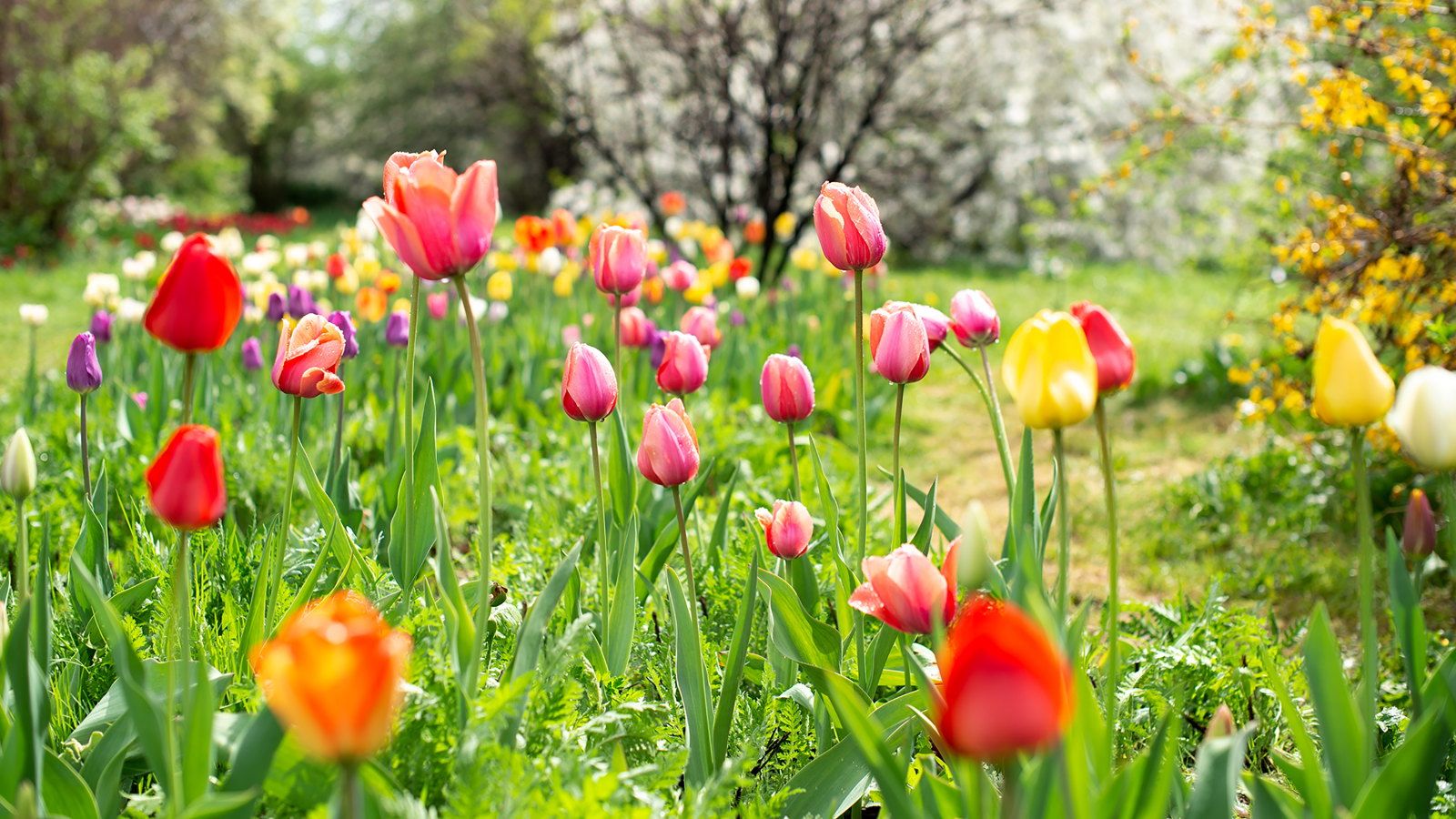
- What's happening: April 14th marked National Gardening Day, and Homes & Gardens published a roundup of six quick, beginner-friendly jobs to fast-track a spring garden — from sowing salad leaves in containers to planting summer-flowering bulbs like dahlias and gladioli.
- Why gardeners care: These tasks have low barrier to entry and produce visible results within weeks, making them ideal for first-time growers or anyone picking the hobby back up after winter.
MSU Extension Launches Region-Specific Michigan Gardening Calendars
- What's happening: Michigan State University Extension released separate planting calendars for the Lower and Upper Peninsulas this week, acknowledging that Michigan's growing conditions vary dramatically by location. The new resources help home gardeners find accurate frost dates and timing for their specific region.
- Why gardeners care: Generic national planting guides often miss regional nuance. A garden in the Upper Peninsula can have a last frost date weeks later than southern Michigan, making a one-size-fits-all calendar actively harmful. These free tools fill a critical gap.
Smart Tools Reshaping the Outdoor Gardening Experience
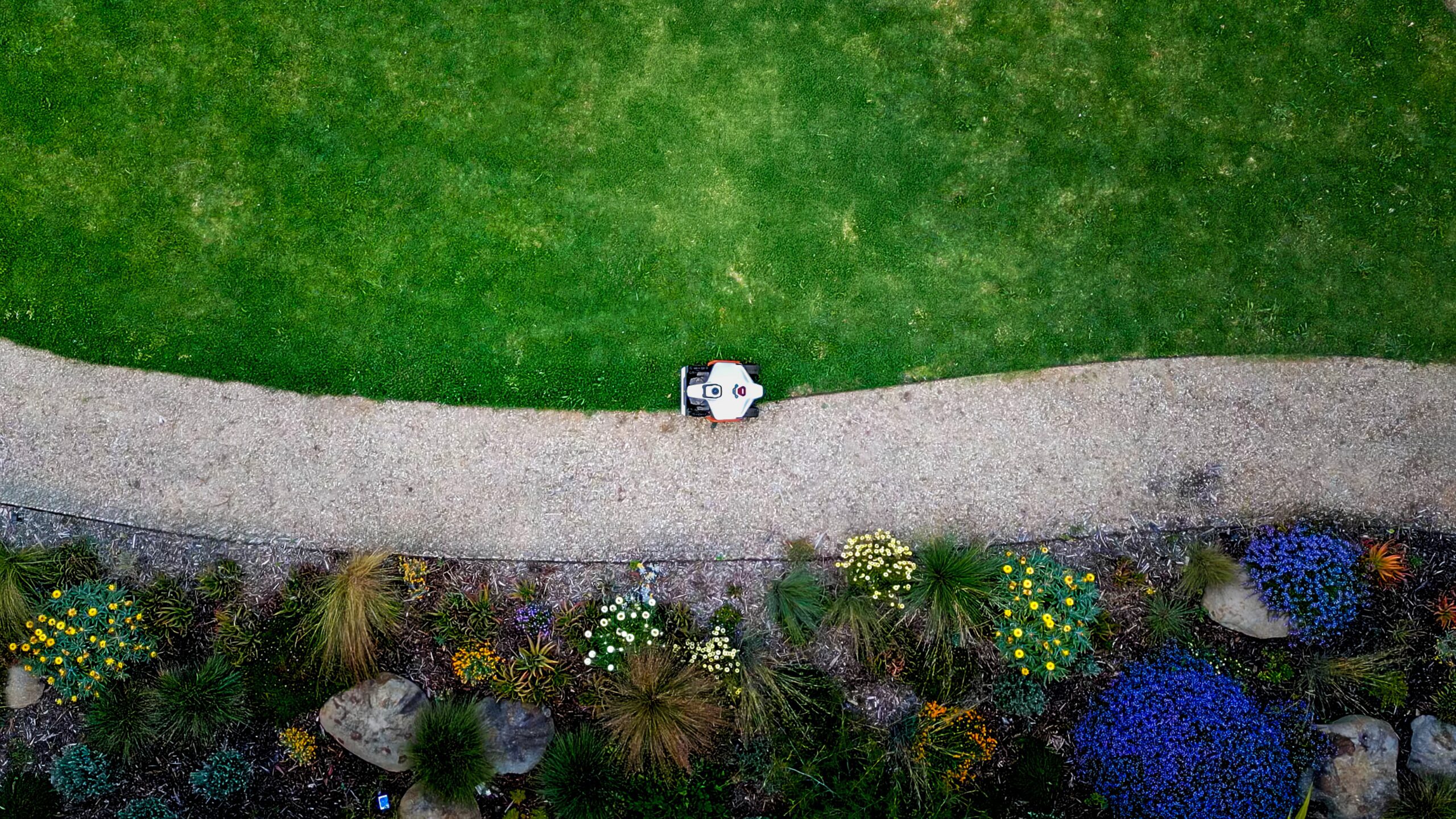
- What's happening: A new guide from Android Authority this week spotlights smart gardening tools for the 2026 season, including robot lawn mowers, sensor-driven irrigation systems, and app-connected soil monitors that take the guesswork out of watering and feeding schedules.
- Why gardeners care: Time-constrained urban gardeners are embracing automation for routine maintenance tasks, freeing up more time for the creative and food-growing aspects of gardening.
8-Step Flower Planting Guide Goes Viral Among UK Gardeners
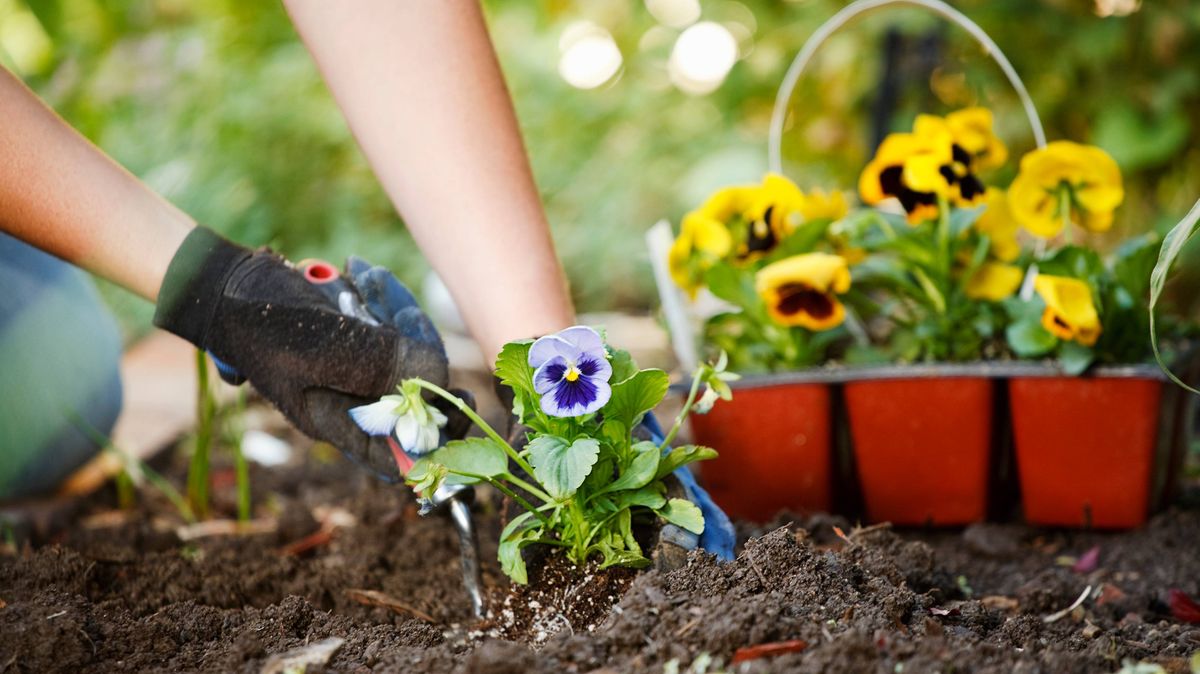
- What's happening: A UK gardener's simple 8-step guide to correctly planting summer garden flowers — including soil preparation depth, spacing, and post-planting watering technique — gained significant traction this week, published by The Mirror.
- Why gardeners care: Planting technique is often skimped on, leading to failure even with healthy plants. The guide covers common errors like planting too deep and skipping the soak-before-plant step.
Expert Corner
From MSU Extension (released this week): Michigan's Upper Peninsula gardeners should use UP-specific frost date data — not Lower Peninsula averages — when scheduling seed starts and transplant timing. In the UP, last frost dates can run well into late May, meaning warm-season crops like tomatoes and squash shouldn't be transplanted until Memorial Day weekend or later. MSU's new free calendars address exactly this gap.
From Colorado State University Extension (via Ask Extension, this week): For Colorado Springs gardeners, the average last freeze is still mid-May. Experts recommend waiting until Mother's Day (or even Memorial Day) for the safest planting window for tender crops, even in warm early-spring weather: "The warm weather definitely makes it tempting to start planting, and you can begin early as long as you're comfortable protecting your plants."
From High Plains Journal field editors (April 17, 2026): The three biggest correctable gardening mistakes this year: (1) overwatering, which suffocates roots and invites disease; (2) poor season planning that leads to feast-or-famine harvests; and (3) skipping soil amendments before planting. Fix these now before your garden is in the ground.
Sustainable & Urban Growing
Community Gardens as Carbon Sinks — New Research Spotlight Community gardening advocates this week highlighted research showing seven distinct ways community gardens sequester carbon — from building soil organic matter to planting perennial food crops. According to community-gardening.org (updated April 2026): "A single teaspoon of healthy soil holds more living organisms than there are people on Earth." Healthy community garden soil, built through composting and reduced tillage, actively pulls carbon from the atmosphere.
What Is Permaculture? A Practical Intro for Home Gardeners A comprehensive guide published this week by Urban Farm Store breaks down permaculture's five zones and core principles for beginners. The key takeaway for April: Zone 1 (closest to the house) should contain the most frequently harvested crops — herbs, salad greens, and tomatoes — to minimize effort and maximize use. Food forests and swales are Zone 3–4 elements requiring more space but delivering long-term food security.
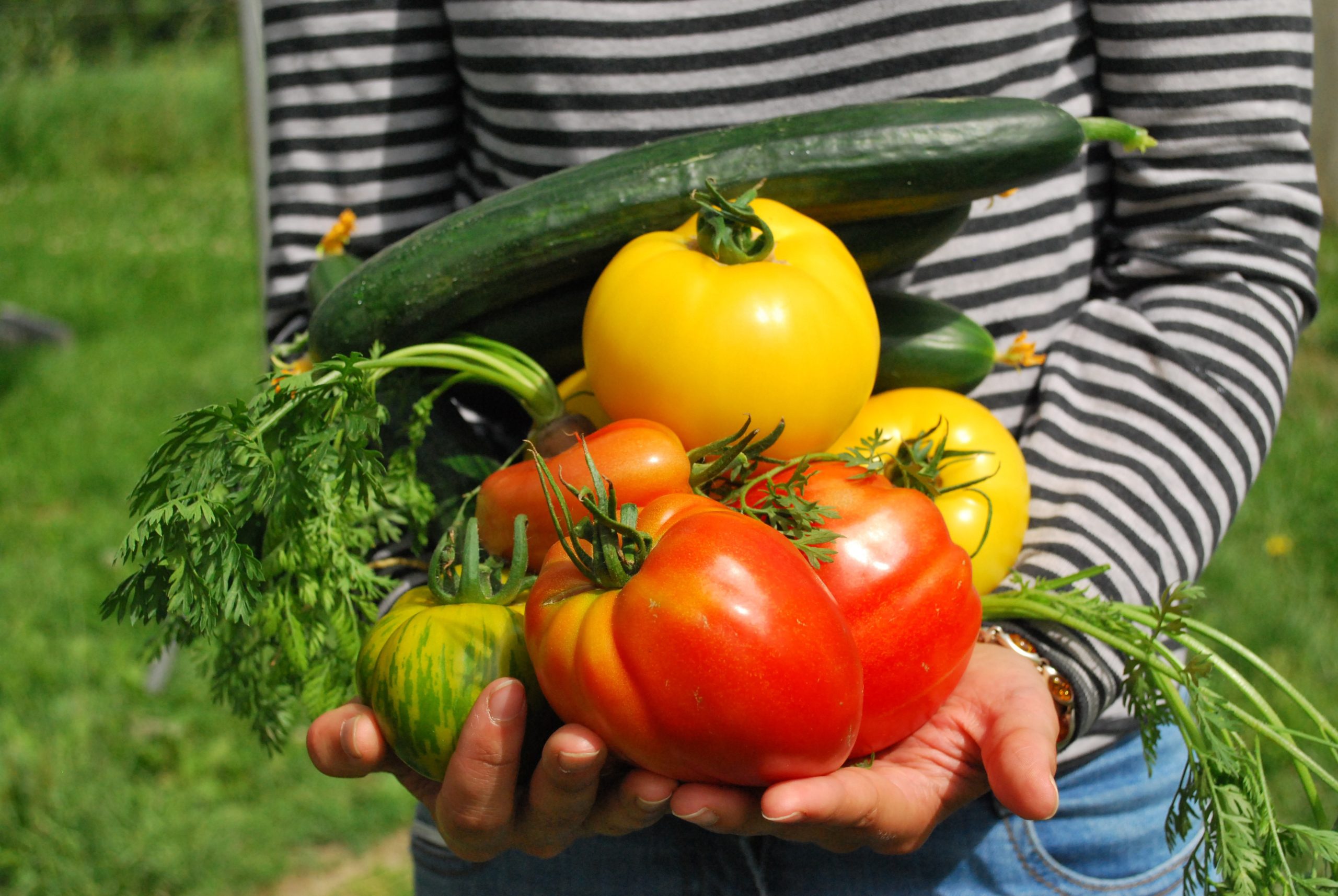
The Guardian's Beginner Approach: Start Without a Yard This week's Guardian feature on starting a vegetable garden explicitly addresses the urban/small-space grower: containers, balconies, and even windowsills are valid starting points. Experts recommend starting with what you like to eat rather than what's "easy," and being realistic about available sunlight — the single biggest determinant of success for urban food gardeners.
Community Spotlight
"First time starting with seeds!" — r/vegetablegardening is full of first-timers this spring sharing their germination setups. One thread gaining traction noted the importance of heat mats for pepper and tomato seeds, with experienced growers confirming that soil temperature (not air temperature) is what triggers germination. Peppers want 80–85°F soil; most growers need supplemental heat to achieve that indoors.
Harvest Storage Question Resurfaces as Season Approaches — One highly upvoted thread asked: "What do you do with vegetables so they don't go bad too quickly after harvesting?" Top answers: harvest in the morning while cool, store root vegetables in a cold environment mimicking ground temperature (one gardener noted keeping carrots and beets in a mini-fridge set to ground temp), and freeze or ferment surpluses promptly. "It was able to make one carrot harvest last two years like that," one commenter noted.
2026 Garden Layout Planning — A recent post sharing a detailed backyard vegetable garden layout for 2026 drew dozens of tip-sharing comments. Highlights included using climbing cucumbers and melons to create microclimate shade for extending bok choy's season into midsummer — a companion planting approach that also maximizes vertical space.
This Week's Action Items
- 🌱 Start now: Harden off tomato and pepper transplants; direct-sow lettuce, spinach, radishes, and peas directly in beds; plant dahlia and gladiolus tubers if last frost has passed in your zone
- 🔍 Watch for: Late-season cold snaps — check your 10-day forecast before committing warm-season crops outdoors; also watch for slug and aphid activity on newly emerged seedlings after rain
- 📚 Learn about: Companion planting — specifically how to use tall climbers (cucumbers, pole beans) to create beneficial microclimates for heat-sensitive crops like lettuces and bok choy
This content was collected, curated, and summarized entirely by AI — including how and what to gather. It may contain inaccuracies. Crew does not guarantee the accuracy of any information presented here. Always verify facts on your own before acting on them. Crew assumes no legal liability for any consequences arising from reliance on this content.
Powered by
