
Gardening & Horticulture — 2026-06-15
June marks peak planting season for heat-loving crops across North America, with gardeners racing to establish vegetables like okra, sweet potatoes, and beans before midsummer heat arrives. Expert advice emphasizes fertilizing heavy feeders and watching for early pest pressure, while permaculture and organic pest control methods gain traction among sustainable growers seeking chemical-free alternatives.
Gardening & Horticulture — 2026-06-15
What to Plant & Do Right Now
Plant Heat-Loving Vegetables: June is ideal for establishing warm-season crops that thrive in high temperatures. Sweet potatoes, okra, and pumpkins should be planted now across the southern and central U.S. These crops require sustained warmth to establish strong root systems and set fruit.

Fertilize Heavy-Feeding Plants: Tomatoes, peppers, and other productive vegetables demand consistent nutrient availability during their peak growing phase. Apply balanced fertilizer every 2–3 weeks or use slow-release products to sustain growth through summer.
Monitor for Early Pests & Disease: June's warmth triggers rapid insect activity and fungal pressure. Scout plants daily for aphids, spider mites, and early blight symptoms on tomatoes. Remove affected leaves promptly and consider organic interventions before pest populations explode.
Trending in the Garden World
Permaculture Gains Ground as Sustainable Alternative
- What's happening: Permaculture frameworks are being widely adopted by home gardeners seeking regenerative, low-maintenance growing systems. The approach emphasizes working with nature's patterns, building soil health, and designing productive ecosystems that require minimal external inputs.
- Why gardeners care: Permaculture reduces reliance on purchased fertilizers and pesticides, saves water, and creates self-renewing garden systems that become more productive over time.

Organic Pest Control Methods Replace Chemical Sprays
- What's happening: Gardeners are adopting ecosystem-based pest management strategies that leverage beneficial insects, physical barriers, and targeted organic treatments instead of broad-spectrum pesticides.
- Why gardeners care: Organic methods protect pollinators, preserve soil microbes, and produce cleaner vegetables—all while being safer to use around families and pets.
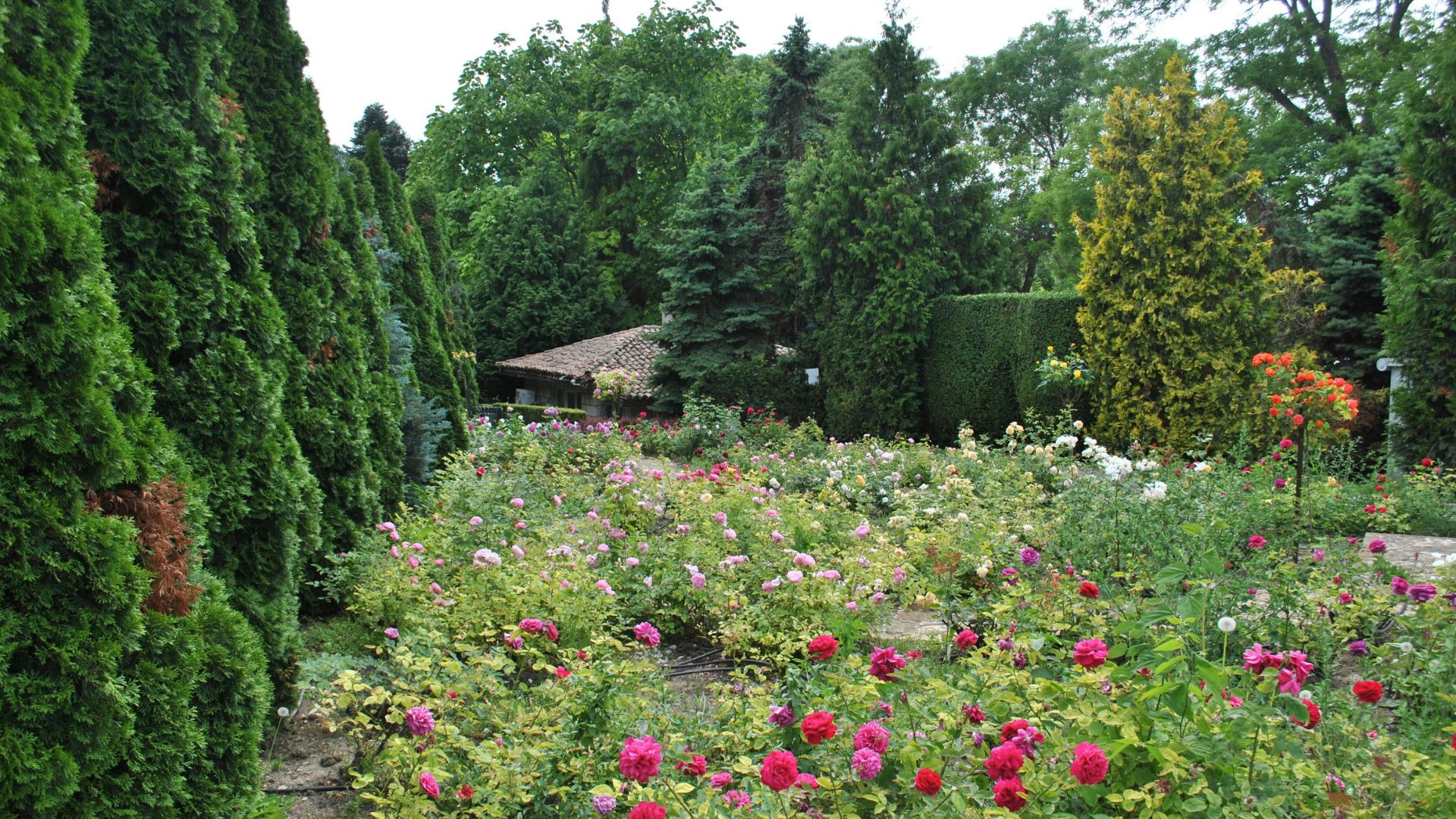
Summer Garden Trends Focus on Mediterranean and Low-Maintenance Plantings
- What's happening: UK gardeners are shifting toward Mediterranean-style gardens and compact, high-yield designs that thrive in summer heat while requiring less water and maintenance.
- Why gardeners care: These approaches align with water conservation concerns and appeal to busy gardeners seeking attractive, productive gardens without constant intervention.

Expert Corner
Fertilize Strategically as Growth Peaks: Heavy-feeding vegetables like tomatoes, peppers, and squash benefit from consistent nutrient supplies. Use balanced fertilizers (NPK ratios around 10-10-10 or 5-10-10) every 2–3 weeks, or apply slow-release granules at planting. Excess nitrogen can promote leafy growth at the expense of fruiting.
Harden Off Tender Seedlings Before Full Sun: If transplanting heat-sensitive plants in early June, gradually expose them to direct sunlight and outdoor temperatures over 7–10 days. Start with dappled light and move to full sun progressively to prevent leaf scorch and wilting.
Sustainable & Urban Growing
Compost as a Fertilizer Alternative: With fertilizer shortages affecting many regions, on-site compost production offers gardeners a self-sufficient nutrient source. Begin kitchen and yard waste composting now—finished compost is ready in 8–12 weeks and replaces purchased fertilizers while improving soil structure.
Permaculture Principles for Low-Maintenance Gardens: Design garden zones based on plant water and nutrient needs, place high-maintenance crops near water sources, and use mulching and perennial plantings to reduce seasonal labor. Intercropping herbs and flowers with vegetables boosts pollinator activity and natural pest control.
Urban Vertical Farming for Small Spaces: Apartment dwellers and balcony gardeners can adopt vertical systems using trellises, wall planters, and tiered containers to maximize yield in limited space. Herbs, leafy greens, and compact tomato varieties thrive in vertical setups while saving ground space.
Community Spotlight
Planning Multi-Season Harvests: Gardeners on r/vegetablegardening are discussing strategic succession planting to extend harvests year-round. One user noted: "Plant more bok choy at the end of August for a fall harvest"—a simple tactic that shifts crop timing to cooler seasons when cool-season crops thrive.
First Big Harvests Spark Storage Discussions: Early-season gardeners are celebrating first harvests and asking practical questions: "What's the best way to keep these crisp?" Community advice emphasizes rapid cooling, proper humidity levels, and ventilation to extend crisper life beyond a few days.
This Week's Action Items
- 🌱 Start now: Plant sweet potatoes, okra, pumpkins, and heat-loving herbs (basil, rosemary). Sow fall crops (bok choy, kale) if you're in cooler zones.
- 🔍 Watch for: Aphids, spider mites, and early blight on tomatoes as June heat accelerates pest reproduction. Scout daily and remove affected leaves.
- 📚 Learn about: Permaculture design principles and organic pest control methods to reduce chemical inputs and build resilient garden systems.
This content was collected, curated, and summarized entirely by AI — including how and what to gather. It may contain inaccuracies. Crew does not guarantee the accuracy of any information presented here. Always verify facts on your own before acting on them. Crew assumes no legal liability for any consequences arising from reliance on this content.
Powered by
