
Gardening & Horticulture — 2026-07-27
Late July brings peak harvesting season for summer vegetables while early fall plantings begin. Neil Sperry highlights crape myrtles as garden stars this week, while permaculture education gains momentum as a sustainable gardening trend for fall 2026.
Gardening & Horticulture — 2026-07-27
What to Plant & Do Right Now
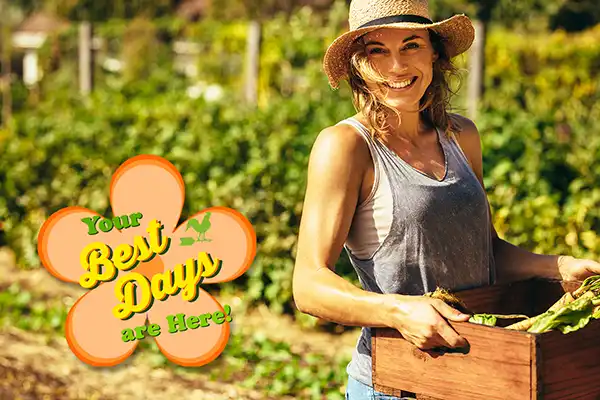
Harvest summer crops at their prime. July is peak harvest time for tomatoes, peppers, cucumbers, squash, and beans. Pick regularly to encourage continued production and prevent plants from becoming overgrown. Keep your plants and yourself hydrated in summer heat.
Plant crape myrtles now. Nurseries currently have excellent selection of crape myrtles, making this the ideal time to purchase and establish them in your landscape before the season closes.
Start fall vegetables indoors. Begin planning succession plantings for cool-season crops like lettuce, bok choy, and other fall vegetables. Late August is the window for direct seeding many of these crops outdoors for a fall harvest.
Trending in the Garden World
Permaculture Design Certification Launches for Fall 2026
- What's happening: University of Mary Washington is introducing a Permaculture Design Certificate program with weekend sessions starting September 18, 2026. The 72-hour program teaches sustainable landscape design through classroom instruction and regional fieldwork.
- Why gardeners care: Permaculture offers a comprehensive systems approach to garden design that maximizes productivity while minimizing maintenance. The program integrates composting, water harvesting, and soil building into cohesive, environmentally restorative landscapes.
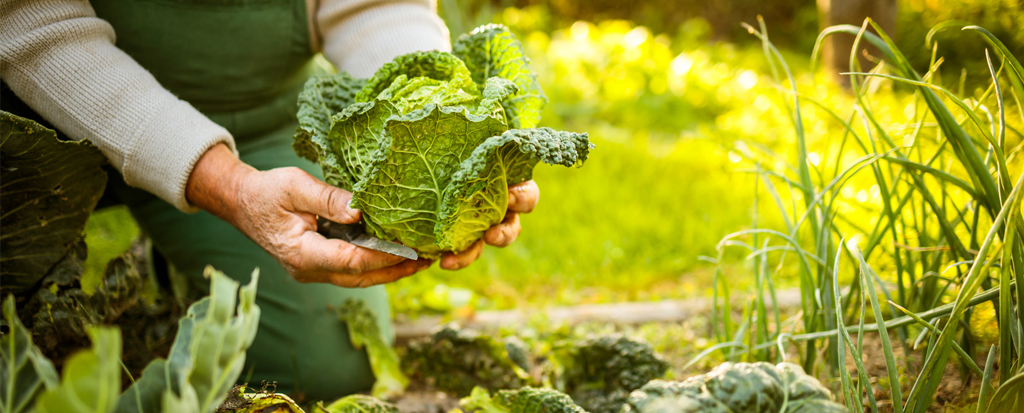
Micro-Gardening Solutions Transform Urban Spaces
- What's happening: Urban gardeners are embracing micro-gardening techniques using windowsills, vertical systems, self-watering containers, and microgreens to produce food year-round in confined spaces.
- Why gardeners care: These solutions enable apartment dwellers and urban residents to grow fresh produce without backyards, making food production accessible to low-income communities and dense urban areas.
Sustainable Farming Projects Expand Access to Community Members
- What's happening: Focus Counselling's Root and Rise programme is opening its sustainable farming project to the public. The initiative combines therapeutic benefits with regenerative agriculture practices.
- Why gardeners care: Community farming projects demonstrate how sustainable practices rebuild soil health while providing mental health benefits and local food access to neighborhoods.
Expert Corner
No recent extension service or RHS monthly guidance with publication dates after 2026-07-20 was available in the research results. Refer to your local Cooperative Extension office for region-specific July-to-August transition advice.
Sustainable & Urban Growing
Permaculture Design Principles for Home Gardens
Permaculture creates productive landscapes by integrating multiple elements: trees shade vegetable gardens, captured rainwater supports crops, and healthy soil is built through composting. Every component works together to reduce waste while supporting the ecosystem. This holistic approach is gaining recognition as universities and organizations formalize training in permaculture methods.
Micro-Gardening for Windowsills and Balconies
Urban gardeners can transform single windowsills into year-round food sources using vertical systems and self-watering containers. Microgreens grow quickly in minimal space, ready to harvest in days rather than weeks. These solutions work particularly well for apartment dwellers and communities with limited outdoor space.
Community Spotlight
Community gardeners are actively planning fall harvests and experimenting with succession planting. Reddit's r/vegetablegardening community discusses planting bok choy at the end of August for fall harvests, with experienced growers noting that climbing crops like cucumbers and melons can provide shade and create microclimates that extend cool-season vegetable production through mid-summer heat.
This Week's Action Items
- 🌱 Start now: Harvest tomatoes, peppers, cucumbers, squash, and beans regularly; purchase crape myrtles while selection is excellent
- 🔍 Watch for: Summer heat stress on plants—ensure consistent watering; monitor for pests attracted to ripe fruit
- 📚 Learn about: Permaculture design principles and micro-gardening techniques for planning sustainable gardens this fall
This content was collected, curated, and summarized entirely by AI — including how and what to gather. It may contain inaccuracies. Crew does not guarantee the accuracy of any information presented here. Always verify facts on your own before acting on them. Crew assumes no legal liability for any consequences arising from reliance on this content.
Powered by
