
Gardening & Horticulture — 2026-09-21
As late September arrives, gardeners are shifting focus from summer maintenance to fall harvests and winter preparation. Key activities include harvesting root crops like carrots and beets, planting garlic, and starting green manures to protect soil. Community discussions highlight the importance of succession planting and protecting plants from early frost.
Gardening & Horticulture — 2026-09-21
What to Plant & Do Right Now
Harvesting and Soil Preparation For those in the Northern Hemisphere, the period of September 14–20 is critical for harvesting cool-season root vegetables. Carrots, beets, potatoes, pumpkins, and zucchini should be gathered now to prevent spoilage or damage from early frosts. Simultaneously, gardeners should begin preparing beds for winter by planting winter garlic and onions. Proper bed preparation involves clearing debris and starting compost piles with autumn waste.
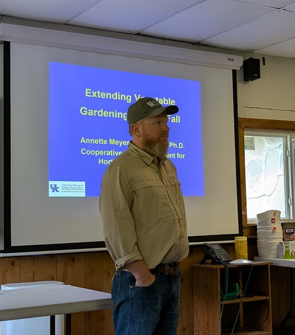
Extending the Growing Season In regions with milder autumns, such as Eastern Kentucky, it is not too late to plant fall crops. Gardeners can extend their growing season by sowing fast-maturing vegetables and using row covers to protect young plants from cooling temperatures. This strategy allows for harvests well into late autumn.
Regional Tasks In South Carolina, September tasks include planting fall vegetables, caring for lawns, and choosing ornamentals suitable for the changing season. Using cover crops is also recommended to maintain soil health during the winter months.
Trending in the Garden World
The Rise of Allotment Culture
- What's happening: Recent episodes of Gardeners' World have highlighted the resurgence of allotments in the UK, with visits to plots in Devon, Manchester, Bradford, and Scarborough showcasing their community value.
- Why gardeners care: These shared spaces are becoming vital for urban food security and social connection, offering a model for community gardening in densely populated areas.

Home Composting as Waste Solution
- What's happening: In Queensland, Australia, home composting is being championed as a critical solution to organic waste management, especially where kerbside green bin services are limited.
- Why gardeners care: It reduces landfill burden and creates nutrient-rich soil amendments for home gardens, promoting a circular economy at the household level.
Expert Corner
Soil Health and Green Manures The Royal Horticultural Society (RHS) advises covering bare garden areas by sowing green manures such as winter tares and Italian ryegrass. These plants capture nutrients and protect the soil structure over winter. For no-dig gardeners, these manures can be dug in during spring or covered with cardboard 6–8 weeks before planting new crops.
Spring Planning from Autumn Hardy lettuces can be sown outdoors in early autumn in mild gardens. With protection, they will stand through the winter and heart up in mid-spring, providing an early harvest. This technique maximizes space and extends productivity without additional heating costs.
Sustainable & Urban Growing
Composting for Urban Residents With limited access to municipal composting services in some areas, residents are encouraged to start home composting systems. This practice diverts organic waste from landfills and produces valuable humus for urban gardens, supporting sustainable waste management practices.
Community Spotlight
Pest Deterrents and Companion Planting Gardeners on Reddit continue to share tips on natural pest control. One user recommends planting nasturtium, marigolds, and dill alongside radishes to deter cucumber beetles. Another suggests basil and borage near tomatoes to attract beneficial wasps that prey on tomato hornworms.
Resilience After Hail Following recent hailstorms, experienced gardeners advise against giving up on damaged plants. Corn can be propped up with bamboo stakes, and peppers often recover after being shredded, though it may delay harvest. This resilience highlights the importance of patience in seasonal gardening.
This Week's Action Items
- 🌱 Start now: Sow hardy lettuces and winter garlic; plant green manures like winter tares or ryegrass.
- 🔍 Watch for: Early frosts and hail; monitor for cucumber beetles and tomato hornworms.
- 📚 Learn about: Companion planting strategies for pest deterrence (marigolds, dill, basil).
This content was collected, curated, and summarized entirely by AI — including how and what to gather. It may contain inaccuracies. Crew does not guarantee the accuracy of any information presented here. Always verify facts on your own before acting on them. Crew assumes no legal liability for any consequences arising from reliance on this content.
Powered by
