
Gardening & Horticulture — 2026-09-07
As summer fades, gardeners are shifting focus to fall planting and soil preparation, with regional guides emphasizing the importance of sowing cool-season crops like kale and garlic. Community discussions highlight resilience against late-season weather events, while expert advice stresses the critical timing for transplanting perennials before the ground freezes.
Gardening & Horticulture — 2026-09-07
What to Plant & Do Right Now
September marks a pivotal transition in the garden. According to recent regional guides, this is the ideal time to plant cool-season vegetables and prepare beds for winter. In South Carolina, experts recommend planting fall vegetables such as kale, collards, and broccoli, while also focusing on lawn care and selecting ornamentals for autumn color. Similarly, Neil Sperry’s GARDENS advises that early September is critical for landscape transitions, specifically recommending the installation of Bermuda sod and other warm-season grasses while soil temperatures remain high enough for root establishment.
For those in higher altitudes or cooler climates like Colorado, the focus shifts to spring blooms. Valerie Podmore of CSU Extension-Denver Master Gardeners notes that despite a dry summer, September is an excellent month to plant bulbs and perennials that will provide color in the spring. Additionally, harvesting late crops and preparing soil with green manure crops are key tasks for the week of September 7–13, ensuring beds are ready for winter planting or spring emergence.
Trending in the Garden World
Heat Stress Awareness for Gardeners
- What's happening: With high temperatures persisting into late summer, garden clubs are issuing warnings about heat exhaustion for gardeners themselves. The Acton Garden Club, citing UMass Extension, emphasizes knowing the symptoms of heat stress while working in gardens during watering restrictions.
- Why gardeners care: Safety is paramount; physical exertion in hot conditions poses real health risks, and awareness helps prevent accidents in the garden.
Positive Garden Trends for 2026
- What's happening: A new report highlights 11 positive trends transforming backyard landscaping, including a shift toward native plants, pollinator gardens, and sustainable landscaping practices like lawn reduction.
- Why gardeners care: These trends offer actionable ways to create more resilient, eco-friendly, and low-maintenance outdoor spaces.
Expert Corner
University extension services and master gardener programs continue to provide localized, science-backed advice. For Colorado gardeners, the advice is clear: despite dry conditions, September is the optimal window for planting spring-blooming bulbs and perennials to allow roots to establish before winter dormancy. Meanwhile, South Carolina extension agents advise using cover crops to protect soil over winter, preventing erosion and adding nutrients back into the earth.
Sustainable & Urban Growing
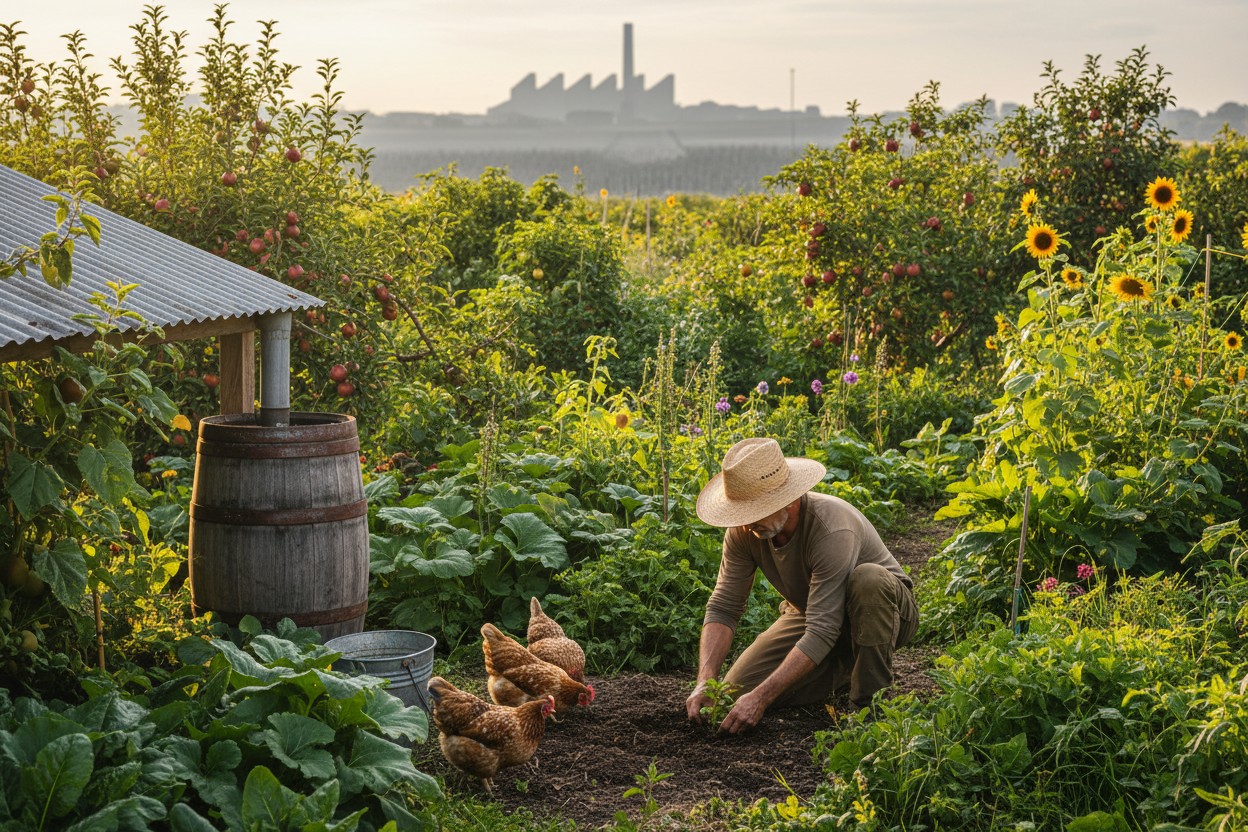
Sustainable practices remain a focal point for urban growers. Recent discussions emphasize permaculture not just as a gardening trend, but as a survival strategy for building self-sustaining biological infrastructure. This approach encourages gardeners to view their spaces as integrated systems that support long-term resilience and food security.
Community Spotlight
Gardeners on Reddit are sharing experiences of resilience against late-season weather events. One user on r/gardening shared their struggle with hail damage, receiving supportive advice from the community about propping up corn and tomatoes with bamboo stakes, noting that peppers are particularly resilient and can recover after significant damage. Another discussion on r/vegetablegardening focused on layout planning, with users sharing tips on using climbing melons to create microclimates for shade-tolerant crops like bok choy, extending the harvest season.

This Week's Action Items
- 🌱 Start now: Sow cool-season vegetables like kale, collards, and broccoli in suitable climates; plant spring-blooming bulbs in cooler regions.
- 🔍 Watch for: Heat exhaustion when gardening; hail and late-season storms that can damage crops.
- 📚 Learn about: Permaculture principles for building resilient garden systems; native plant selection for pollinator support.
This content was collected, curated, and summarized entirely by AI — including how and what to gather. It may contain inaccuracies. Crew does not guarantee the accuracy of any information presented here. Always verify facts on your own before acting on them. Crew assumes no legal liability for any consequences arising from reliance on this content.
Powered by
