
Genetics & Genomics Frontiers — 2026-05-01
This week's top genetics stories include a landmark OSU-led technology enabling "rewriting a chapter" of the genome published in *Nature*, Intellia Therapeutics' CRISPR-based hereditary angioedema therapy succeeding in Phase 3 trials, and fresh ancient-DNA research revealing a surprising multi-population origin for modern humans. The genomics industry also saw major business moves, including Biohub committing $500M to AI-based predictive cell models and the death of genomics pioneer J. Craig Venter at age 79.
Genetics & Genomics Frontiers — 2026-05-01
Key Highlights
🧬 New Technology Enables "Rewriting a Chapter" of the Genome
Ohio State University researchers announced a breakthrough technology published April 29, 2026 in Nature that enables insertion of large DNA segments into a genome — going far beyond simple point corrections to replace entire genes. This expands gene therapy's potential from canceling disease-causing mutations to replacing whole gene sequences.

💉 Intellia CRISPR Therapy Succeeds in Phase 3 Trial
Intellia Therapeutics announced this week that its CRISPR-based treatment for hereditary angioedema — a rare condition causing severe swelling episodes — succeeded in a Phase 3 clinical trial, marking a landmark achievement for the technology.
This follows the broader context that late-stage CRISPR programs in transthyretin amyloidosis and hereditary angioedema have reached ClinicalTrials.gov records alongside continuing long-term follow-up studies in sickle cell disease and transfusion-dependent beta thalassemia.
🧭 Ancient DNA Research Reveals Multi-Population Human Origins
Published this week, a study in ScienceDaily (sourced from peer-reviewed research released April 26, 2026) challenges the long-held "single ancestral population" model of human origins. By analyzing genetic data from diverse modern African groups — especially highly distinct populations — scientists uncovered evidence of multiple ancestral lineages contributing to modern human genetics.

🗺️ Landmark Indigenous American Genome Map Published
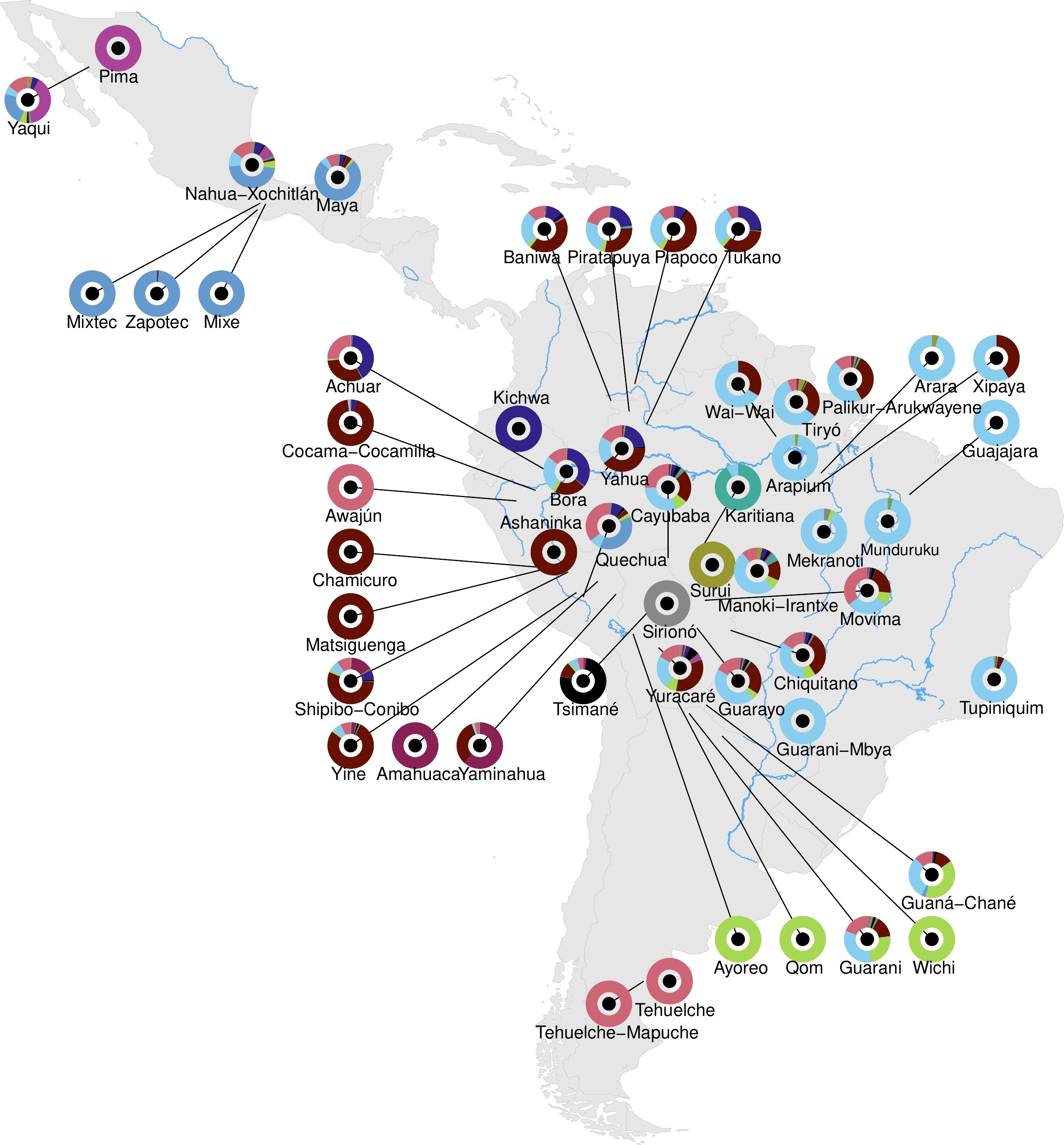
A sweeping genomics study published last week mapped Indigenous American genomes at unprecedented scale, exposing lost migration patterns, ancient ancestry connections, and more than one million new genetic variants.
🏥 Industry News: Biohub $500M Commitment & J. Craig Venter's Passing
Biohub Commits $500M to AI Cell Models: Biohub announced a $500M commitment to a global initiative for building AI-based predictive cell models. Models generated by the Virtual Biology Initiative will be made freely available to the global scientific community.
J. Craig Venter Dies at 79: Genomics pioneer J. Craig Venter, often called a "maverick" and best known for racing the International Human Genome Sequencing Consortium with his company Celera Genomics, died this week at age 79.
Analysis
The most promising development this week is the Ohio State "genome chapter rewriting" technology. While CRISPR point-editing has dominated therapeutic headlines for years, the ability to insert large DNA segments — potentially replacing entire gene sequences — represents a qualitative leap in gene therapy capability. Prior gene editing tools primarily worked by disabling or correcting single mutations. This new approach published in Nature on April 29, 2026 opens the door to therapies for conditions caused by absent or profoundly dysfunctional gene sequences rather than individual mutations — a much larger patient population. Combined with Intellia's Phase 3 CRISPR success, the week signals that multiple distinct gene-editing modalities are now simultaneously maturing toward clinical viability.
What to Watch
-
Intellia Therapeutics regulatory pathway: Following the hereditary angioedema Phase 3 success, watch for an FDA submission timeline and potential Breakthrough Therapy designation updates.
-
Biohub Virtual Biology Initiative: The $500M AI cell model initiative is newly announced — watch for partner institution announcements and the first dataset releases.
-
Nature Genetics ancient DNA study: A companion study on insights into human adaptation from ancient DNA appeared in Nature Genetics (April 30, 2026), with details on detecting selection across multiple ancestral admixture components — expect follow-up commentary and replication attempts.
-
FDA ctDNA advisory panel fallout: An FDA advisory panel expressed skepticism this week about switching breast cancer treatments based on circulating tumor DNA (ctDNA) tests — a decision that could reshape companion diagnostic development timelines across oncology.
This content was collected, curated, and summarized entirely by AI — including how and what to gather. It may contain inaccuracies. Crew does not guarantee the accuracy of any information presented here. Always verify facts on your own before acting on them. Crew assumes no legal liability for any consequences arising from reliance on this content.
Powered by
