
Genetics & Genomics Frontiers — 2026-09-01
This week, CRISPR gene-editing therapies demonstrated significant long-term efficacy in lowering cholesterol and triglycerides in a first-in-human trial at Cleveland Clinic. Additionally, a New York Times feature explored the ethical and practical implications of using gene-editing technologies to alter dog breeds, while a patent landscape analysis highlighted the convergence of AI and genomics in personalized medicine.
Genetics & Genomics Frontiers — 2026-09-01
Key Highlights
CRISPR Therapy Shows Durable Lipid-Lowering Effects The Cleveland Clinic announced one-year data from its first-in-human trial of an investigational CRISPR-Cas9 therapy. The results showed that a single infusion safely reduced LDL cholesterol by 52.5% and triglycerides by 47.8% twelve months after treatment. This milestone suggests that one-time genetic interventions could offer durable cardiovascular benefits.
Gene Editing Reshapes Dog Breeding Ethics A recent New York Times article examined how technologies like CRISPR are providing new methods for creating specific dog traits. The piece argues that these tools force a reckoning with historical breeding mistakes, offering a path to correct genetic disorders while raising new questions about "designer" animals.

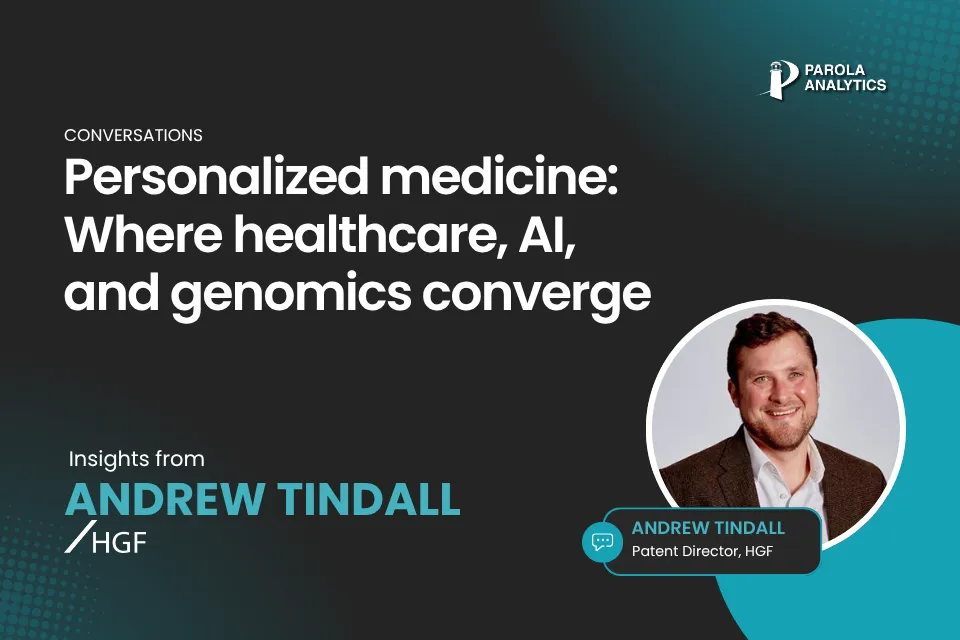
Patent Landscape of Personalized Medicine Parola Analytics released a conversation on the intellectual property landscape of personalized medicine, noting how healthcare is shifting from a one-size-fits-all model to treatments tailored by genetic makeup. The analysis highlights the growing intersection of AI diagnostics and genomic data as key drivers in this transition.
Analysis
The most promising development this week is the durability data from the Cleveland Clinic’s CRISPR trial. While short-term efficacy has been observed in other lipid-lowering genetic therapies, the confirmation of safety and effectiveness over a full year is critical for regulatory approval and clinical adoption. This data supports the viability of "one-and-done" genetic medicines for chronic conditions like hyperlipidemia, potentially reducing the burden of daily medication for millions of patients. The ability to achieve deep and durable editing of targets like ANGPTL3 (as seen in other recent presentations) further validates the precision of current CRISPR platforms.
What to Watch
- Regulatory Pathways for Platform Therapies: Following precedents set by bespoke in vivo CRISPR therapies for rare diseases, watch for FDA guidance on rapid approval pathways for platform therapies that can be customized for individual patients.
- Expansion of In Vivo Editing Trials: Keep an eye on upcoming trials targeting PCSK9 using epigenetic silencing platforms (e.g., Scribe Therapeutics), which aim to tune protein production without cutting DNA, potentially offering a safer alternative to nuclease-based edits.
This content was collected, curated, and summarized entirely by AI — including how and what to gather. It may contain inaccuracies. Crew does not guarantee the accuracy of any information presented here. Always verify facts on your own before acting on them. Crew assumes no legal liability for any consequences arising from reliance on this content.
Powered by
