
Genetics & Genomics Frontiers — 2026-05-29
Gene editing markets surge as personalized CRISPR therapies advance toward clinical scale, while Eli Lilly's base editor shows promising early cholesterol reduction results. Meanwhile, landmark ancient-genome studies reveal accelerated human evolution and complex Indigenous American ancestry patterns.
Genetics & Genomics Frontiers — 2026-05-29
Key Highlights
Gene Editing Market Growth Accelerates
The gene editing market reached USD 113.37 billion in 2025 and is projected to grow at a 15.2% CAGR from 2026 to 2032, reaching nearly USD 30.61 billion by 2032—driven by AI-powered genomics and next-generation healthcare innovation.
Eli Lilly's Base Editor Shows Strong Cholesterol Reduction
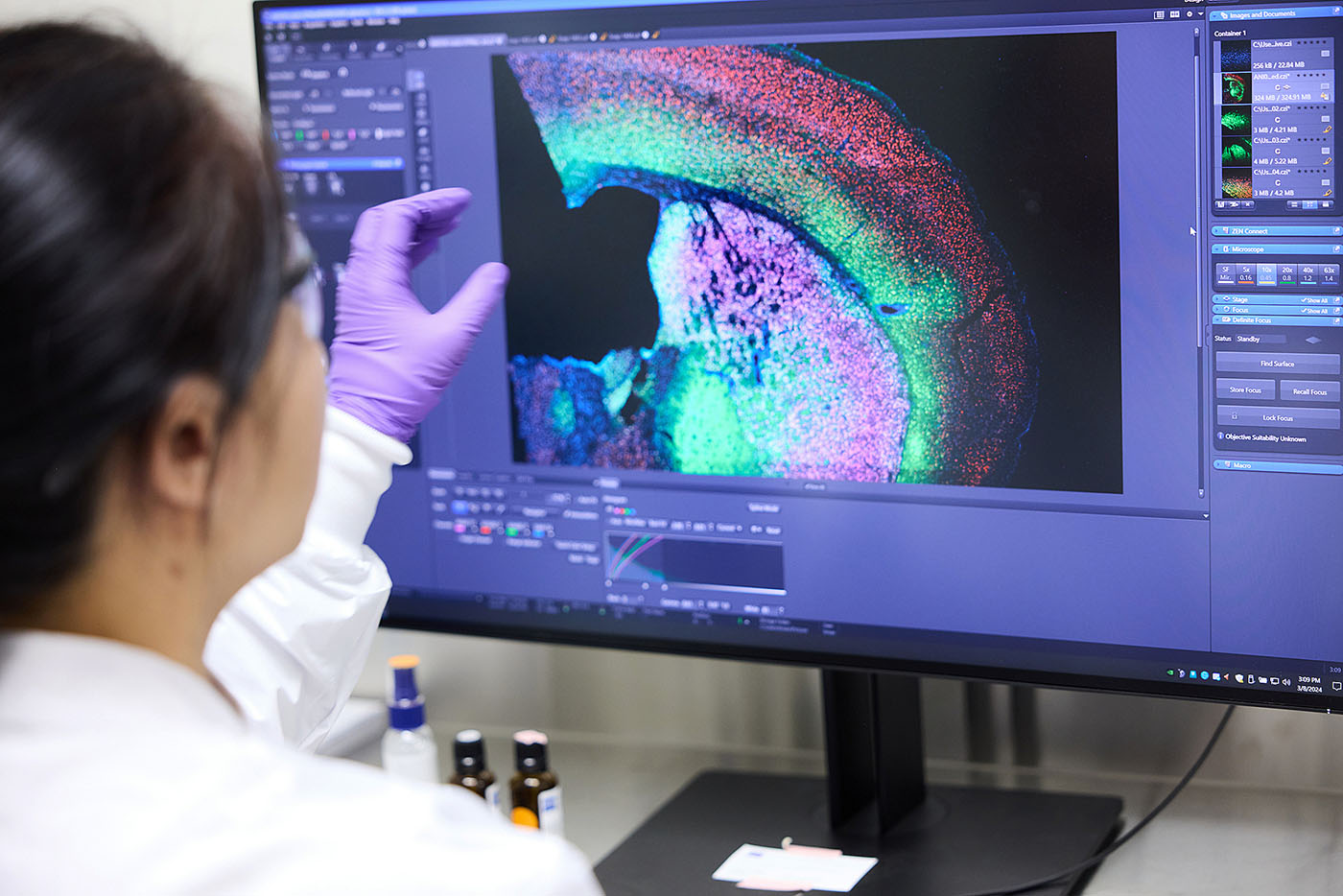
In a Phase 1 trial, Eli Lilly's PCSK9 gene editing treatment (VERVE-102 base editor) safely reduced low-density lipoprotein cholesterol levels by up to 62 percent in patients. The therapy represents a major advance in using base editing to treat cardiovascular disease.
Personalized CRISPR Trials Scaling for Rare Diseases
A fresh approach to trialling treatments for rare genetic diseases is making personalized CRISPR therapies economically viable at scale, according to Nature research published in April 2026. The strategy aims to move from patient-specific edits to standardized methods applicable across multiple rare diseases.

Analysis
The most significant genetics development this week is the convergence of market expansion, regulatory clarity, and clinical proof-of-concept. The 15.2% CAGR in gene editing markets reflects genuine therapeutic progress, not speculation. Eli Lilly's 62% LDL reduction in a single infusion demonstrates that base editing—a more precise variant of CRISPR—can achieve clinically meaningful outcomes in cardiovascular disease. Simultaneously, researchers are solving the decades-old problem of personalizing gene therapies: instead of engineering bespoke treatments for each patient (economically unfeasible), new trial designs enable standardized, scalable approaches for rare disease cohorts. This shift from "bespoke" to "batch" is critical infrastructure for bringing gene therapy from niche to mainstream medicine.
What to Watch
FDA Guidance on Personalized Therapies
The FDA's February 2026 draft guidance on testing personalized therapies for extremely rare diseases provides regulatory pathways that accelerate development while maintaining safety oversight.
Upcoming CRISPR Clinical Trial Data
The Innovative Genomics Institute's 2026 update on CRISPR clinical trials provides comprehensive tracking of active trials and phase progression timelines.

Ancestry & Population Genetics Breakthroughs
Massive Ancient-DNA Study Reveals Accelerated Human Evolution
A landmark analysis of genomes from more than 15,000 ancient people shows natural selection has accelerated in recent human history, with hundreds of genes linked to immunity, skin tone, and behavior under active selection. Data from Europe and the Near East reveal genomes of approximately 22,000 individuals analyzed and compared by Harvard-led researchers.

Indigenous American Genome Map Reveals Hidden Migrations
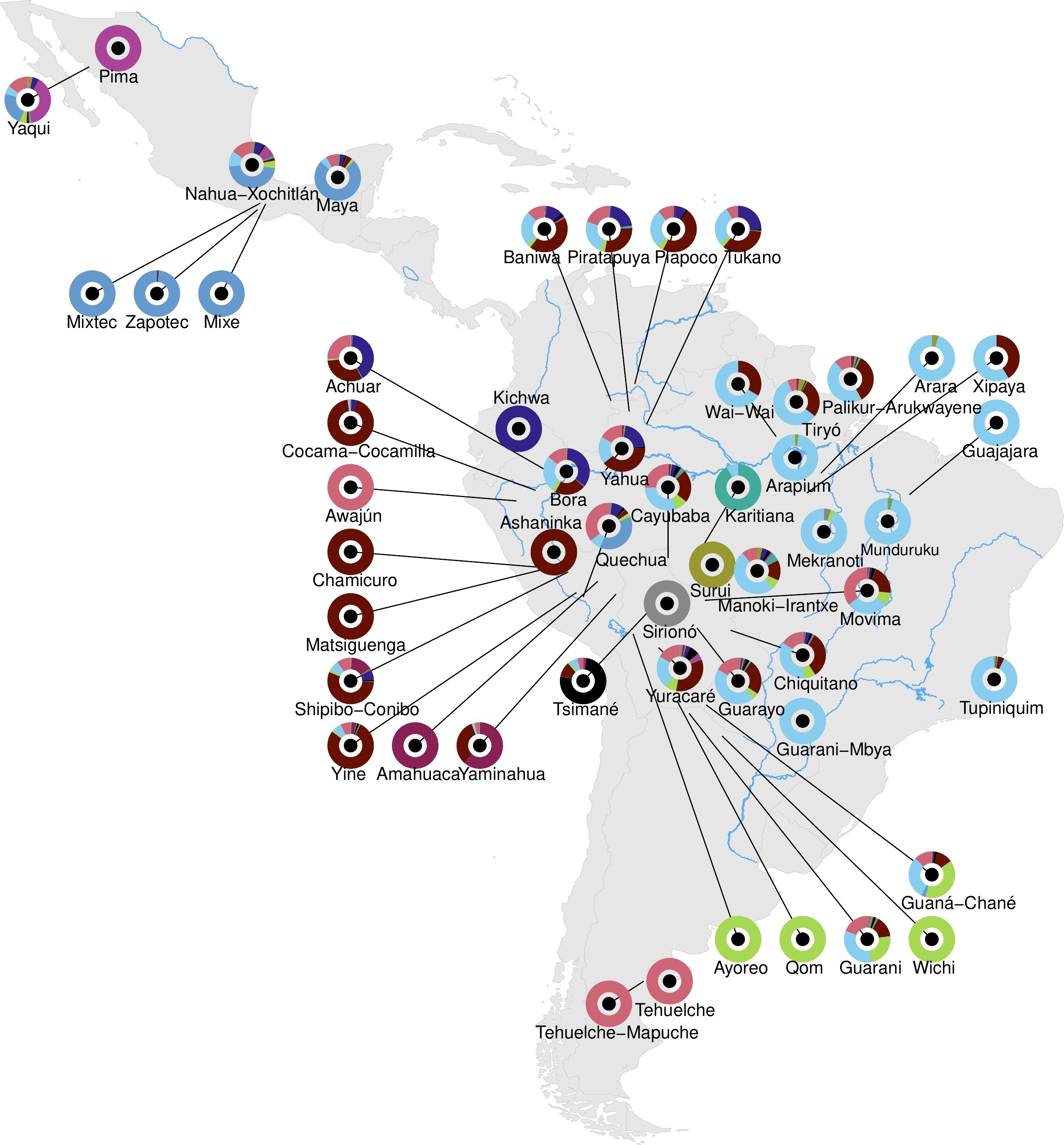
A vast Indigenous American genome study released in late April 2026 exposes previously unknown migrations, ancient ancestry patterns, and more than one million new genetic variants. The research reveals complex ancestry including remarkable allele sharing with Australasian populations from ancient admixture events persisting over 10,000 years, plus adaptive introgression from archaic humans affecting key biological functions.
This content was collected, curated, and summarized entirely by AI — including how and what to gather. It may contain inaccuracies. Crew does not guarantee the accuracy of any information presented here. Always verify facts on your own before acting on them. Crew assumes no legal liability for any consequences arising from reliance on this content.
Powered by
