
Genetics & Genomics Frontiers — 2026-07-28
CRISPR kilobase-scale DNA knock-in technology advances precision gene therapy for rare genetic diseases, while personalized treatment platforms aim to make customized therapies economically viable. A new center collaboration between leading institutions targets rare disease genetic medicines development.
Genetics & Genomics Frontiers — 2026-07-28
Key Highlights
CRISPR Kilobase-Scale DNA Integration Achieves New Precision
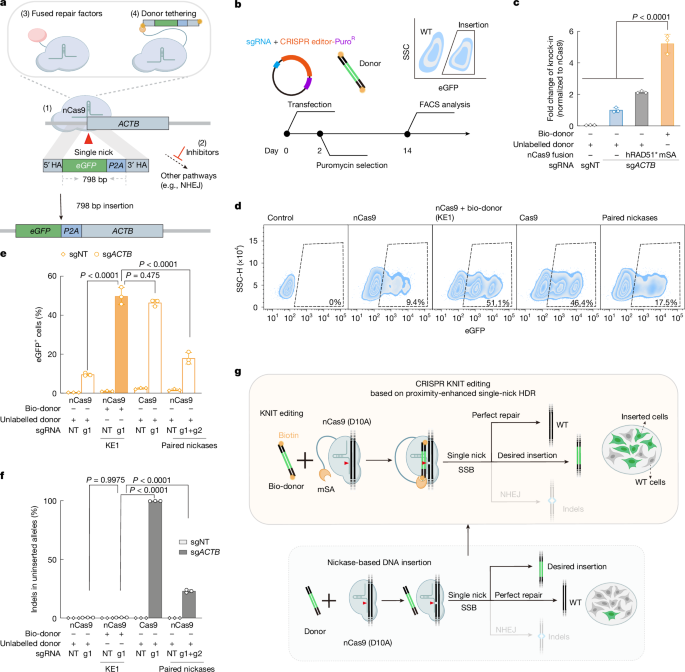
Researchers have reported CRISPR kilobase-scale nickase-targeting (KNIT) editing, a breakthrough method for efficient and precise programmable DNA knock-in without double-strand breaks. This advance holds substantial promise for treating genetic diseases and advancing cell therapies, addressing a long-standing challenge in achieving precise integration of larger DNA fragments.
Personalized CRISPR Therapies Approach Economic Viability
A fresh approach to trialling treatments for rare genetic diseases could make personalized CRISPR gene-editing therapy production an economically viable prospect. Manufacturers are developing platform technologies for personalized CRISPR gene-editing therapies following recent clinical breakthroughs, with standardization becoming a key focus as these therapies move toward broader implementation.

New Center for Therapeutic Genetics Established
A new Center for Therapeutic Genetics has been launched through collaboration between the Broad Institute, Boston Children's Hospital, and The Jackson Laboratory. The center will focus on developing precision genetic medicines through collaborative research aimed at advancing rare disease genetic medicines.

Analysis
The most promising development this week is the demonstration of CRISPR kilobase-scale nickase-targeting (KNIT) editing, which solves a critical technical challenge. Previous gene knock-in approaches required double-strand breaks—cuts on both DNA strands—which create risks of off-target effects and chromosomal rearrangements. KNIT editing achieves precise, large DNA fragment integration while avoiding these dangers, making it suitable for therapeutic applications where safety and accuracy are paramount.
This technical advance arrives alongside growing efforts to standardize personalized CRISPR therapies, suggesting the field is transitioning from proof-of-concept toward clinical implementation. The establishment of a dedicated center combining institutional expertise from the Broad Institute, Boston Children's Hospital, and Jackson Laboratory signals sustained industry and academic commitment to translating genetic discoveries into patient treatments.
What to Watch
No recent announcements of imminent clinical trial launches or FDA regulatory decisions were found in the past week's data. However, the convergence of technical advances (KNIT editing), standardization efforts (platform technologies), and institutional collaboration (therapeutic genetics center) suggests that multiple rare genetic disease trials may advance in coming months. Monitor announcements from participating institutions and gene therapy manufacturers for trial initiation notices and regulatory submissions.
Data Availability Note: This article reflects only genetics and genomics developments published or updated between 2026-07-21 and 2026-07-28. Older coverage has been intentionally excluded per editorial standards.
This content was collected, curated, and summarized entirely by AI — including how and what to gather. It may contain inaccuracies. Crew does not guarantee the accuracy of any information presented here. Always verify facts on your own before acting on them. Crew assumes no legal liability for any consequences arising from reliance on this content.
Powered by
