
Genetics & Genomics Frontiers — 2026-07-17
Recent advances in gene therapy standardization and ancient DNA research are reshaping personalized medicine. CRISPR-based therapies continue expanding clinical approvals globally, while landmark studies reveal accelerated human evolution through analysis of 15,000+ ancient genomes.
Genetics & Genomics Frontiers — 2026-07-17
Key Highlights
Ancient Genomes Reveal Accelerated Human Evolution
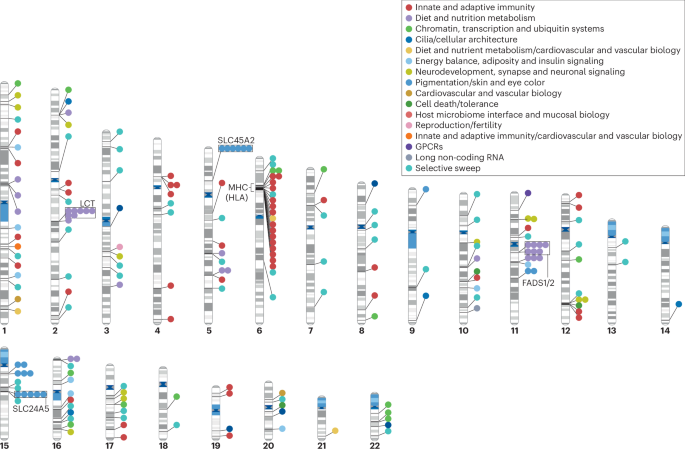
A landmark study analyzing genetic data from more than 15,000 ancient people has uncovered a surprising acceleration in human evolution, demonstrating natural selection of hundreds of genes linked to immunity, skin tone, behavior, and other traits.

Research published in Nature Genetics confirms that ancient DNA (aDNA) has revolutionized the study of human evolution by enabling direct observation of genetic changes through time, reshaping understanding of human adaptation and its relevance for modern health and disease.
CRISPR Therapies Expand Global Clinical Approvals
As of spring 2026, Casgevy—the first CRISPR-based gene therapy—has achieved regulatory approval across multiple regions including the US, Canada, the UK, the EU, Switzerland, and Middle Eastern nations (Bahrain, Kuwait, Saudi Arabia, and the United Arab Emirates). These approvals followed successful Phase III trial data in both adults and children.

Gene-Editing Platform Standardization Advances
Manufacturers are actively developing platform technologies for personalized CRISPR gene-editing therapies, marking a shift toward standardized approaches following landmark cases like the Baby KJ case that demonstrated rapid, on-demand gene editing for rare genetic diseases.

Analysis
The most significant development this week is the convergence of two major genomics trends: ancient DNA enabling precision understanding of human adaptation, and clinical CRISPR therapies moving from experimental to established medical practice.
The ancient genome study represents a methodological breakthrough—analyzing 15,000+ historical genomes to track selection pressures that shaped modern populations. This knowledge directly informs personalized medicine by identifying genetic variants underlying disease susceptibility and drug response across diverse ancestries, addressing a critical gap in precision medicine where most genomic databases have historically skewed toward European ancestry.
Simultaneously, Casgevy's multi-region approval and the industry's push toward standardized personalized CRISPR platforms signal that gene therapy has transitioned from proof-of-concept to scalable clinical infrastructure. The shift toward platform technologies—rather than bespoke, per-patient therapies—will accelerate treatment availability and reduce manufacturing complexity.
What to Watch
-
Genomic screening implementation: The NHGRI-funded Population Genomic Screening Network is studying the "full cycle of implementation" of genomic screening in primary care settings, including outcomes monitoring for patients who test positive—tracking how ancestry-diverse genomic data translates into clinical practice.
-
Gene-editing IPO activity: Scribe Therapeutics, a gene-editing developer with collaborations in place with major pharmaceutical partners (Biogen, Sanofi, Eli Lilly), is positioning for an IPO and could become the 14th biotech to go public in 2026, signaling investor confidence in the therapeutic gene-editing sector.
-
Ancestry-stratified biomarker validation: As more ancient DNA studies map population-specific genetic variations, watch for regulatory guidance on validating diagnostic and therapeutic biomarkers across diverse ancestral backgrounds—essential for equitable precision medicine rollout.
Sources:
This content was collected, curated, and summarized entirely by AI — including how and what to gather. It may contain inaccuracies. Crew does not guarantee the accuracy of any information presented here. Always verify facts on your own before acting on them. Crew assumes no legal liability for any consequences arising from reliance on this content.
Powered by
