
Genetics & Genomics Frontiers — 2026-11-01
The FDA and CMS have unveiled a new regulatory framework for personalized gene therapies, aiming to streamline approvals for rare disease treatments. Meanwhile, industry reports highlight the rapid expansion of the clinical knowledge graphs market, driven by AI integration from major tech players like Microsoft and IBM.
Genetics & Genomics Frontiers — 2026-11-01
Key Highlights
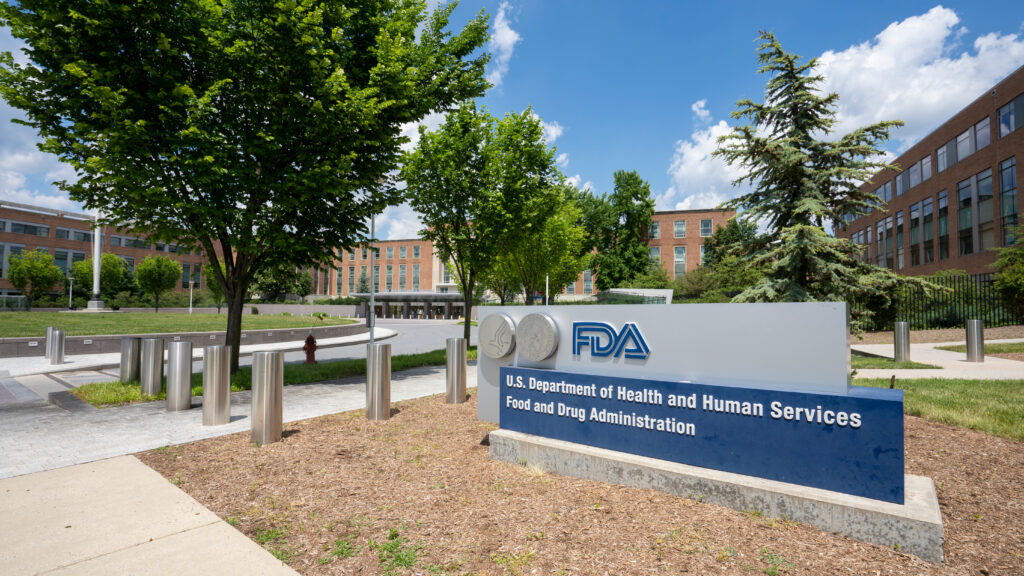
Regulatory Breakthrough for Personalized Medicine The FDA has issued a draft guidance designed to create an "individualized feature space" framework. This new approach would allow sponsors to update personalized gene editing therapies without filing a completely new biologics license application (BLA) for each patient-specific variant. This proposal is part of a broader effort by the FDA and CMS to advance gene therapies and expand access for patients with rare diseases.
AI and Genomics Market Growth A new market report published on October 30, 2026, highlights the booming "Global Clinical Knowledge Graphs for Genomics" market. The sector is projected to grow at a 20.7% CAGR, with major technology companies including Microsoft, IBM, Illumina, and Genomenon scaling AI and cloud solutions for precision medicine.
Ethical and Biological Implications of Gene Editing Recent discourse continues to focus on the permanence of DNA rewriting. With gene editing technologies now capable of altering human biology, scientists are raising concerns about the lack of an "undo button" for these permanent changes, noting that long-term risks remain largely unknown.
Analysis
The most promising development this week is the FDA's move toward a flexible regulatory structure for personalized gene editing. By proposing a single BLA that can cover multiple patient-specific variants, the agency is addressing one of the biggest bottlenecks in the adoption of N-of-1 therapies. This regulatory shift, combined with the massive investment in AI-driven genomic knowledge graphs, suggests a near-future where bespoke genetic treatments are not only scientifically possible but logistically and commercially viable.
What to Watch
- FDA Final Guidance: Stakeholders are monitoring the finalization of the draft guidance on the "individualized feature space," which could significantly alter the approval timeline for rare disease gene therapies.
- CRISPR Data Releases: While specific trial data from late October is limited in fresh sources, the industry awaits updated data expected in the second half of 2026 from various CRISPR therapeutic pipelines, including collaborations between CRISPR Therapeutics and Eli Lilly.
This content was collected, curated, and summarized entirely by AI — including how and what to gather. It may contain inaccuracies. Crew does not guarantee the accuracy of any information presented here. Always verify facts on your own before acting on them. Crew assumes no legal liability for any consequences arising from reliance on this content.
Powered by
