
Genetics & Genomics Frontiers — 2026-10-08
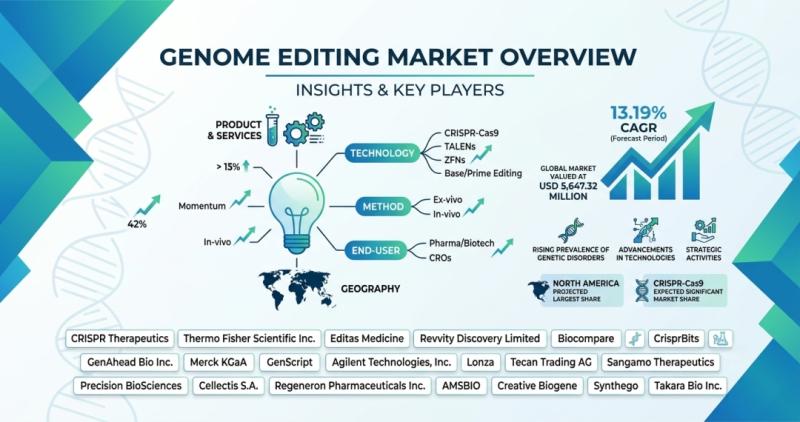
Recent industry analyses highlight robust growth in the genome editing market, projected to expand through 2032 driven by CRISPR advancements. Meanwhile, broader genomic studies continue to reshape our understanding of human evolution, revealing accelerated natural selection and complex ancestral origins.
Genetics & Genomics Frontiers — 2026-10-08
Key Highlights

- Market Expansion: The global genome editing market is forecast to grow at a Compound Annual Growth Rate (CAGR) of 13.19% through 2032. This expansion is fueled by rising genetic disorders and strategic activities by key players such as CRISPR Therapeutics, Editas Medicine, and Sangamo Therapeutics.
- Evolutionary Insights: A massive study of ancient DNA from nearly 16,000 individuals across West Eurasia has revealed that natural selection has shaped modern human genomes far more significantly than previously thought, with evidence suggesting human evolution has accelerated over the past 10,000 years.
- Ancestral Complexity: New genomic sequencing of individuals from Near Oceanian populations has identified ancestry from at least three Denisovan-related groups, with over 3,100 archaic variants functionally validated as regulators of gene expression.
Analysis
The most promising development highlighted in recent reports is the sustained economic viability of the genome editing sector. The projection of a 13.19% CAGR through 2032 indicates that despite regulatory hurdles, the clinical and commercial demand for CRISPR-based therapies remains high. This financial optimism aligns with scientific breakthroughs in understanding human evolution, where ancient DNA studies are providing unprecedented clarity on how natural selection operates in recent human history.
What to Watch
- Commercialization Milestones: Industry watchers are monitoring companies like Casgevy (Vertex/CRISPR Therapeutics) as they intend to file for commercialization with the FDA by the end of 2026, particularly for Sickle Cell Disease treatments that involve turning fetal hemoglobin back "on".
- Regulatory Pathways for Rare Diseases: Following the landmark case of bespoke in vivo CRISPR therapy delivered to an infant in six months, there is heightened attention on the regulatory pathways established for rapid approval of platform therapies for rare, untreatable genetic diseases.
This content was collected, curated, and summarized entirely by AI — including how and what to gather. It may contain inaccuracies. Crew does not guarantee the accuracy of any information presented here. Always verify facts on your own before acting on them. Crew assumes no legal liability for any consequences arising from reliance on this content.
Powered by
