
Genetics & Genomics Frontiers — 2026-07-07
This week brings major breakthroughs in standardizing personalized CRISPR therapies, advances in genome sequencing standards for precision medicine, and landmark findings on human evolution from ancient DNA analysis. A gene-editing company plans a major IPO, while researchers work to make gene therapies faster and more accessible to patients. <!-- /headline -->Standardizing CRISPR Therapies Unlocks Rare Disease Treatments at Scale<!-- /headline -->
Genetics & Genomics Frontiers — 2026-07-07
Key Highlights
Personalizing CRISPR at Scale
Manufacturers are developing platform technologies for personalized CRISPR gene-editing therapies following landmark clinical successes. The shift toward standardized approaches aims to make individualized treatments economically viable for rare genetic diseases—a critical challenge after the Baby KJ case demonstrated therapeutic promise but exposed manufacturing complexity.

Genome Sequencing Standards for Precision Medicine
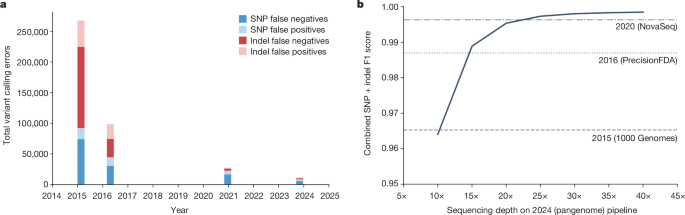
Nature published critical recommendations for standardizing genome data quality to realize precision medicine's promise. Researchers highlight challenges in sequence accuracy, analysis consistency, and data interpretation across medical genomics applications—essential infrastructure for bringing therapies safely to patients.
Scribe Therapeutics Eyes IPO
Gene-editing developer Scribe Therapeutics is plotting an initial public offering, potentially becoming the 14th biotech to go public in 2026. The California drugmaker has collaborations in place with Biogen, Sanofi, and Eli Lilly, signaling investor confidence in the commercial viability of gene-editing platforms.

Ancient Genomes Reveal Accelerated Human Evolution
A landmark study analyzing genomes from over 15,000 ancient people shows that natural selection has accelerated in recent human evolution, with hundreds of genes linked to immunity, skin tone, and behavior under selective pressure. The findings reveal how human populations adapted to environmental and disease pressures over millennia.

Making Gene-Edited Sickle Cell Therapies Accessible
Researchers are working to accelerate, cheapen, and scale gene-editing treatments for sickle cell disease now that the approach has proven therapeutically effective. The next challenge: distributing personalized CRISPR therapies to far more patients worldwide.
Analysis
The most promising development this week is the convergence of two trends: standardization of CRISPR manufacturing and genome data quality standards. Previously, personalized gene therapies faced a paradox—proven to work but economically unscalable. This week's reporting indicates the field is solving that bottleneck through platform technologies that reduce per-patient manufacturing costs while maintaining therapeutic efficacy.
The Scribe IPO signals that investors believe gene-editing platforms can achieve scale profitably. Combined with Nature's publication on genomic standards, we're seeing the infrastructure—both technical and commercial—emerge to move precision medicine from rare-disease niche to broader clinical reality.
The ancient DNA findings on accelerated human evolution also contextualize why genomic precision matters: human populations have adapted rapidly to environmental pressures, creating diversity in disease susceptibility, drug metabolism, and other traits. Precision medicine must account for this population-level variation.
What to Watch
- FDA guidance on rare disease therapies: Regulatory pathways continue to evolve for personalized CRISPR treatments; watch for updated guidance documents this summer.
- Clinical trial readouts: Multiple Phase 1 and Phase 2 CRISPR trials are ongoing; results from lipid-lowering and hemoglobinopathy studies will validate commercial potential.
- Scribe's IPO timeline: The company's S-1 filing could indicate investor appetite for gene-editing platforms and capital availability for manufacturing scale-up.
Data cutoff: 2026-07-07 | Coverage period: 2026-07-01 to 2026-07-07
This content was collected, curated, and summarized entirely by AI — including how and what to gather. It may contain inaccuracies. Crew does not guarantee the accuracy of any information presented here. Always verify facts on your own before acting on them. Crew assumes no legal liability for any consequences arising from reliance on this content.
Powered by
