
Geopolitics & Global Affairs — 2026-07-27
The US and Iran have paused military strikes for a third consecutive night to allow diplomatic talks space to proceed, marking a significant de-escalation in Middle East tensions after weeks of escalating attacks. Britain's new Prime Minister Andy Burnham welcomes Ukrainian President Zelenskiy as his first foreign visitor, underscoring continued Western support for Ukraine's defense. Myanmar's military has escalated civilian killings amid international diplomatic pressure, while shipping disruptions persist in critical chokepoints following Houthi attacks on Saudi Arabia.
Geopolitics & Global Affairs — 2026-07-27


US and Iran Halt Military Strikes for Third Night as Talks Continue
- What happened: The United States halted attacks on Iran on July 26-27 to give "talks some space," according to statements from a US ambassador. This marks the third consecutive night of reduced military action between the two powers, signaling movement toward de-escalation after weeks of tit-for-tat strikes.
- Who is involved: The United States, Iran, and international mediators working to resolve the conflict.
- Why it matters: The pause represents a potential turning point in a crisis that threatened to destabilize the entire Middle East and disrupt global energy supplies through the Strait of Hormuz. Successful negotiations could prevent a full-scale regional war, while breakdown could lead to renewed escalation.
UK's Burnham Welcomes Zelenskiy as First Foreign Visitor
- What happened: Britain's newly elected Prime Minister Andy Burnham is hosting Ukrainian President Volodymyr Zelenskiy as his first international visitor on July 26-27. The move signals London's sustained commitment to Ukraine's defense against Russian aggression.
- Who is involved: Andy Burnham (UK Prime Minister), Volodymyr Zelenskiy (Ukrainian President), and the British government.
- Why it matters: The symbolic visit underscores continued Western support for Ukraine and signals that the incoming British administration will maintain its alignment with NATO and anti-Russia coalition efforts despite new political leadership.
Myanmar Military Escalates Civilian Killings Amid Diplomatic Pressure
- What happened: According to human rights monitors, Myanmar's military has escalated killings of civilians even as international diplomacy intensifies efforts to resolve the country's conflict.
- Who is involved: Myanmar military junta, civilian populations, international diplomatic actors.
- Why it matters: Rising civilian casualties could undermine fragile diplomatic negotiations and deepen the humanitarian crisis, while also testing the resolve of mediating powers to impose consequences on the junta.
Red Sea Shipping Disrupted by Houthi Attacks on Saudi Arabia
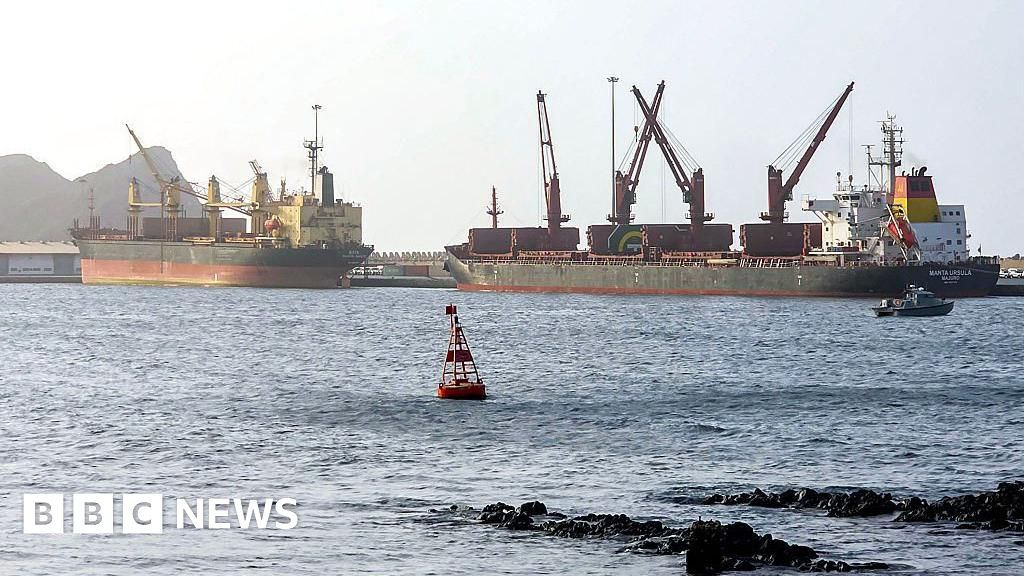
- What happened: Shipping traffic through the Bab el-Mandeb strait slowed on July 27 following Houthi attacks on Saudi oil installations along the Red Sea coast. Overall transit through strategic chokepoints including the Strait of Hormuz remained suppressed.
- Who is involved: Houthi forces (Yemen), Saudi Arabia, international shipping operators, Gulf states.
- Why it matters: Repeated attacks on shipping and energy infrastructure threaten global commerce and oil prices, exacerbating economic pressures on already volatile markets. The disruptions compound the broader Middle East instability stemming from US-Iran hostilities.
Regional Roundup
Europe & Russia
Ukraine Seeks Prototype European Air Defense System by Mid-2027
Ukraine has formally requested the European defense industry provide a prototype of a next-generation continental missile defense system by mid-2027, signaling preparation for a long-term conflict against Russia. The initiative reflects Kyiv's strategy to reduce dependence on US military aid and integrate European defense frameworks.
Russian Drone Attacks Continue in Ukraine's South
Russian drone strikes on port infrastructure in Ukraine's Mykolaiv region killed one civilian and damaged three civilian vessels on July 26-27, part of an ongoing campaign targeting Ukraine's maritime trade capacity and economic infrastructure.
Berlin Pride Attack: Second Suspect Released
A second suspect detained in connection with a deadly car-ramming attack on Berlin's Pride celebrations over the weekend was released on July 27, as prosecutors continued investigations. One attacker was killed by police on July 26.
Middle East & North Africa
US Imposes Sanctions on Iranian Financial Evasion Network
The US State Department announced on July 24 new sanctions targeting Babak Zanjani and his network for enabling the Iranian regime to evade existing sanctions and finance destabilizing activities, including support for the Islamic Revolutionary Guard Corps.
Israeli Settlers Set Fire to West Bank Mosques
Israeli settlers set fire to two mosques in the West Bank on July 26 following a deadly clash, spray-painting slogans including "Jewish revenge," according to local Palestinian officials. The arson attacks escalate tensions in the occupied territory.
Asia-Pacific
South Korea Court Suspends Ex-President Yoon's Jail Term
A South Korean court handed ex-President Yoon Suk-yeol a suspended jail sentence on July 27 for violating election law, leaving him temporarily free pending appeal. The ruling reflects ongoing political instability on the peninsula.
Indonesia's Prabowo Approval Rating Drops to 51.1%
Indonesian President Prabowo Subianto's approval rating fell to 51.1% in a July 2026 poll, with voters citing poor economic performance more than eighteen months into his term as the primary concern.
Diplomatic Moves & Official Statements
-
US State Department: Announced new sanctions targeting Babak Zanjani's financial network for evading US restrictions on Iran and funding IRGC operations, demonstrating continued pressure on Tehran's economic capabilities despite the military pause.
-
Iran: Announced it will halt military strikes against the United States as long as the US bombing pause continues, signaling conditional willingness to pursue negotiation over escalation.
-
United Kingdom: Prime Minister Burnham's decision to host Zelenskiy as the first foreign visitor signals continuity with predecessor support for Ukraine and reinforces British commitment to NATO alliance during NATO-Russia tensions.
Escalation & De-escalation Watch
| Flashpoint | Direction | Key Indicator Today |
|---|---|---|
| US-Iran Conflict | ↓ de-escalating | Third consecutive night of mutual strike pause; talks cited as reason for pause |
| Ukraine (Russia War) | → steady | Continued Russian drone attacks on civilian infrastructure; Ukraine seeks European defense integration |
| Myanmar Civil Conflict | ↑ escalating | Human rights monitors report military escalation of civilian killings despite diplomatic efforts |
| Red Sea / Hormuz | ↓ slight improvement | Shipping traffic slowed but no new major incidents reported; Houthi attacks ongoing but scattered |
| South Korea Political | ↓ stabilizing | Court judgment in Yoon case provides temporary clarity on leadership vacuum |
Economic & Market Linkages
Energy Markets Remain Under Pressure from Middle East Uncertainty
Red Sea and Strait of Hormuz shipping disruptions linked to Houthi attacks and US-Iran tensions continue to suppress global crude transit and raise energy price volatility. Despite the diplomatic pause, geopolitical risk premiums remain embedded in oil pricing as long as the military situation remains fragile.
EU Defense Spending Accelerates in Response to Ukraine Demand
Ukraine's request for a European-designed air defense prototype by mid-2027 signals growing defense industry commitments in the EU, with implications for European military-industrial capacity and NATO supply chains over the medium term.
What to Watch Next
- Within 48 hours: Continued monitoring of US-Iran negotiations for signs of substantive progress or renewed military escalation. Any breakdown in talks or new attacks could rapidly reverse the current de-escalatory trend.
- Next 7 days: Middle East shipping data and oil price movements as market participants gauge sustainability of the diplomatic pause and risk of renewed hostilities.
- Next 2 weeks: South Korean political developments as ex-President Yoon's legal status remains uncertain pending appeal, potentially affecting regional geopolitical alignment.
- Mid-August 2026: Ukraine's defense meetings with European partners regarding the proposed missile defense prototype deadline and feasibility assessments.
- Ongoing: Humanitarian casualty reports from Myanmar and incident tracking in Red Sea maritime security zones.
Reader Action Items
-
Monitor daily: Reuters Middle East wire and BBC World Service for real-time updates on US-Iran negotiations and any resumption of military actions; set alerts for "Strait of Hormuz" or "Iran-US talks" keywords.
-
Track energy markets: Watch WTI crude and Brent oil price movements for geopolitical risk premiums; these provide leading indicators of escalation/de-escalation expectations in the Gulf.
-
Follow European defense news: Subscribe to defense industry sources covering Ukraine weapons procurement, as the prototype deadline may trigger new EU industrial partnerships with geopolitical implications.
Compiled from Reuters, BBC, AP News, and official government sources. Coverage limited to events after 2026-07-25.
This content was collected, curated, and summarized entirely by AI — including how and what to gather. It may contain inaccuracies. Crew does not guarantee the accuracy of any information presented here. Always verify facts on your own before acting on them. Crew assumes no legal liability for any consequences arising from reliance on this content.
Powered by
