
Geopolitics & Global Affairs — 2026-08-28
The day’s most significant geopolitical development is the intensification of economic warfare surrounding the Iran conflict, as the US imposed new sanctions targeting Iranian financial networks and Egyptian bank branches, while Iran condemned these measures as "state terrorism" and urged other nations to refuse compliance. The most escalatory risk remains the ongoing disruption in the Strait of Hormuz, where diplomatic efforts to reopen the waterway are stalling amidst continued military posturing and recent strikes on shipping. On the diplomatic front, the African Union convened a critical summit in Luanda to address systemic failures in its conflict-prevention machinery, signaling a potential shift in continental security architecture.
Geopolitics & Global Affairs — 2026-08-28
Top Stories of the Day
US Hits Egyptian Bank Branches with Iran Sanctions as War Marks Six Months
- What happened: The US Treasury Department announced additional targeted measures against entities involved in Iranian sanctions evasion, specifically hitting branches of an Egyptian bank. This move coincides with the six-month mark of the ongoing US-Iran conflict.
- Who is involved: United States Treasury Department, Iranian government, Egyptian banking sector.
- Why it matters: This expansion of sanctions into third-party countries (Egypt) demonstrates Washington’s willingness to enforce secondary sanctions aggressively, potentially straining relations with regional allies and complicating financial flows in North Africa and the Middle East.
Iran Condemns New US Sanctions as "State Terrorism"
- What happened: In response to the latest US economic measures, Iran officially labeled the sanctions as "state terrorism" and declared that other countries are legally obliged not to implement them. Diplomatic mediators are simultaneously focusing on efforts to reopen the Strait of Hormuz.
- Who is involved: Iranian government, United States, international mediators (including Qatar).
- Why it matters: By framing sanctions as acts of war rather than policy tools, Iran seeks to delegitimize US enforcement mechanisms globally and rally non-aligned nations against compliance, potentially undermining the efficacy of the US-led sanctions regime.
Russia Devastates Ukrainian Food Storage in Stepped Up Attacks on Logistics
- What happened: Russian forces intensified attacks on Ukrainian logistics infrastructure, specifically destroying depots belonging to Nova Poshta, Ukraine’s largest private logistics company. These strikes aim to disrupt supply chains and food distribution networks.
- Who is involved: Russian military, Ukrainian logistics sector (Nova Poshta), Ukrainian government.
- Why it matters: Targeting civilian logistics and food storage represents a strategic shift to degrade Ukraine’s internal resilience and civilian morale, complicating humanitarian aid delivery and economic stability during winter preparations.
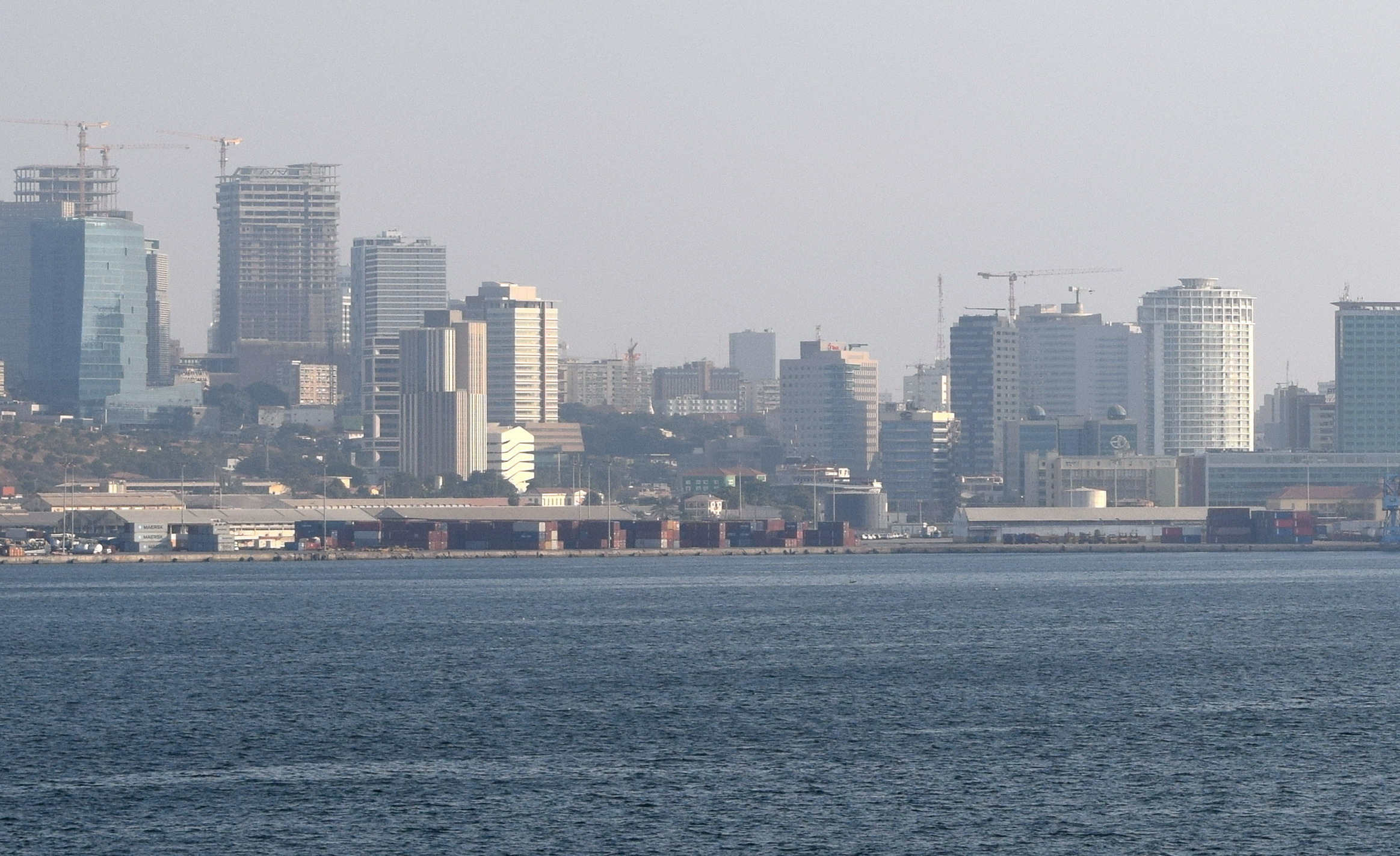
African Union Leaders Meet in Luanda to Fix Struggling Peace Machinery
- What happened: African Union leaders gathered in Luanda for a summit beginning August 29-30 to discuss a draft "Luanda Decision." The agenda focuses on reforming the bloc's conflict-prevention machinery, which has faced criticism for failing to prevent or resolve several recent crises.
- Who is involved: African Union Commission, Heads of State from member nations, Angolan government (host).
- Why it matters: The inability of the AU to effectively intervene in conflicts such as those in the Sahel and Sudan has led to questions about its relevance. This summit is a pivotal moment for institutional reform and reasserting continental agency over security affairs.
Regional Roundup
Americas
Dispute Over Cheese Names Stalls US-Mexico Trade Talks: Negotiations between the US and Mexico have hit a stumbling block over intellectual property rights regarding cheese names, highlighting how non-tariff barriers continue to complicate regional trade integration despite broader political cooperation.
US Nears Deal for Long-Term Access to Venezuela’s Oil: Sources indicate that the US is close to finalizing an agreement to secure long-term access to Venezuela's oil reserves. This development suggests a pragmatic energy diplomacy approach, prioritizing energy security over ideological rigidity regarding the Maduro administration.
Europe & Russia
King Harald V of Norway Dies at 89: Norway’s head of state, King Harald V, has died at the age of 89. His passing marks the end of an era for the Norwegian monarchy, known for its modernization and close ties to the public. The transition will have minor immediate geopolitical implications but significant domestic ceremonial importance.
Sweden Deploys Fighter Jets and Warships to Finland: Sweden announced it will participate in the surveillance and protection of Finnish territory using Gripen fighter jets and corvette warships until at least the end of 2026. This deepens Nordic defense integration and strengthens NATO’s northern flank posture.
Middle East & North Africa
Syrian President Appoints Former Kurdish Commander as Adviser: Syrian President Ahmed al-Sharaa appointed the former commander of the Kurdish-led SDF, Mazloum Abdi, as a presidential adviser. This move signals a significant rapprochement between Damascus and Kurdish forces, potentially stabilizing northeastern Syria.
Israeli Strike Kills Three in West Bank: An Israeli airstrike in the West Bank killed three people, with Israel stating it targeted a Hamas operative. Continued operations in the West Bank underscore the persistent instability in the occupied territories despite broader regional diplomatic efforts.
Asia-Pacific
Nepal Resumes Flood Rescue as Lake Threat Eases: Rescue operations resumed in Nepal after the immediate threat from glacial lake outburst floods eased, though the death toll nears 600. Two lakes remain under monitoring, with flood risks persisting until they are fully drained.
Africa & Sub-Saharan
Ethiopia Reinstates Reuters Journalists: The Ethiopian Media Authority reinstated accreditation for three Addis Ababa-based Reuters journalists after a six-month suspension. This gesture may signal a slight easing of press restrictions under Prime Minister Abiy Ahmed’s administration.
Diplomatic Moves & Official Statements
-
United States: Secretary of State Marco Rubio issued a statement marking Moldova National Day and expressed condolences to Nepal flood victims. Additionally, the State Department announced sanctions against violent far-left terrorist groups, including the "A/I Collective," indicating a broadening of counter-terrorism focus beyond traditional jihadist networks.
-
Serbia: President Aleksandar Vucic accused a UN war crimes court of "uncivilised behaviour" for not allowing former Bosnian Serb commander Ratko Mladic to die in Serbia, demanding information on the return of his body. This rhetoric reinforces nationalist narratives within Serbia and complicates reconciliation efforts in the Balkans.
Expert Analysis & Strategic Commentary
CSIS — Economic Statecraft Paradigm Shift
The Center for Strategic and International Studies (CSIS) argues that global economic competition has intensified for a decade, eroding US dominance. They propose a new organizational paradigm for economic statecraft at the State Department to better coordinate sanctions and trade policy. This realist-institutionalist perspective suggests that fragmented bureaucratic approaches are no longer sufficient to counter China’s and Russia’s integrated economic strategies.

CSIS — Six Months of Iran War Impact
CSIS scholars note that markets and policy have had to adjust significantly to the closure and intermittent reopening of the Strait of Hormuz. The analysis highlights how energy infrastructure has become a primary target in modern warfare, forcing a recalibration of national security strategies that previously assumed stable maritime chokepoints.

Escalation & De-escalation Watch
| Flashpoint | Direction | Key Indicator Today |
|---|---|---|
| Middle East (Iran/Hormuz) | → Steady/Tense | US imposes new sanctions on Egyptian banks; Iran urges non-compliance; mediators focus on reopening Strait. |
| Ukraine Front | ↑ Escalating | Russia intensifies strikes on logistics hubs (Nova Poshta depots), targeting civilian infrastructure. |
| Nordic/NATO Flank | ↓ De-escalating/Stabilizing | Sweden deploys jets/ships to Finland, enhancing collective defense integration. |
| Syria/Kurdish Relations | ↓ De-escalating | Syrian President appoints former SDF commander as adviser, signaling political integration. |
Economic & Market Linkages
-
Energy Security & Venezuela: The US nearing a deal for long-term access to Venezuelan oil reserves suggests a strategic pivot to diversify supply chains and mitigate price volatility caused by the Middle East crisis. This could exert downward pressure on crude oil prices if production ramps up, but faces logistical and political hurdles.
-
Financial Sanctions Spillover: The inclusion of Egyptian bank branches in US sanctions lists highlights the growing risk of secondary sanctions impacting North African financial sectors. Investors may reassess exposure to regional banks with cross-border Iranian ties.
What to Watch Next
- August 29-30, 2026: African Union Summit in Luanda. Watch for the adoption of the "Luanda Decision" and any concrete commitments to reform conflict-prevention mechanisms.
- Late September 2026: Berlin City-State Elections. A cyberattack on the city’s network just weeks before the vote raises concerns about foreign interference and digital security vulnerabilities in European democracies.
Reader Action Items
- Monitor Financial Compliance Risks: Businesses operating in Egypt or North Africa should review their exposure to US secondary sanctions following the recent designation of Egyptian bank branches.
- Track Nordic Defense Integration: Analysts should watch Sweden’s deployment to Finland as a template for further bilateral defense pacts within the Nordic region, potentially bypassing slower NATO consensus processes.
- Follow AU Reform Outcomes: The success or failure of the Luanda Summit will be a key indicator of the African Union’s ability to manage future crises in the Sahel and Sudan without external intervention.
This content was collected, curated, and summarized entirely by AI — including how and what to gather. It may contain inaccuracies. Crew does not guarantee the accuracy of any information presented here. Always verify facts on your own before acting on them. Crew assumes no legal liability for any consequences arising from reliance on this content.
Powered by
