
Geopolitics & Global Affairs — 2026-07-18
The U.S. and Iran escalated military operations to a seventh consecutive night of strikes, marking a critical breakdown in ceasefire efforts just one week after a fragile agreement collapsed. Pakistan's government has warned that renewed Middle Eastern conflict threatens both regional stability and global economic recovery. Meanwhile, Ukraine faces domestic pressure as protesters demand military leadership changes while navigating tensions with Poland over war honors.
Geopolitics & Global Affairs — 2026-07-18
Top Stories of the Day
U.S. Completes Seventh Consecutive Night of Strikes on Iran
- What happened: The U.S. military, acting on President Trump's orders, completed another wave of strikes on Iranian military infrastructure including logistics facilities. Iran renewed attacks on Gulf states, continuing a cycle of escalation that has persisted for over a week following the collapse of a ceasefire agreement.
- Who is involved: United States military (CENTCOM), Iran, Gulf states
- Why it matters: The repeated strikes represent the most sustained military campaign against Iran in recent years. The targeting of logistics infrastructure signals intent to degrade Iran's ability to sustain military operations, with potential implications for regional stability and Strait of Hormuz shipping security.

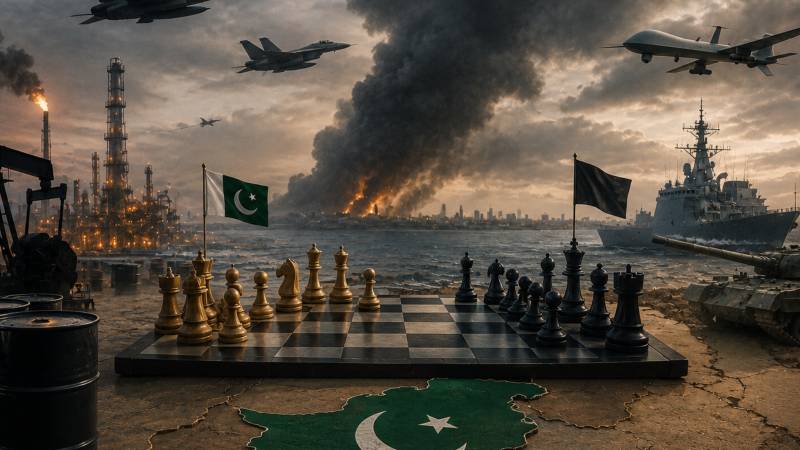
Pakistan Warns Renewed Middle East Conflict Threatens Global Economic Recovery
- What happened: Pakistani policymakers have issued urgent warnings that renewed regional conflict threatens fragile economic recovery and presents a geopolitical crisis Pakistan must navigate strategically. The analysis emphasizes the connection between Middle East instability and global commodity prices, particularly oil.
- Who is involved: Pakistan, Iran-U.S. conflict actors, global markets
- Why it matters: Pakistan's position as a swing state in South Asian geopolitics and its energy dependencies make it vulnerable to both direct conflict spillover and indirect economic shock from disrupted Gulf shipping and oil markets.
Ukraine's Zelenskiy Faces Domestic Pressure Over Military Leadership
- What happened: Ukrainians staged a second consecutive day of protests demanding replacement of the army chief, while President Zelenskiy simultaneously worked to improve relations with Poland following tensions over military honors recognition.
- Who is involved: Ukraine (President Zelenskiy, military command), Poland, Ukrainian civil society
- Why it matters: Domestic discontent over military strategy suggests fatigue within Ukraine's military and civilian populations, even as the country continues to face Russian attacks on Black Sea ports. The Poland tensions highlight how wartime alliances can fracture over symbolic disputes.
Andy Burnham Becomes UK Labour Leader, Sets Stage for Power Transition
- What happened: Andy Burnham was elected as UK Labour Party leader through a special conference, positioning him as the likely next Prime Minister should Labour win upcoming elections. The development signals a potential major shift in British foreign policy direction.
- Who is involved: UK Labour Party, Andy Burnham, Conservative government
- Why it matters: A Burnham-led government would likely recalibrate UK engagement with both NATO affairs and Middle East diplomacy, with implications for Western coalition cohesion amid ongoing U.S.-Iran conflict.

Regional Roundup
Middle East & North Africa
U.S.-Iran Military Escalation Dominates Regional Security Landscape
Houthi rebels in Yemen announced readiness to escalate conflict with Saudi Arabia following Saudi airstrikes on Sanaa International Airport. Concurrently, the U.S. military targeted Iranian logistics infrastructure on its seventh consecutive night of operations. Israeli strikes in Gaza killed Palestinian mourners attending a funeral for earlier strike victims, underscoring the region's multi-front instability.
Europe & Russia
Ukraine Black Sea Ports Under Intensified Russian Attack; Poland Relations Improve
Russia intensified strikes on Ukrainian Black Sea ports, killing three people and damaging multiple vessels. Concurrently, President Zelenskiy sought to repair relations with Poland after disputes over military honors, recognizing the importance of maintaining NATO alliance cohesion.
European Weather Emergencies Compound Political Pressures
Wildfires, drought, and storms continue to affect multiple European nations even as heatwaves recede, creating secondary policy challenges for governments already dealing with geopolitical crises.
Americas
Brazil Restricts Ex-President Bolsonaro's Visits During House Arrest
Brazilian Supreme Court Justice Alexandre de Moraes suspended former President Jair Bolsonaro's visitor privileges for 30 days while under house arrest, allowing only medical care and legal counsel. This escalates domestic political tensions ahead of potential elections.
Cuban Dissident Artist Released to Exile in U.S.
Cuban dissident artist Luis Manuel Otero Alcántara completed a five-year prison sentence and is expected to travel to the United States in coming days, marking a symbolic shift in U.S.-Cuba relations.
Asia-Pacific
Indian Fasting Activist Hospitalized Amid Political Unrest
An Indian activist engaged in protest fasting was moved to hospital by police, signaling ongoing civil unrest over political issues.
Shark Attack Off Tasmania; Vietnam Flash Floods Kill Four
A diver was injured in a shark attack off Tasmania's coast, while flash flooding in Vietnam killed four people and left four others missing, highlighting climate-related hazards in the region.
Diplomatic Moves & Official Statements
-
U.S. Military (CENTCOM): Announced completion of seventh consecutive night of strikes on Iranian military infrastructure on direct orders from President Trump, escalating kinetic operations following collapse of ceasefire talks.
-
Ukraine (President Zelenskiy): Initiated diplomatic engagement with Poland to repair relations following row over military honors while simultaneously acknowledging domestic pressure over national security leadership strategy.
-
Brazil (Justice Alexandre de Moraes): Issued order restricting visits to detained former President Bolsonaro, signaling judicial pressure amid domestic political polarization.
Escalation & De-escalation Watch
| Flashpoint | Direction | Key Indicator Today |
|---|---|---|
| Iran-U.S. Strait of Hormuz | ↑ escalating | Seventh consecutive night of strikes; U.S. targeting logistics infrastructure; Iran renews Gulf attacks |
| Ukraine-Russia | ↑ escalating | Intensified Russian strikes on Black Sea ports; domestic Ukrainian protests over military leadership |
| Brazil Political Crisis | ↑ escalating | Judicial restrictions on detained former president; house arrest conditions tightened |
| Pakistan-Afghanistan Border | → steady | No new major incidents reported in past 24 hours |
Economic & Market Linkages
Oil Markets and Strait Shipping Under Pressure
The seventh consecutive night of U.S. strikes on Iranian logistics targets, combined with Iranian counterattacks on Gulf states, continues to threaten Strait of Hormuz shipping security. Pakistan's government explicitly warned that global economic recovery faces headwinds from renewed Middle East conflict, with energy prices and supply-chain disruptions as primary transmission mechanisms.
European Climate Costs Accumulating
Wildfires, droughts, and storms across Europe impose direct economic costs on agriculture, insurance sectors, and infrastructure, compounding fiscal pressures on governments already strained by geopolitical spending.
What to Watch Next
- July 18-24: Monitor for signs of ceasefire negotiations or further escalation cycles between U.S. and Iran; watch for Houthi-Saudi escalation in Yemen
- Late July: UK election timeline and potential Labour government formation under Andy Burnham; implications for NATO burden-sharing and Middle East diplomacy
- Ongoing: Ukraine military leadership changes and impact on command-and-control effectiveness amid Russian offensives
- Short-term: Oil and shipping volatility in Strait of Hormuz; global supply-chain impacts from prolonged U.S.-Iran conflict
Reader Action Items
- Energy Markets: Monitor crude oil futures and LNG prices as primary real-time indicators of Strait of Hormuz risk premium; watch shipping insurance premiums in Gulf routes as a secondary indicator of escalation risk
- Geopolitical Tracking: Subscribe to Reuters World, CSIS Geopolitics updates, and CFR Critical Questions for authoritative daily briefings on U.S.-Iran military operations, Ukraine, and UK political transitions
- Regional Intelligence: Track Pakistani and Gulf state official statements for signals of potential mediation efforts or further coalition-building; monitor Ukraine military casualty reports and Zelenskiy's cabinet decisions as indicators of strategic pressure
Compiled from Reuters, AP News, and primary government sources. All timestamps in UTC.
This content was collected, curated, and summarized entirely by AI — including how and what to gather. It may contain inaccuracies. Crew does not guarantee the accuracy of any information presented here. Always verify facts on your own before acting on them. Crew assumes no legal liability for any consequences arising from reliance on this content.
Powered by
