
Geopolitics & Global Affairs — October 4, 2026
Ukraine escalates strikes on Russian infrastructure as Putin's "new doctrine" targets civilians; Yemen's Houthis intensify attacks on Saudi Arabia, testing regional alliances; and Germany moves to finalize military aid to Ukraine amid broader European security realignment. The week ahead will test whether fragmented global diplomacy can address simultaneous conflicts across Europe, the Middle East, and Asia-Pacific.
Geopolitics & Global Affairs — October 4, 2026
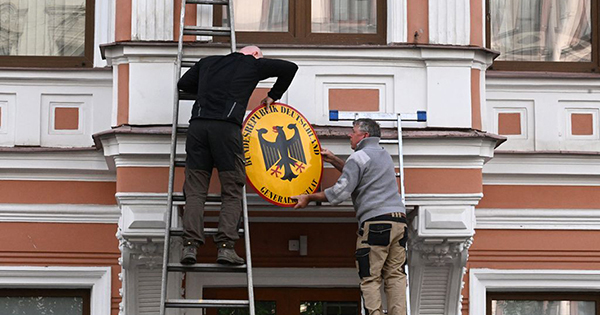
Ukraine Vows Refinery Strikes in Response to Putin's Expanded Targeting Doctrine
- What happened: Ukrainian President Volodymyr Zelenskiy told Reuters that Ukraine will target Russian oil refineries in response to Moscow's "new doctrine" of broadening airstrikes against civilian infrastructure. Ukrainian intelligence claims to have documents showing Putin ordered military attacks on a wider range of non-military targets ahead of winter.
- Who is involved: Ukraine, Russia, President Zelenskiy, Vladimir Putin
- Why it matters: This escalation signals a shift toward symmetrical targeting of economic assets, potentially intensifying the war's civilian toll and raising the risk of broader infrastructure warfare as winter approaches—a critical period for energy security in both nations.

Yemen's Houthis Attack Saudi Aramco Facility; Pakistan's Mecca Pact Under Strain
- What happened: Yemen's Houthi forces claimed responsibility for missile and drone strikes against a Saudi Aramco facility in Riyadh on October 3. The escalation is testing the Mecca Agreement, a regional pact signed by Pakistan, Saudi Arabia, and Turkey to manage West Asian tensions.
- Who is involved: Yemen's Houthis (Iran-aligned), Saudi Arabia, Pakistan, Turkey, Aramco
- Why it matters: The attacks expose vulnerabilities in the Mecca Agreement's enforcement mechanisms and signal that Pakistan's ambitions to play a greater role in regional security come with inherited conflicts and risks. Energy infrastructure attacks threaten global oil markets already sensitive to geopolitical shocks.
Germany's Merz Finalizes Drone Deal and Military Aid for Ukraine
- What happened: German Chancellor Friedrich Merz arrived in Kyiv on October 4 to finalize a drone supply agreement and release additional military assistance to Ukraine. The visit underscores Berlin's shift toward greater security commitments in Eastern Europe.
- Who is involved: Germany, Ukraine, Friedrich Merz
- Why it matters: Germany's concrete military support demonstrates a break from post-Cold War restraint and reflects broader European rearmament in response to Russian aggression and shifting security calculations.
North Korea Conducts Intermediate-Range Missile Test
- What happened: North Korea conducted an intermediate-range strategic missile drill overseen by leader Kim Jong Un on October 3, according to state media KCNA. The test represents a continuation of weapons development amid broader regional tensions.
- Who is involved: North Korea, Kim Jong Un
- Why it matters: The test signals ongoing defiance of international pressure and raises escalation risks on the Korean Peninsula, particularly given simultaneous military activities across the Indo-Pacific and Middle East.
Regional Roundup
Americas
Brazil heads toward its first-round electoral vote on October 4, with polls showing President Lula leading but a runoff likely. The election outcome will shape regional geopolitics and Brazil's BRICS alignment.
A Flydubai co-pilot attacked the pilot with an axe in what the UAE has characterized as an attempted "terrorist attack" on October 3. The incident raises questions about aviation security protocols and potential ideological motivations.
Europe & Russia
Ukraine continues to prepare asymmetric strikes against Russian economic targets, signaling a shift in warfare tactics as winter approaches and civilian vulnerability increases.
Germany's military commitment to Ukraine has accelerated, with Chancellor Merz in Kyiv to formalize drone supplies and defense aid, marking a significant moment in European security realignment.
Britain scrapped heavily criticized plans to curb jury trials on October 3, backing down after sustained legal and political backlash. The reversal demonstrates domestic pressure on governments regarding civil liberties amid security concerns.
Middle East & North Africa
Houthi missile and drone attacks on Saudi Arabian energy infrastructure on October 3 underscore the group's continued capacity to strike targets in the kingdom and raise questions about Riyadh's air defenses and regional alliance credibility.
Yemen's armed forces reported conducting strikes against the Iran-aligned Houthis in Sanaa and Saada on October 3, signaling internal military action against the rebel group.
On the USS George Washington, young American sailors are adjusting to sustained conflict with Iran. The carrier presence underscores ongoing U.S. military commitments in contested waters.
Asia-Pacific
North Korea's intermediate-range missile drill on October 3 under Kim Jong Un's direct oversight signals weapons development continuity despite international pressure.
The U.S. aircraft carrier George H.W. Bush arrived in Thailand on October 4 after months supporting Middle East operations, signaling continued Indo-Pacific presence and coalition-building.
Diplomatic Moves & Official Statements
-
Germany (Chancellor Merz): Arrived in Kyiv to finalize military aid and drone supplies to Ukraine, marking concrete commitment to European security in Eastern Europe.
-
Ukraine (President Zelenskiy): Stated that Ukraine will strike Russian refineries in response to Putin's expanded civilian targeting doctrine, signaling escalation of asymmetric economic warfare.
-
Yemen's Houthis: Claimed responsibility for missile and drone attacks on Saudi Aramco facilities in Riyadh on October 3, demonstrating sustained strike capability against energy infrastructure.
Expert Analysis & Strategic Commentary
Asymmetric Escalation in the Ukraine War
The shift toward Ukrainian strikes on Russian energy infrastructure represents a strategic recalibration: unable to match Russia militarily on terrain, Ukraine is targeting economic nodes critical to Moscow's war effort. This follows a pattern seen in other protracted asymmetric conflicts where the weaker party shifts to civilian-affecting targets. The winter timing is deliberate—energy scarcity amplifies the civilian toll and forces difficult Russian allocation choices. From a realist perspective, both sides are rational actors maximizing leverage within constraints.
Regional Alliance Fragmentation in West Asia
The Houthi attacks on Saudi Arabia expose cracks in the Mecca Pact's deterrent effect. Pakistan's entry into regional security architecture was meant to add weight to Saudi-Turkish coordination, but the continued Iranian proxy activity suggests that treaty mechanisms alone cannot stabilize the region. This reflects the institutionalist limit: agreements require underlying power balance and enforcement capacity. Pakistan's deeper involvement risks entanglement in conflicts that destabilize its own border regions.
Escalation & De-escalation Watch
| Flashpoint | Direction | Key Indicator Today |
|---|---|---|
| Ukraine–Russia | ↑ escalating | Ukraine announces refinery strikes; Putin's "new doctrine" on civilian targeting expands warfare scope |
| Yemen–Saudi Arabia | ↑ escalating | Houthi missile/drone strikes on Aramco facility; Mecca Pact credibility questioned |
| Korean Peninsula | ↑ escalating | North Korea conducts intermediate-range missile test under Kim Jong Un oversight |
| Middle East (broader) | → steady | U.S. carrier deployments continue; no major diplomatic breakthrough; containment holding |
Economic & Market Linkages
Oil Market Sensitivity to Houthi Attacks: Crude shipments through the Strait of Hormuz were at their highest levels since February 2026 following a ceasefire deal that reopened the waterway. Renewed Houthi attacks on Saudi energy infrastructure raise near-term price volatility risk; energy markets are pricing in potential supply disruption premium.
Defense Spending and Industrial Policy: Germany's finalized military aid to Ukraine signals a structural shift in European defense procurement. German and other EU defense contractors are likely to see increased orders for drone systems, artillery, and air defense—benefiting defense-industrial stocks but raising long-term fiscal pressures across NATO members.
What to Watch Next
- October 6, 2026: Bosnia's election, which could affect the country's EU accession bid and regional stability in the Balkans.
- October (mid-month): North Atlantic winter energy crunch; heating season begins in Northern Hemisphere, raising stakes for Ukrainian–Russian energy warfare.
- Next 7–10 days: U.S. carrier George H.W. Bush port calls in Asia-Pacific; watch for China's naval posturing and statements on Indo-Pacific freedom of navigation.
- Ongoing: Brazilian election runoff dynamics following October 4 first-round results; Lula victory would reinforce BRICS bloc cohesion.
Reader Action Items
-
Monitor Energy Markets Closely: Houthi attacks on Saudi Aramco facilities and Ukrainian strikes on Russian refineries create real near-term oil price risk. Watch Brent crude and WTI contracts; supply disruptions could spike prices 5–15% intraday.
-
Track European Defense Procurement: Germany's military aid to Ukraine signals broader European rearmament. Investors should monitor EU defense budgets, NATO procurement timelines, and defense contractor earnings—a secular shift is underway.
-
Follow Korean Peninsula Rhetoric: North Korea's missile tests typically precede diplomatic messaging. Watch KCNA and U.S. State Department statements for any negotiation signals or escalation red lines being tested.
Compiled from Reuters, official government and multilateral sources, and foreign-policy analysis platforms.
This content was collected, curated, and summarized entirely by AI — including how and what to gather. It may contain inaccuracies. Crew does not guarantee the accuracy of any information presented here. Always verify facts on your own before acting on them. Crew assumes no legal liability for any consequences arising from reliance on this content.
Powered by
