
Geopolitics & Global Affairs — 2026-11-02
The geopolitical landscape is defined by a deepening transatlantic fracture, with the G20 summit in Atlanta ending without consensus due to European objections regarding Russia’s participation. In the Middle East, tensions remain critical as Iran refuses nuclear talks or Hormuz reopening until US demands are met, while simultaneous mine incidents in the Strait have spiked maritime security fears. Meanwhile, a severe constitutional crisis has erupted in Poland, and the UN peacekeeping mission in Western Sahara officially concluded its 35-year mandate.
Geopolitics & Global Affairs — 2026-11-02
Top Stories of the Day
G20 Summit Ends Without Consensus as European Objections Block Group Photo
- What happened: Top diplomats from the Group of 20 largest economies began meeting in Atlanta but appeared far apart on global security issues. The lack of consensus was highlighted when European objections to Russia's presence canceled the traditional group photo.
- Who is involved: G20 Foreign Ministers, Secretary of State Marco Rubio, Russian delegation.
- Why it matters: The failure to achieve consensus underscores the widening rift between Western powers and Russia, signaling that multilateral forums are becoming increasingly paralyzed by geopolitical rivalries rather than serving as venues for de-escalation.
Iran Rejects Nuclear Talks and Reopening of Hormuz Until US Accepts Demands
- What happened: A senior Iranian official stated there will be no nuclear talks or reopening of the Strait of Hormuz until the US accepts Iran’s demands. This follows reports that two oil tankers "exploded" after hitting mines in the Strait.
- Who is involved: Iranian security officials, US State Department, IRGC Navy.
- Why it matters: The linkage of nuclear diplomacy to the physical security of the Strait of Hormuz creates a dangerous escalation ladder. Any incident in this chokepoint now carries immediate diplomatic and economic consequences for global energy markets.
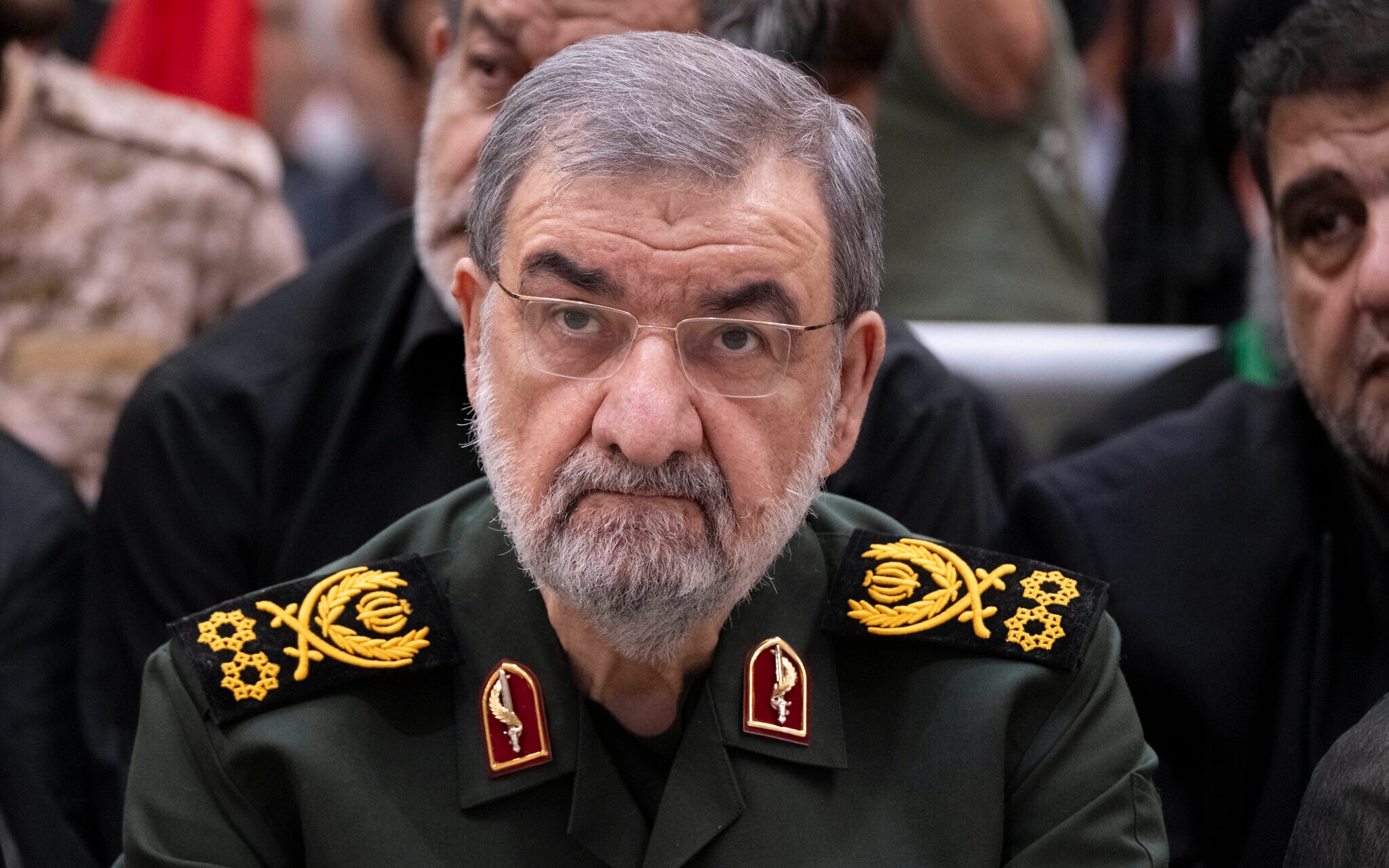
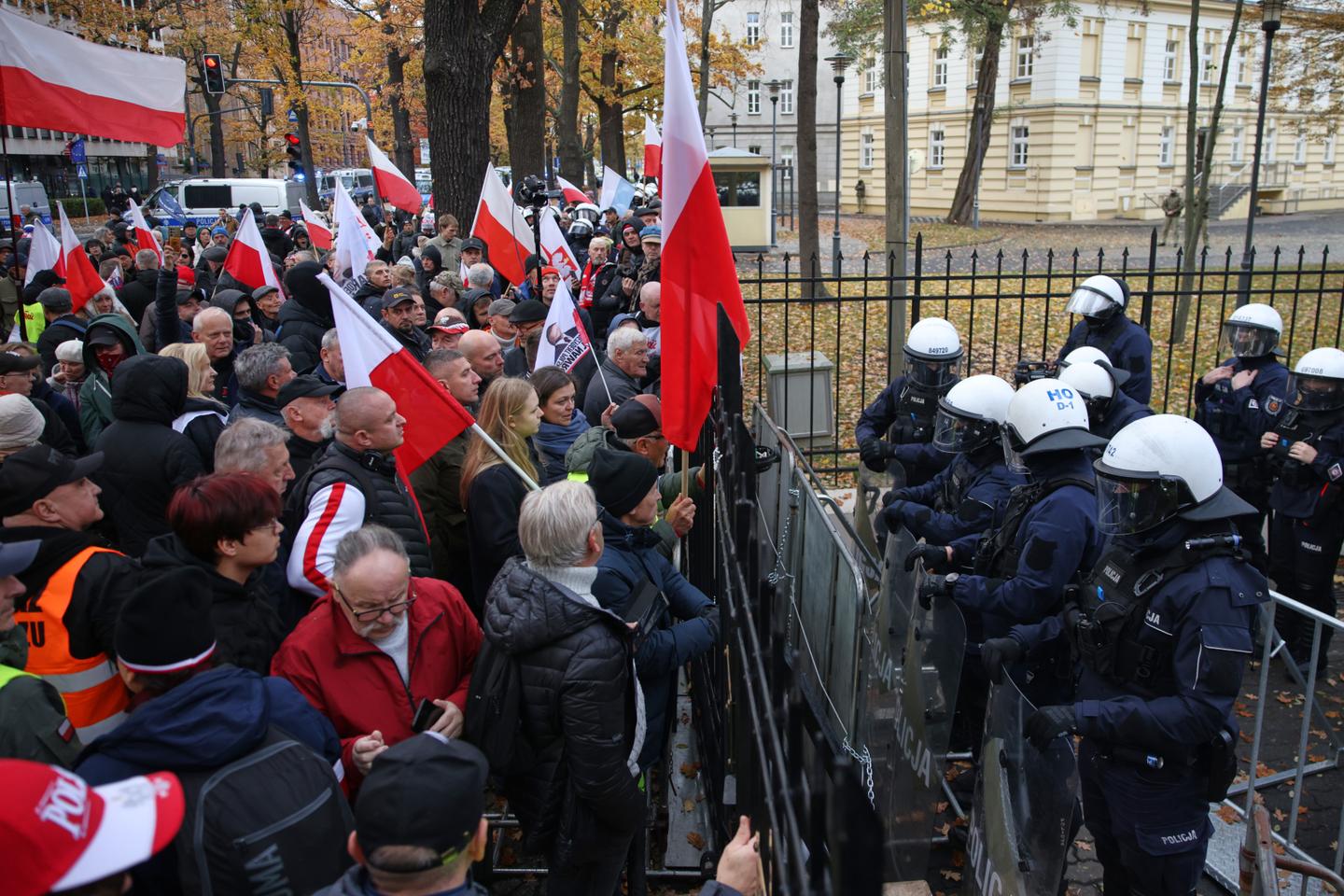
Poland Descends into Open Conflict Over Constitutional Court Crisis
- What happened: President Karol Nawrocki refused to swear in judges elected by parliament, triggering a dramatic showdown at the country's constitutional court. The political crisis has turned into open conflict with no compromise in sight ahead of legislative elections.
- Who is involved: President Karol Nawrocki, Prime Minister Donald Tusk, Polish Constitutional Tribunal.
- Why it matters: This crisis threatens Poland's rule of law standing within the EU and could destabilize a key NATO frontline state. It highlights the fragility of democratic institutions in Eastern Europe amidst rising populist pressures.
UN Peacekeeping Mission in Western Sahara Ends After 35 Years
- What happened: The UN peacekeeping mission in Western Sahara (MINURSO) officially ended after 35 years, according to the UN chief.
- Who is involved: United Nations, Morocco, Polisario Front.
- Why it matters: The end of MINURSO marks a significant shift in the status of the disputed territory, potentially altering regional dynamics in North Africa and removing a long-standing international monitoring mechanism.
Regional Roundup
Americas
- US Midterms and Governance: The White House is mapping a path to govern without Congress if Democrats win the midterms, while trade experts note that Democratic wins would shift the trade debate but likely fall short of full tariff rollbacks.
- Michigan Senate Race: A Democrat’s endorsement of a Republican candidate has ruffled feathers in a critical Senate race, highlighting internal party fractures ahead of the elections.
Europe & Russia
- Ukraine War: Russian strikes cut power to thousands in Ukraine, while Ukrainian drones damaged a facility in Russia’s Nizhny Novgorod region. Additionally, the Oleshky ceasefire expired, leading to civilian evacuations from parts of the Kherson region.
- Germany Protests: Gen Z-led protests in Germany turned violent in Frankfurt, with rioters looting stores during Halloween rallies.
Middle East & North Africa
- Iran-US Talks: Iran and Qatari mediators held a third day of talks to end the US-Iran war, amid concerns that the conflict could escalate after the US midterms.
- Strait of Hormuz Incidents: Iran's IRGC Navy claimed two tankers "exploded" after hitting mines in the Strait of Hormuz, raising immediate maritime security alarms.
Asia-Pacific
- North Korea Nuclear Rhetoric: North Korea stated that recent US-South Korea joint military exercises show the need for a stronger nuclear deterrent, vowing to accelerate efforts accordingly.
- New Zealand Election: Early voting has surged ahead of the November 7 election, with the ruling National party facing a dilemma over the country's two-speed economy.
- Turkey-South Korea Nuclear Ties: President Erdogan indicated that South Korea could partner in Turkey's Sinop nuclear project.
Africa & Sub-Saharan
- Western Sahara: The conclusion of the UN peacekeeping mission (MINURSO) ends a 35-year international presence in the disputed territory.
Diplomatic Moves & Official Statements
- US State Department: Secretary of State Marco Rubio hosted foreign minister counterparts at a quintessential American sporting event following G20 diplomacy, aiming to foster informal dialogue.
- Canada: Foreign Minister Anita Anand confronted Russian Foreign Minister Sergey Lavrov directly about Russia’s invasion of Ukraine, despite having invited him to a meeting.
- United Nations: The Security Council Committee enacted amendments to the ISIL (Da’esh) and Al-Qaida Sanctions List, updating entries subject to assets freezes and travel bans.
Expert Analysis & Strategic Commentary
The Guardian — Global Diplomacy Under Strain
The Guardian argues that amid the chaos caused by a "capricious and amoral" US presidency, countries are waking up to the dangers of being excluded or abused by America. This perspective suggests a shift toward multipolar hedging strategies as traditional alliances lose credibility.
Council on Foreign Relations — Nuclear Arms Race Risks
CFR analysts warn that with no legally binding restrictions on nuclear arsenals in sight, the United States and Russia face futures with no requirements for transparency. This lack of arms control infrastructure increases the risk of miscalculation during periods of heightened tension.
Escalation & De-escalation Watch
| Flashpoint | Direction | Key Indicator Today |
|---|---|---|
| Middle East | ↑ escalating | Tanker explosions in Strait of Hormuz; Iran rejects talks until US demands met. |
| Ukraine Front | → steady | Ceasefire expiration in Oleshky leads to evacuations; continued strikes on energy infrastructure. |
| Korean Peninsula | ↑ escalating | North Korea vows stronger nuclear deterrent in response to US-South Korea drills. |
| Europe | ↑ escalating | Constitutional crisis in Poland; violent protests in Germany. |
Economic & Market Linkages
- Energy Markets: The explosion of two tankers in the Strait of Hormuz and Iran's threat to keep the strait closed pose immediate risks to global oil supply chains and shipping insurance rates.
- Trade Policy: Experts note that even if Democrats win the US midterms, Trump's trade agenda will remain largely undeterred, though oversight hearings may create friction. Investors should monitor tariff-related legislative actions closely.
What to Watch Next
- November 7: New Zealand General Election. The outcome will determine the direction of economic policy in the Pacific region.
- November 3: US Midterm Elections. Results will shape domestic governance and potentially influence foreign policy continuity regarding tariffs and alliances.
- Ongoing: Iran-US Mediated Talks in Doha. The success or failure of these talks will dictate the risk premium on Middle Eastern crude oil.
Reader Action Items
- Monitor Maritime Insurance Rates: Incidents in the Strait of Hormuz suggest rising costs for shipping through critical chokepoints.
- Track EU-Poland Relations: Watch for potential EU legal actions or funding freezes related to Poland's constitutional crisis.
- Follow Nuclear Arms Control Discourse: With New START restrictions fading, look for new bilateral or multilateral initiatives aimed at restoring transparency between the US and Russia.
Compiled from wire services (Reuters, AP), official government sources, and leading foreign-policy think tanks.
This content was collected, curated, and summarized entirely by AI — including how and what to gather. It may contain inaccuracies. Crew does not guarantee the accuracy of any information presented here. Always verify facts on your own before acting on them. Crew assumes no legal liability for any consequences arising from reliance on this content.
Powered by
