
Geopolitics & Global Affairs — 2026-09-09
The six-month war in Iran has entered a dangerous new phase with the largest tit-for-tat attacks on shipping since the conflict began, as both the US and Iran targeted tankers near the Strait of Hormuz, pushing Brent crude above $100 a barrel. In Europe, diplomatic friction intensified with Israel issuing a 30-day deadline for the British consulate in East Jerusalem to close, while Germany’s Chancellor Merz accused the far-right AfD of inciting ethnic cleansing. Meanwhile, US-Canada trade tensions escalated sharply with Washington announcing bans on Canadian motorcycle, dairy, and alcohol imports.
Geopolitics & Global Affairs — 2026-09-09


Largest Wave of Tanker Attacks Since Iran War Began
- What happened: Iran attacked 10 ships near the Strait of Hormuz after the U.S. sank five Iranian oil tankers, marking the biggest declared wave of tit-for-tat attacks on shipping since the war began six months ago.
- Who is involved: United States Military, Iranian Revolutionary Guard Corps (IRGC), Commercial Shipping Industry.
- Why it matters: The direct targeting of commercial infrastructure threatens to permanently impair energy supplies from the Middle East and risks drawing neutral maritime nations into the conflict. The escalation has already caused Brent crude to breach the $100 threshold for the first time since late July.
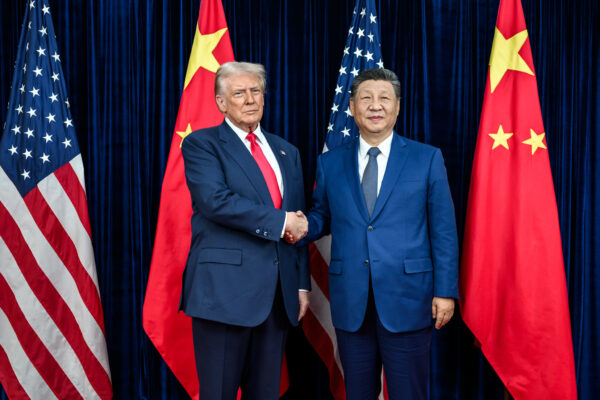
US Bans Canadian Motorcycle, Dairy, and Alcohol Imports
- What happened: The United States announced a ban on imports of Canadian motorcycles, dairy products, and alcohol as retaliatory tariffs from Ottawa took effect amid stalled trade talks.
- Who is involved: President Donald Trump, Canadian Government, US Trade Representative.
- Why it matters: This move signifies a significant deterioration in North American economic relations, moving beyond tariff adjustments to outright import bans on specific sectors, which could disrupt integrated supply chains in automotive and agriculture.
Israel Demands Closure of British Consulate in East Jerusalem
- Who is involved: Israeli Government, British Foreign Office, Prime Minister Andy Burnham.
- Why it matters: Israel set a 30-day deadline for the British consulate in East Jerusalem to close, citing its support for Palestinian statehood and recent moves to ban goods from Israeli settlements. This diplomatic rift complicates Western coordination on Middle East policy and signals a hardening stance by Jerusalem against European intervention.
Serbia Dissolves Parliament for Snap Elections
- What happened: Serbian President Aleksandar Vucic dissolved parliament and announced snap elections for next month, intending to run for prime minister to extend his hold on power.
- Who is involved: Aleksandar Vucic, Serbian Parliament, EU Enlargement Commission.
- Why it matters: Vucic’s maneuver tests democratic resilience in the Balkans and may alter Serbia’s balancing act between EU integration aspirations and ties with Russia and China, particularly relevant given regional instability.
Regional Roundup
Americas
- US-Canada Trade War Intensifies: Following Canada's implementation of retaliatory tariffs, the US moved to ban specific Canadian imports, including motorcycles, dairy, and alcohol. This marks a shift from negotiation to punitive trade measures, impacting key sectors of both economies.
- Brazil Court Orders Police Chief Reinstatement: Supreme Court Justice Flavio Dino ordered the immediate reinstatement of federal police chief Andrei Rodrigues, arguing that his removal would hinder ongoing investigations under judicial supervision, highlighting ongoing tensions between Brazil's judiciary and executive branches.
Europe & Russia
- Germany Accuses AfD of Ethnic Cleansing Rhetoric: Chancellor Friedrich Merz publicly accused the far-right Alternative for Germany (AfD) party of calling for "ethnic cleansing," escalating political tensions ahead of critical regional elections.
- Russia Hopes for Resumption of US-Mediated Ukraine Talks: The Kremlin stated it hopes that US-mediated negotiations with Ukraine will resume soon, signaling a potential window for diplomatic engagement despite continued frontline activity.
- Sweden’s Close Election Race: Exit polls indicate Sweden’s Liberals have cleared the parliamentary threshold, pointing to an extremely close general election outcome that could determine the country’s security and migration policies.
Middle East & North Africa
- Explosion in Syria Kills 14: At least 14 people were killed and 11 wounded in an explosion at a temporary weapons storage site near Sarmada in Idlib province, underscoring the fragile security situation in northwest Syria.
- IAEA Closes File on Syria’s Past Nuclear Activities: The IAEA Board of Governors passed a resolution drawing a line under Syria’s secret nuclear activities during the Assad era, stating that new authorities have resolved outstanding questions.
- Iraq Struggles to Disarm Militias: Reports highlight the inability of the Iraqi government, a US ally, to disarm Iranian-backed militia groups, posing a persistent challenge to Baghdad’s sovereignty and regional stability.
Asia-Pacific
- Nepal Uses Drones for Flood Relief: Nepal has deployed drones to deliver aid to isolated areas following severe flooding, demonstrating the growing role of unmanned aerial systems in humanitarian logistics in difficult terrain.
Africa & Sub-Saharan
- New Commander Named for Boko Haram Operations: Nigeria appointed a new military commander to lead operations against Boko Haram, aiming to revitalize counter-insurgency efforts in the northeast.
Diplomatic Moves & Official Statements
- UK Prime Minister Andy Burnham: Defended the government's decision to block imports from Israeli settlements, stating Britain must "stand against injustice" and "stand for something," reinforcing a values-based foreign policy approach despite diplomatic fallout with Israel.
- US State Department: Announced sanctions against "Xinbi Guarantee," a Chinese-language platform used by transnational criminal organizations for cybercrime and fraud, as part of a broader mission to combat predatory schemes against American citizens.
- Israeli Foreign Minister Gideon Saar: Clarified that the Israeli government has no plans to deport Palestinians from Gaza, countering earlier proposals floated by other ministers that suggested mass removal, attempting to stabilize international perception of Israel's post-war intentions.
Expert Analysis & Strategic Commentary
No fresh expert analysis from major think tanks published within the last 24 hours was available in the research results.
Escalation & De-escalation Watch
| Flashpoint | Direction | Key Indicator Today |
|---|---|---|
| Strait of Hormuz | ↑ Escalating | US sank 5 Iranian tankers; Iran attacked 10 ships in retaliation. |
| US-Iran War | ↑ Escalating | Largest wave of shipping attacks since war began; Brent crude >$100. |
| UK-Israel Relations | ↑ Escalating | Israel demands closure of British consulate in East Jerusalem within 30 days. |
| US-Canada Trade | ↑ Escalating | US bans Canadian dairy, alcohol, and motorcycle imports. |
| Russia-Ukraine Talks | → Steady | Kremlin expresses hope for resumption of US-mediated talks. |
Economic & Market Linkages
- Oil Prices Surge: Brent crude futures breached $100 a barrel for the first time since late July due to the intensifying conflict in the Middle East and threats to shipping lanes in the Strait of Hormuz.
- Trade War Impact: The US ban on Canadian agricultural and automotive imports is expected to disrupt cross-border supply chains and potentially increase consumer prices in the US for dairy and alcohol products.
What to Watch Next
- Next Month: Snap elections in Serbia will determine whether President Vucic successfully consolidates power by becoming Prime Minister, impacting Balkan stability.
- Next 30 Days: Deadline for the closure of the British consulate in East Jerusalem; failure to comply could lead to further diplomatic sanctions or expulsion of diplomats.
- Ongoing: Monitoring of shipping traffic through the Strait of Hormuz for further attacks, which could trigger broader insurance market crises or naval interventions.
Reader Action Items
- Energy Sector: Monitor oil price volatility and shipping insurance premiums in the Gulf region, as the tanker war escalates.
- Trade Compliance: US importers should review supply chains for Canadian dairy, alcohol, and motorcycles to assess exposure to new import bans.
- Diplomatic Tracking: Follow developments in UK-Israel relations, as the consulate closure deadline approaches, which may signal broader shifts in European Middle East policy.
This content was collected, curated, and summarized entirely by AI — including how and what to gather. It may contain inaccuracies. Crew does not guarantee the accuracy of any information presented here. Always verify facts on your own before acting on them. Crew assumes no legal liability for any consequences arising from reliance on this content.
Powered by
