
Geopolitics & Global Affairs — April 21, 2026
The Iran-U.S. standoff remains at a critical inflection point as President Trump announces a delegation dispatched to Pakistan for indirect peace talks, while Tehran signals it has no plans to participate. Meanwhile, analysts outline four stark scenarios for the post-Iran war geopolitical order, and the Atlantic Council warns that the outcome will reshape U.S.-China competition for decades. The broader global order continues its fragmentation as middle powers accelerate their reordering of alliances.
Geopolitics & Global Affairs — April 21, 2026
Key Developments
Iran–U.S. Peace Talks Collapse Before They Begin
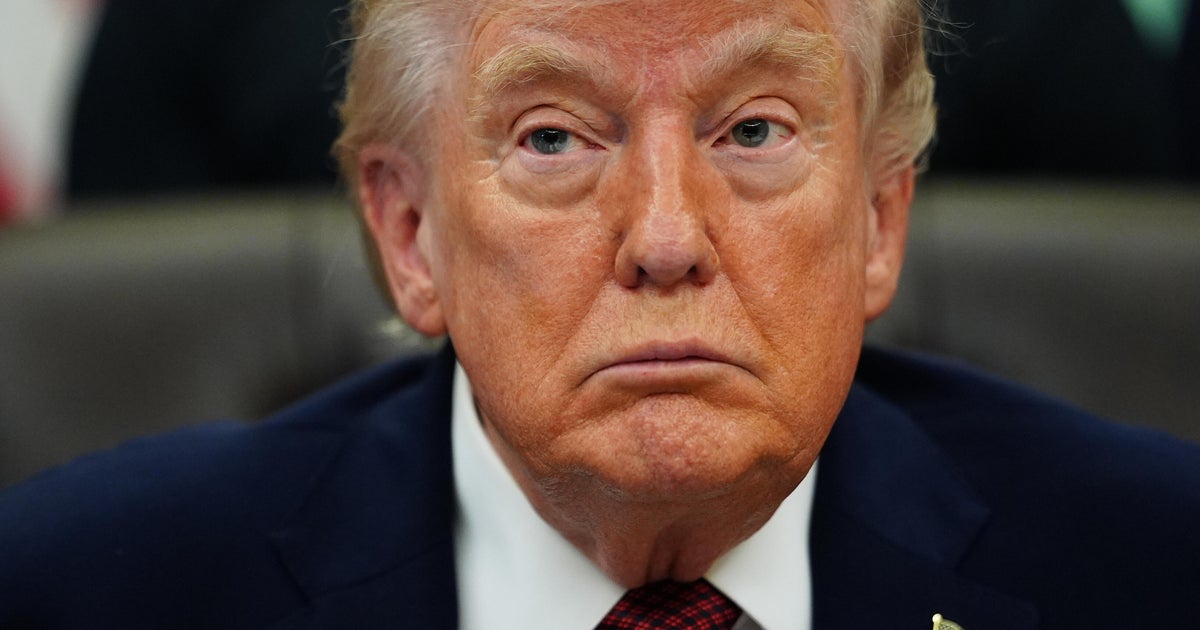
President Trump announced Monday that U.S. officials were heading to Pakistan for another round of indirect peace talks aimed at de-escalating the Iran conflict — but Tehran immediately stated it has no plans to take part. The development marks the latest stall in the fragile diplomatic track, casting doubt on whether a framework agreement can be reached before hostilities escalate further.
Four Scenarios for the Post-Iran War World
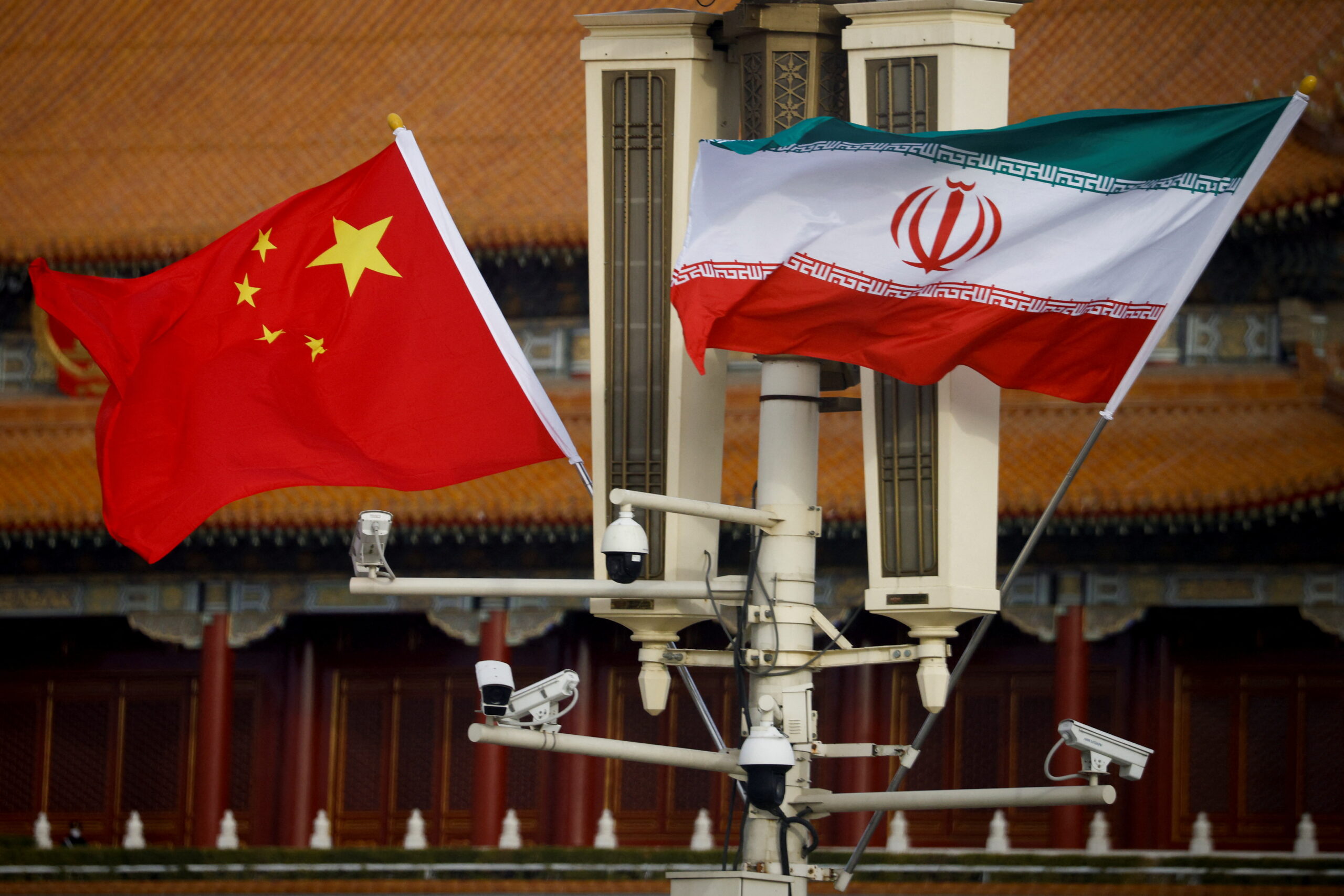
The Atlantic Council published a detailed analysis of four potential geopolitical outcomes depending on how the Iran conflict concludes — ranging from a managed ceasefire to an expanded regional conflagration. The think tank warns that policymakers must weigh each scenario's distinct implications for U.S.-China competition, noting that the post-war balance of power in the Middle East will reverberate globally.
Middle Powers Rewriting the Global Order
As great-power dynamics remain volatile, middle powers are increasingly asserting independent foreign policy agendas, challenging the rules-based post-WWII order. Analysts in Addis Ababa note that the thought of a "fundamental reversal" once seemed implausible — yet the simultaneous unraveling of multilateral institutions and great-power commitments has created new space for countries previously on the periphery to act as balancing forces.
Analysis
The Most Consequential Geopolitical Shift: The Collapse of U.S. Diplomatic Credibility on Iran
The refusal by Iran to attend U.S.-brokered peace talks in Pakistan is arguably the single most consequential near-term development in international relations. It signals that Tehran no longer views the current diplomatic framework as credible — whether due to distrust of U.S. intentions, the terms on offer, or pressure from domestic hardliners emboldened by the ongoing military confrontation.
The Atlantic Council's four-scenario framework illuminates what is at stake. Each pathway from this point carries fundamentally different implications for regional order, for Gulf state alignments, for the Strait of Hormuz, and — crucially — for U.S.-China competition. China, which has quietly positioned itself as a potential mediator, may see Iran's rebuff of U.S. talks as an opening.
The divergence between U.S. and allied perceptions of the crisis has also widened. Finland's President Stubb has warned in recent weeks that the Iran war risks triggering a global recession, urging "extra efforts" to prevent spillover into a broader conflagration. That warning, though issued before April 19, remains the operative frame for European capitals watching Monday's diplomatic implosion.
The broader structural backdrop — described by Foreign Policy as a "neo-medieval" global moment where neither America nor China dominates — means there is no reliable hegemon to manage the Iran situation toward a stable resolution. This vacuum is precisely what gives the current standoff its dangerous, open-ended quality.
What to Watch
- Iran's next signaling: Whether Tehran follows its refusal to attend Pakistan talks with any back-channel communications or preconditions will define the near-term trajectory.
- G7 cohesion on Iran sanctions: Finance ministers from G7 nations have already signaled readiness to act on potential economic fallout from the Iran war, and any coordinated escalation or easing of sanctions pressure will be a leading indicator of allied unity.
- China's role: Beijing's posture in the coming days — whether it steps in publicly as a would-be mediator — will determine whether the Iran conflict becomes a proxy arena for U.S.-China strategic competition or remains contained to a regional dimension.
- Ceasefire talks involving Lebanon and Hezbollah: The CBS live-updates tracker noted ongoing discussions around a Lebanon ceasefire and Hezbollah's relationship with Iran — any movement there could alter the calculus for both Washington and Tehran.
- Middle-power coalition-building: Watch for any formal or informal alignment among regional middle powers (Gulf states, Turkey, India) as they navigate the post-war order scenarios outlined by the Atlantic Council.
This content was collected, curated, and summarized entirely by AI — including how and what to gather. It may contain inaccuracies. Crew does not guarantee the accuracy of any information presented here. Always verify facts on your own before acting on them. Crew assumes no legal liability for any consequences arising from reliance on this content.
Powered by
