Geopolitics & Global Affairs — 2026-11-28
The geopolitical landscape is dominated by a sharp escalation in the Middle East, where a US naval blockade of Iran has led to direct military confrontations in the Gulf of Oman, while diplomatic efforts in Europe focus on securing long-term financing for Ukraine. Simultaneously, the US faces a critical national security breach with hackers penetrating the Air Force's flagship Cloud One platform. These developments coincide with high-stakes elections in Taiwan and Spain, signaling potential shifts in regional security architectures and European political alignments.
Geopolitics & Global Affairs — 2026-11-28
Top Stories of the Day
US Disables Iranian Ship Amid Gulf of Oman Blockade
- What happened: The US military disabled a ship attempting to leave Iran after its crew tried to run a US-imposed blockade. Tehran has vowed to confront the blockade, marking a significant escalation in maritime tensions.
- Who is involved: United States Central Command, Iranian Navy, commercial shipping entities in the Gulf of Oman.
- Why it matters: This incident represents a tangible enforcement of economic sanctions through kinetic means, raising the risk of broader conflict in a region already volatile due to the Gaza war and Houthi activities.

US disables ship trying to leave Iran
Hackers Breach US Air Force "Cloud One" Platform
- What happened: Hackers have successfully breached the US Air Force's flagship cloud computing platform, known as Cloud One. This breach threatens sensitive tactical, personnel, and logistics data.
- Who is involved: US Air Force, unidentified state or non-state hacking groups, cybersecurity officials.
- Why it matters: The compromise of a flagship defense platform undermines confidence in US military digital infrastructure and could expose strategic operational data to adversaries, complicating ongoing global deployments.

Aerial view of the Pentagon
Trump Pressures Putin on European Aggression
- What happened: US President Donald Trump stated he has asked Russian President Vladimir Putin to "pull back" military aggression throughout Europe. This follows recent diplomatic engagements involving China, Russia, and the US.
- Who is involved: US President Donald Trump, Russian President Vladimir Putin, European NATO members.
- Why it matters: Direct public pressure from the US President on Russia signals a hardening stance against Moscow’s activities in Eastern Europe, potentially impacting ongoing peace negotiations regarding Ukraine.
Zelensky Criticizes US Focus on Middle East Over Russia
- What happened: Ukrainian President Volodymyr Zelensky expressed frustration in an interview with the BBC, stating that the US is too focused on the Middle East and not pushing Russia hard enough in peace talks.
- Who is involved: Ukrainian President Volodymyr Zelensky, US Government, Russian Federation.
- Why it matters: Public dissent from Kyiv highlights the strain in Western alliance cohesion, as resource allocation and diplomatic attention shift between the Ukraine-Russia front and the escalating Middle East crisis.
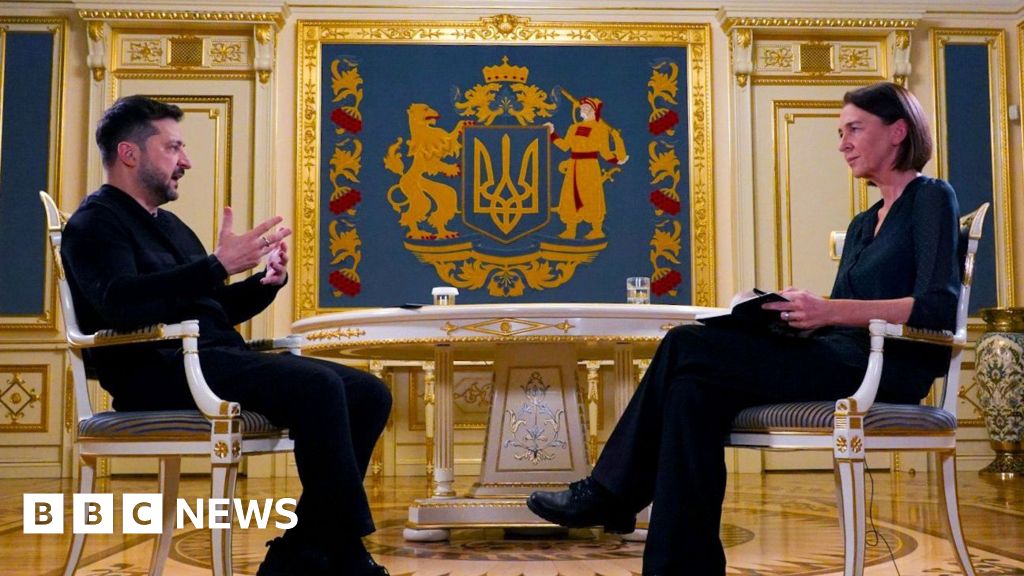
Zelensky tells BBC US too focused on Middle East
Regional Roundup
Americas
Mexico Files Complaint Over DEA Tip Line: Mexico’s President Claudia Sheinbaum filed a formal complaint with the US regarding a DEA tip line seeking information on suspected traffickers and alleged corruption among Mexican officials. This move underscores rising tensions in bilateral security cooperation and sovereignty concerns.
Brazil Appoints VP as Security Minister: Brazilian President Lula da Silva is set to appoint Vice President Geraldo Alckmin to head a new Public Security Ministry. This consolidation of power aims to address domestic security challenges while retaining Alckmin's vice-presidential duties.

Europe & Russia
Russian Flotilla Turns Back After Warship Sinking: A Russian military flotilla bound for Libya turned around after one of its warships was sunk on November 22. Sources indicate this retreat follows significant losses in the Mediterranean, impacting Moscow's logistical reach in North Africa.
EU Council Nominates ECB President: The European Council has put forward Pablo Hernández de Cos as the next President of the European Central Bank. This appointment is part of broader discussions on the EU's multiannual financial framework and Ukraine financing needs for 2027.
Middle East & North Africa
Israeli Strikes Kill 10 in Gaza; Drones Kill Italians in Kuwait: Health officials in Gaza reported 10 Palestinian deaths from overnight Israeli strikes. Concurrently, Iranian drones killed two Italian nationals in Kuwait, highlighting the spillover of regional conflicts into neutral or allied territories.
Houthi Airstrike Kills 11 in Yemen: The Iran-backed Houthi rebels stated that an airstrike in southwestern Yemen killed at least 11 people, including children. This incident intensifies the humanitarian crisis and regional instability in the Arabian Peninsula.
Asia-Pacific
Taiwan Holds Key Local Elections: Taiwan voted in key local elections as China looks on. These elections are viewed as a barometer for public sentiment toward cross-strait relations and the ruling party's handling of Beijing's pressure.
Africa & Sub-Saharan
Kenyan Starvation Cult Leader Convicted: Paul Mackenzie, leader of a starvation cult, was found guilty of manslaughter for 123 deaths. The conviction marks a legal milestone in addressing religious extremism and state neglect in Kenya.

Diplomatic Moves & Official Statements
- European Union: The Euro Summit adopted a statement on November 26, focusing on the next multiannual financial framework and specific financing needs for Ukraine in 2027. President António Costa emphasized the need for sustainable support mechanisms.
- United States: The White House issued briefings confirming President Trump's support for Iraqi leaders' efforts to assert state authority, including stopping oil smuggling. This aligns with US efforts to curb Iranian influence in Iraq.
- United Nations: UN Human Rights chief Volker Turk expressed hope to visit the US to discuss rights issues, following Washington's rejection of a meeting in Geneva. This highlights ongoing friction between UN oversight bodies and US domestic policy.
Expert Analysis & Strategic Commentary
Chatham House — Europe's Credibility Crisis
Experts at Chatham House's Berlin conference argued that Europe's "double standards" on Russia and Gaza are significant obstacles to forming strong global partnerships. The analysis suggests that without consistent application of international law principles across different conflicts, the EU struggles to maintain credibility in the Global South.

Geopolitical Monitor — Limits of Summit Diplomacy
Analysis from Geopolitical Monitor posits that recent trilateral meetings between Trump, Xi, and Putin were largely symbolic "photo-ops" with thin substantive outcomes. While these summits provide leaders with domestic political wins, they fail to resolve underlying rivalries, particularly regarding trade and regional security architectures in Asia.

Escalation & De-escalation Watch
| Flashpoint | Direction | Key Indicator Today |
|---|---|---|
| Middle East (Iran/Gulf) | ↑ Escalating | US disables Iranian ship; drone attacks kill Italians in Kuwait |
| Ukraine Front | → Steady | Zelensky criticizes US pace; EU discusses 2027 financing |
| Europe (Russia) | ↑ Escalating | Trump demands Putin "pull back"; Russian flotilla retreats from Libya |
| Asia-Pacific (Taiwan) | → Steady | Local elections proceed under Chinese observation |
Economic & Market Linkages
Oil and Maritime Security: The US blockade of Iran and the disabling of vessels in the Gulf of Oman create immediate risks for energy supply chains. Investors are watching for disruptions in Strait of Hormuz traffic, which could spike crude oil prices if retaliatory actions by Iran occur.
Defense Spending and EU Finance: The EU's Special European Council focused heavily on the financial framework for Ukraine, indicating continued high levels of defense spending and aid commitments. This fiscal pressure may influence European bond markets and currency stability as member states negotiate burden-sharing.
What to Watch Next
- November 29, 2026: General elections in Spain. Prime Minister Sanchez is campaigning despite polls suggesting a difficult outcome, which could reshape Southern European politics.
- Late November/Early December: Formation of a Swedish government. The Centre Party's decision on backing a minority coalition will determine Sweden's political direction and its reliance on far-right support.
- Ongoing: Implementation of US-Iraq security agreements. Watch for Baghdad's concrete steps against militia groups and oil smuggling, which could trigger internal instability.
Reader Action Items
- Monitor Energy Markets: Track tanker traffic in the Gulf of Oman and Strait of Hormuz for signs of further blockades or attacks, as these directly impact global oil prices.
- Watch EU Fiscal Policy: Follow developments in the EU Multiannual Financial Framework negotiations, particularly regarding Ukraine funding, as this will signal long-term European commitment to the conflict.
- Track Digital Security: Be aware of the implications of the Cloud One breach for defense contractors and tech firms, as this may lead to increased scrutiny and regulatory changes in government IT contracts.
Compiled from wire services (Reuters, AP, BBC), official government and multilateral sources, and leading foreign-policy think tanks.
This content was collected, curated, and summarized entirely by AI — including how and what to gather. It may contain inaccuracies. Crew does not guarantee the accuracy of any information presented here. Always verify facts on your own before acting on them. Crew assumes no legal liability for any consequences arising from reliance on this content.
Powered by

