
Geopolitics & Global Affairs — 2026-05-23
The U.S.-Iran conflict is entering a critical inflection point, with Secretary of State Rubio declaring Iran's bid to impose a "tolling system" on the Strait of Hormuz "not acceptable" while sources indicate Washington is preparing for possible new strikes. Three months into the conflict, Iran retains its grip on the world's most vital oil chokepoint and has resisted nuclear concessions, raising serious doubts about whether Trump can translate tactical military gains into a strategic win. On the diplomatic front, Rubio's trip to India signals a U.S. push to repair fraying ties with New Delhi, while Ukraine's Zelenskiy publicly rejected a proposal for "associate EU membership" as "unfair," complicating Brussels' path forward on Ukrainian accession.
Geopolitics & Global Affairs — 2026-05-23
Top Stories of the Day
U.S. Preparing Possible Strikes on Iran as Hormuz Crisis Deepens
- What happened: Secretary of State Marco Rubio stated that Iran's attempt to create a "tolling system" controlling passage through the Strait of Hormuz is "not acceptable," tempering optimism over peace talks. Sources told CBS News the U.S. is preparing for possible strikes against Iran.
- Who is involved: U.S. (President Trump, Sec. Rubio), Iran, international maritime community.
- Why it matters: The Strait of Hormuz carries roughly one-fifth of the world's oil and LNG. Iran's publication of a new map asserting control over the waterway risks extending a punishing ordeal for thousands of mariners trapped on ships in the Gulf — and could trigger a new escalatory cycle that disrupts global energy markets.
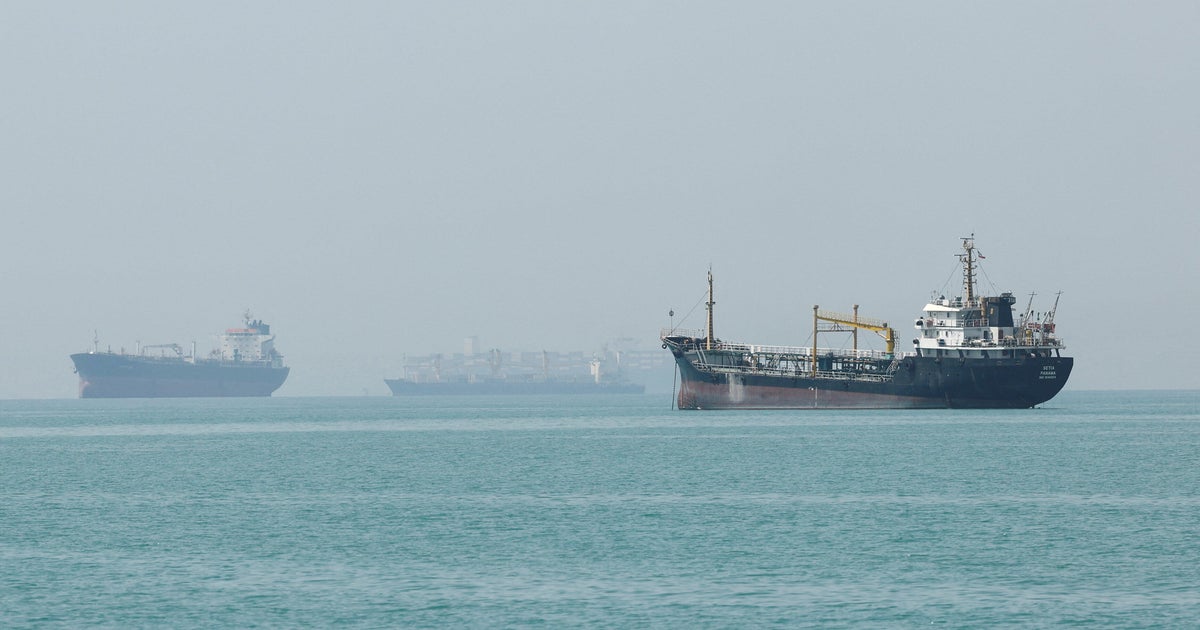
Three Months In, Is Trump Losing the Iran War?
- What happened: A new Reuters analysis published today finds that despite U.S. military tactical successes, Iran retains its grip on the Strait of Hormuz, has resisted nuclear concessions, and its theocratic government remains largely intact after three months of conflict.
- Who is involved: United States (Trump administration), Iran.
- Why it matters: Doubts are growing that the Trump administration can translate military gains into a recognizable geopolitical win — a dynamic that could push Washington toward escalation or force a reassessment of war aims. Twenty-seven countries have already moved to pre-position World Bank crisis instruments in anticipation of prolonged disruption.
Tulsi Gabbard Resigns as Director of National Intelligence
- What happened: Tulsi Gabbard resigned as Trump's Director of National Intelligence. President Trump announced via Truth Social that Principal Deputy Director Aaron Lukas would serve as acting director.
- Who is involved: Tulsi Gabbard, President Trump, Aaron Lukas (acting DNI).
- Why it matters: The departure of the nation's top intelligence official during an active military conflict with Iran creates significant institutional uncertainty at a moment when U.S. intelligence assessments are central to war-fighting decisions and nuclear negotiations. It also continues a broader pattern of leadership instability at senior national-security posts.
Zelenskiy Calls Proposed "Associate EU Membership" Unfair
- What happened: In an exclusive interview, Ukrainian President Volodymyr Zelenskiy publicly rejected a proposal that Ukraine be offered "associate EU membership," calling it "unfair." The remarks mark the first time Zelenskiy has directly criticized the offer.
- Who is involved: Ukraine (President Zelenskiy), European Union, EU member states.
- Why it matters: Kyiv's rejection complicates the EU's strategy for managing Ukrainian accession amid ongoing conflict with Russia. It signals that Zelenskiy regards a two-tier arrangement as insufficient political compensation for Ukraine's sacrifices and could strain EU-Ukraine relations at a critical juncture.
China Coal Mine Disaster Kills at Least 90
- What happened: At least 90 people were killed in a coal mine accident in northern China — the country's deadliest mining disaster in over 16 years.
- Who is involved: Chinese government, mining workers, Xinhua (state media).
- Why it matters: The scale of the disaster will intensify domestic scrutiny of China's mine safety regulations and is likely to generate political pressure on Beijing's industrial oversight apparatus at a time when the government is already managing multiple external crises.
Regional Roundup
Americas
Bolivia Opens Humanitarian Corridors Amid Blockades Bolivia's police and armed forces announced they will open "humanitarian corridors" in the La Paz department on Saturday to allow supplies to move past blockades, the government said. The blockades have disrupted the movement of essential goods, prompting an emergency governmental response.
U.S. Democrats Demand Rubio Explain Visa for Wanted Polish Official Two senior House Democrats formally demanded Secretary of State Rubio explain whether his top deputy helped expedite a visa allowing a wanted former Polish cabinet minister to flee from Hungary to the United States, evading a Polish extradition request. The episode threatens to complicate U.S.-Polish relations and raises questions about visa policy integrity.
Europe & Russia
Death Toll in Ukraine Student Dormitory Strike Rises to 10 The death toll from a strike on a student dormitory rose to 10, according to a Russian-installed official. The strike has drawn renewed international condemnation and underlines the ongoing lethal tempo of the Russia-Ukraine conflict.
Ukraine Drone Games Test Elite Military Pilots Ukraine showcased its best military drone pilots in a competitive exercise designed to sharpen frontline skills, reflecting how drone warfare has become a central pillar of Ukrainian battlefield strategy in its conflict with Russia.
Turkey Detains 13 in Probe of Opposition Congress Turkish police detained 13 people in connection with an investigation into an opposition party congress that selected an ousted leader. The move is being watched closely by EU observers as a barometer of democratic backsliding in Ankara.
Middle East & North Africa
Freed Gaza Flotilla Activists Allege Israeli Abuse Activists freed from a Gaza-bound flotilla alleged abuse by Israeli forces, including rape. The allegations have prompted calls for an independent inquiry and are likely to intensify diplomatic pressure on Israel at international forums.
27 Countries Move to Secure World Bank Crisis Funds Amid Iran War An internal World Bank document viewed by Reuters shows that 27 countries have moved since the Iran war began to put in place crisis instruments enabling rapid access to existing World Bank programs — a reflection of the war's widening economic shockwaves.
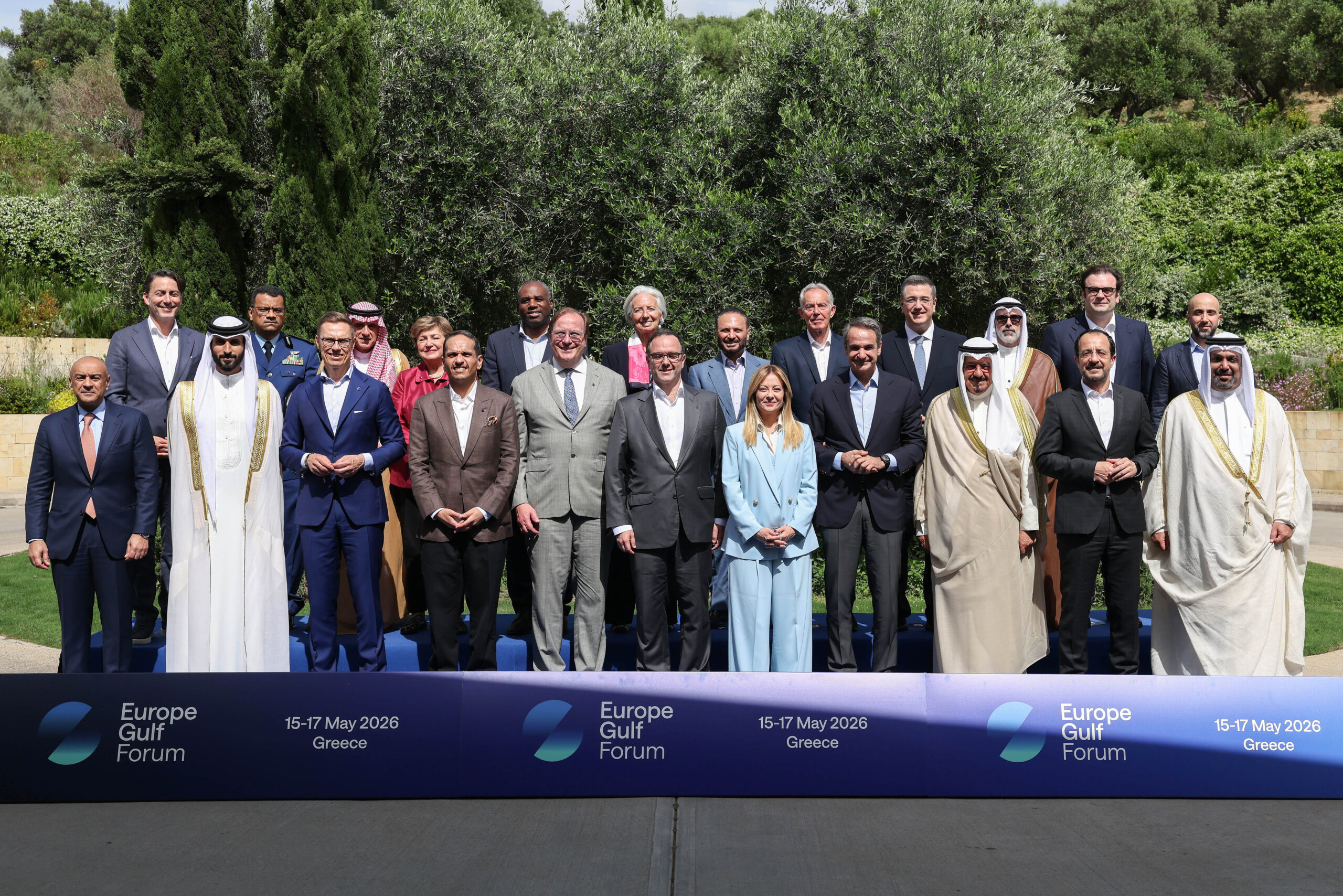
Europe-Gulf Collaboration Accelerates at Athens Forum The Atlantic Council reported from the recent Europe Gulf Forum (hosted by Greece's Antenna Group) that geopolitical crises — particularly the Iran war and energy disruptions — are accelerating cooperation between European and Gulf states, forging new diplomatic channels outside traditional Western multilateral frameworks.
Asia-Pacific
Rubio's India Trip Signals U.S. Push to Repair Ties Secretary Rubio's visit to India is being read as a direct signal that Washington needs to repair a relationship strained by disputes over the Iran conflict — particularly India's continued purchase of discounted Iranian oil — and other bilateral irritants. The visit reflects U.S. concern about India's geopolitical hedging.
Japan-China Trade Ministers Hold Brief Talks Amid Diplomatic Row Japan's trade minister held brief talks with his Chinese counterpart despite an ongoing diplomatic row between Tokyo and Beijing. The encounter underscores the transactional nature of Sino-Japanese relations even during periods of political friction.
U.S. Arms Sales to Taiwan Unrelated to Iran War, Source Says A source familiar with the matter pushed back against suggestions that U.S. arms deliveries to Taiwan have been paused due to Iran war supply pressures, stating that arms sales "take years to process" and are independent of the Iran conflict.
No Trump-Taiwan Lai Call Currently Planned Sources told Reuters that no call between President Trump and Taiwan's President Lai is currently planned, signaling a continued cooling of direct U.S.-Taiwan leader-level communications amid sensitivity over the Iran war and U.S.-China dynamics.
Africa & Sub-Saharan
Senegal President Sacks PM Sonko, Dissolves Government Senegalese President Bassirou Diomaye Faye dismissed Prime Minister Ousmane Sonko and dissolved the government after months of friction between the two leaders. The political rupture within Senegal's ruling coalition injects significant instability into one of West Africa's most stable democracies.
Diplomatic Moves & Official Statements
-
U.S. State Department / Secretary Rubio: Signed a "Technology Prosperity Deal" with Sweden on May 22, deepening bilateral tech and economic ties. Rubio and Swedish Foreign Minister Maria Malmer Stenergard jointly announced the deal, which is part of a broader U.S. effort to reinforce alliances with Nordic partners.
-
U.S. State Department / Secretary Rubio: Rubio stated publicly that Iran's bid to impose "tolls" on Strait of Hormuz passage is "not acceptable," effectively ruling out acquiescence to Iranian maritime control as part of any peace framework. The statement signals a hardening U.S. posture even as Rubio acknowledged "progress" in Iran talks with more "work to be done."
-
UN Security Council Committee: On May 21, 2026, the UN Security Council Committee (pursuant to resolutions 1267/1989/2253 on ISIL/Al-Qaida) removed a number of entries from its sanctions list — a routine but consequential update to the global counter-terrorism framework.
-
European Council President António Costa: Met with Guatemalan President Bernardo Arévalo in Guatemala City on May 20, issuing a joint statement — part of the EU's broader engagement with Latin American partners amid shifting global trade dynamics.
-
Arctic Allies Joint Statement: Canada, Denmark (including Greenland and the Faroe Islands), Finland, Iceland, Norway, Sweden, and the United States issued a Joint Statement on Arctic Security, signaling coordinated attention to the High North amid intensifying great-power competition.
Expert Analysis & Strategic Commentary
Atlantic Council — Europe-Gulf Strategic Realignment
The Atlantic Council's dispatch from the Europe Gulf Forum in Athens argues that ongoing geopolitical crises — led by the Iran war and energy market disruption — are accelerating a structural realignment between European and Gulf states. The analysis, framed through a liberal institutionalist lens, contends that shared economic vulnerability is driving diplomatic channels that bypass traditional U.S.-led Western frameworks, a development with long-term implications for the post-Cold War order.
Reuters — Oil Market Supply Crunch Watch
Reuters commentary published May 21 assessed that the oil industry has shown "remarkable resilience" in response to what it calls "the largest energy supply shock in modern history" resulting from the Iran war's disruption of Strait of Hormuz traffic. Industry actors have pulled "multiple levers" — including rerouting tankers and drawing down strategic reserves — to cushion the blow, but analysts warn the clock is ticking as a structural supply crunch looms.

Escalation & De-escalation Watch
| Flashpoint | Direction | Key Indicator Today |
|---|---|---|
| Iran / Strait of Hormuz | ↑ Escalating | U.S. reportedly preparing possible new strikes; Rubio rejects Iranian "tolling" of Hormuz; Iran publishes new map asserting maritime control |
| Ukraine Front | ↑ Escalating | Death toll in student dormitory strike rises to 10; Ukraine drone exercises signal sustained frontline tempo |
| Gaza / Israel | ↑ Escalating | Freed flotilla activists allege Israeli abuse including rape; international pressure intensifying |
| Taiwan Strait | → Steady | U.S. clarifies Taiwan arms sales not paused; no Trump-Lai call currently planned — situation stable but watched |
| Senegal (Political) | ↑ Escalating | President sacks PM Sonko and dissolves government after months of friction |
Economic & Market Linkages
Oil Supply Crunch Clock Ticking on Hormuz Disruption Reuters' oil market commentary (May 21) reports the Iran war has created the largest energy supply shock in modern history, with Strait of Hormuz disruptions cutting roughly one-fifth of global oil and LNG flows. The oil industry has drawn on strategic reserves, rerouted tankers via longer Cape of Good Hope routes, and tapped spare OPEC+ capacity — but analysts warn these buffers are finite. A new round of U.S. strikes or further Iranian assertiveness on Hormuz access fees could send Brent crude sharply higher, hitting energy-importing economies hardest.
World Bank: 27 Nations Pre-Position Crisis Instruments An internal World Bank document reviewed by Reuters reveals that 27 countries have already moved to activate pre-arranged crisis financing instruments since the Iran war began — an unprecedented breadth of anticipatory fiscal positioning that signals how widely the war's economic fallout has spread beyond the immediate region.
What to Watch Next
- Immediate (48–72 hrs): Whether the U.S. follows through on reported preparations for strikes against Iran — any military action would reset the diplomatic track and trigger immediate oil price spikes.
- Coming days: Secretary Rubio's India visit outcomes — specifically whether Washington can negotiate a framework that brings New Delhi closer to the U.S. coalition position on Iran without rupturing India's energy-import arrangements.
- This week: Senegal's political transition — with PM Sonko dismissed and government dissolved, watch for street protests or parliamentary countermoves that could destabilize a key West African partner state.
- Near-term: EU internal debate on the "associate membership" formula for Ukraine following Zelenskiy's public rejection — EU foreign ministers are likely to be convened for emergency consultations.
- Ongoing: Japan-China diplomatic row — the brief trade ministerial encounter signals willingness to keep channels open; watch for a formal bilateral meeting that could stabilize Asia-Pacific economic ties.
Reader Action Items
- Track Hormuz daily: Subscribe to Reuters Energy alerts and the U.S. EIA's weekly petroleum status reports for real-time visibility on Strait of Hormuz transit volumes and strategic reserve drawdowns — the single most consequential market variable right now.
- Watch U.S. intelligence leadership: With Tulsi Gabbard's departure and an acting DNI now in place during an active conflict, monitor White House briefings and congressional intelligence committee statements for signals of policy friction or reassessment of Iran war strategy.
- Follow EU-Ukraine accession track: Bookmark the European Council press releases page (consilium.europa.eu) for rapid updates on how Brussels responds to Zelenskiy's rejection of associate membership — a decision that will shape the EU's eastern security architecture for years.
Compiled from wire services (Reuters, AP, CBS News), official government and multilateral sources (U.S. State Department, White House, UN Security Council, European Council), and leading foreign-policy think tanks (Atlantic Council).
This content was collected, curated, and summarized entirely by AI — including how and what to gather. It may contain inaccuracies. Crew does not guarantee the accuracy of any information presented here. Always verify facts on your own before acting on them. Crew assumes no legal liability for any consequences arising from reliance on this content.
Powered by
