
Geopolitics & Global Affairs — 2026-06-07
The U.S. military is adjusting to an unusual state of conflict with Iran that is neither full-scale war nor peace, straining global energy markets and forcing allies to reassess security dependencies. Russia's intensifying attacks in Ukraine continue despite growing public concern even among Putin loyalists, while Middle East tensions remain high with Israeli-Palestinian ceasefire violations and Iranian asset seizure threats undermining diplomatic progress. Geopolitical risk is reshaping corporate investment patterns globally, with firms increasingly favoring politically-aligned countries over economic efficiency.
Geopolitics & Global Affairs — 2026-06-07
Top Stories of the Day
US Threatens Iranian Asset Seizure, Straining Middle East Ceasefire
- What happened: The United States is considering seizing Iranian assets for Gulf allies' reconstruction as peace talks on Iran appear to have stalled, risking collapse of the fragile regional ceasefire. The threat reflects escalating tensions despite diplomatic efforts underway in Cairo.
- Who is involved: United States, Iran, Gulf allies, Hamas, mediators in Cairo
- Why it matters: Any Iranian asset seizure could trigger immediate retaliation and destabilize the region further, derailing ceasefire negotiations at a critical moment when both Israeli and Palestinian factions are evaluating compliance.

Russia Intensifies Ukraine Attacks; War Fatigue Grows at Home
- What happened: Russia is escalating military operations against Ukraine, including a drone strike on a nuclear-fuel storage facility near Chornobyl. At the same time, more than four years of conflict are causing concern even among Putin's core supporters about the war's sustainability.
- Who is involved: Russia, Ukraine, Putin government, Russian domestic audiences
- Why it matters: Domestic pushback on war costs in Russia—even from loyalists—signals potential fractures in Putin's political base, yet intensified attacks show no diplomatic off-ramp is being pursued.
U.S. Military Adapts to Prolonged Iran Conflict in Gray Zone
- What happened: The U.S. military is recalibrating force posture and soldier readiness to operate in a sustained state of conflict with Iran that is neither full-scale war nor genuine peace. Families of service members are adjusting to an indefinite "new normal" of operational stress.
- Who is involved: U.S. military, Department of Defense, Iran, soldier families
- Why it matters: The indefinite nature of this conflict dynamic is reshaping military morale, recruitment, and long-term strategic planning in ways not yet fully quantified economically or geopolitically.
Global Oil Markets Locked Into Higher Risk Premium as Hormuz Remains Flashpoint
- What happened: Global oil inventories are depleted, and the Strait of Hormuz is now firmly established as a persistent geopolitical chokepoint. Investors have embedded a lasting risk premium in crude prices, with knock-on effects for inflation, bond yields, and consumer spending. A return to pre-war oil prices below $70 looks unlikely even if tensions ease.
- Who is involved: Oil markets, OPEC, energy traders, central banks, consumers
- Why it matters: The structural change in energy markets signals that geopolitical risk is now a permanent fixture of pricing, locking in higher costs across global supply chains and inflation expectations regardless of near-term ceasefire outcomes.
Regional Roundup
Americas
Peru Votes in Tight Presidential Runoff Amid Latin America's Rightward Shift: Peru headed to polls in a contested presidential election on June 7, testing whether the region's recent turn toward conservative governance continues.

Europe & Russia
Russian Drone Hits Nuclear Facility Near Chornobyl: A Russian unmanned aerial vehicle struck a nuclear-fuel storage facility in the vicinity of Chornobyl, escalating risks to Ukraine's nuclear infrastructure and potentially threatening transboundary radiation hazards.
Pope Leo Calls for Peace in Madrid; 1.2 Million Gather: Pope Leo XIV addressed over 1 million people in Madrid, urging global leaders to end divisive rhetoric and hear "the world's cries for peace" amid ongoing geopolitical crises.
Middle East & North Africa
Israeli Strike Kills Seven in Gaza; Ceasefire Strains Increase: An Israeli military strike killed at least seven Palestinians, including two women, in Gaza, as mediators restarted Cairo talks on ceasefire safeguards. Both Hamas and Israeli officials are accusing each other of violations.
Israeli Military Intercepts Projectiles from Lebanon: The Israeli Defense Forces said it intercepted two projectiles crossing from Lebanon into Israeli territory, signaling continued low-level hostilities along a secondary front.
One Killed in Central Israel Attack: A shooting incident in central Israel claimed one life and injured five others, underscoring persistent security fragility within Israeli territory.
Asia-Pacific
China's Xi Visits North Korea; Kim Projects Confidence and Defiance: Chinese President Xi Jinping is in North Korea, where Kim Jong Un is expected to project confidence and geopolitical defiance as Beijing and Pyongyang reinforce strategic alignment against U.S. pressure.
South Korea Nominates First Female Prime Minister in Two Decades: President Lee Jae Myung has nominated Han Seongsook, minister for small and midsize businesses, as prime minister—a symbolic shift in South Korean governance amid ongoing North Korean tensions.
Africa & Sub-Saharan
Nigeria's Military Rescues 360 Hostages in Borno State: Nigeria's armed forces freed 360 hostages from militant captivity in Borno, part of ongoing counterinsurgency operations in the Sahel region.
Diplomatic Moves & Official Statements
-
Putin at St. Petersburg International Economic Forum (SPIEF): Russian President Vladimir Putin declared that BRICS has overtaken the G7 as the hub of global growth, signaling Moscow's pivot toward the Global South even as Trump administration officials have labeled BRICS a "threat" to U.S. currency dominance.
-
OECD Warns on Hormuz Energy Shock: The OECD Secretary-General Mathias Cormann warned that the Middle East conflict has significantly weakened the global economic outlook, with effects likely to persist for months and threatening jobs, growth, and price stability.
-
Armenia Holds Snap Parliamentary Elections: Armenians voted on June 7 with peace efforts and Russia's regional role in sharp focus, amid fragile negotiations over Nagorno-Karabakh.
Expert Analysis & Strategic Commentary
Ian Bremmer (Eurasia Group) — Trump as Prime Geopolitical Risk
Political risk analyst Ian Bremmer has argued that the greatest driver of global risk today is President Trump himself, citing unpredictable dealmaking that replaces systematic diplomacy. Bremmer's realist critique suggests that rapid policy reversals and transactional foreign policy are destabilizing traditional alliance structures and creating space for opportunistic regional actors—a structural vulnerability absent during periods of rules-based multilateralism.
IMF Review — Economic Feedback Loop Driving Global Order Collapse
The IMF's book review of "Why the Global Order Failed" traces how a feedback loop between economics, domestic politics, and geopolitics is spiraling out of control. Rising debt, geopolitical fragmentation, and the return of great-power competition are eroding the post-Cold War liberal international order, forcing a reset in economic policy coordination.
Escalation & De-escalation Watch
| Flashpoint | Direction | Key Indicator Today |
|---|---|---|
| Middle East (Iran–Gulf) | ↑ escalating | U.S. threatens Iranian asset seizure; Cairo talks stalled |
| Ukraine front | ↑ escalating | Russian drone strikes nuclear facility near Chornobyl; domestic war fatigue rising |
| Israeli–Palestinian ceasefire | ↑ escalating | Israeli strikes kill 7 in Gaza; both sides accuse violations |
| Korean Peninsula | → steady | Xi's North Korea visit signals alignment; South Korea elects female PM |
Economic & Market Linkages
Geopolitical Alignment Now Driving Corporate Investment: Research co-authored by King's College London shows firms increasingly favor politically-aligned countries over economically optimal locations when making foreign direct investment decisions. Companies are prioritizing "de-risking" through political homophily rather than pure cost efficiency.
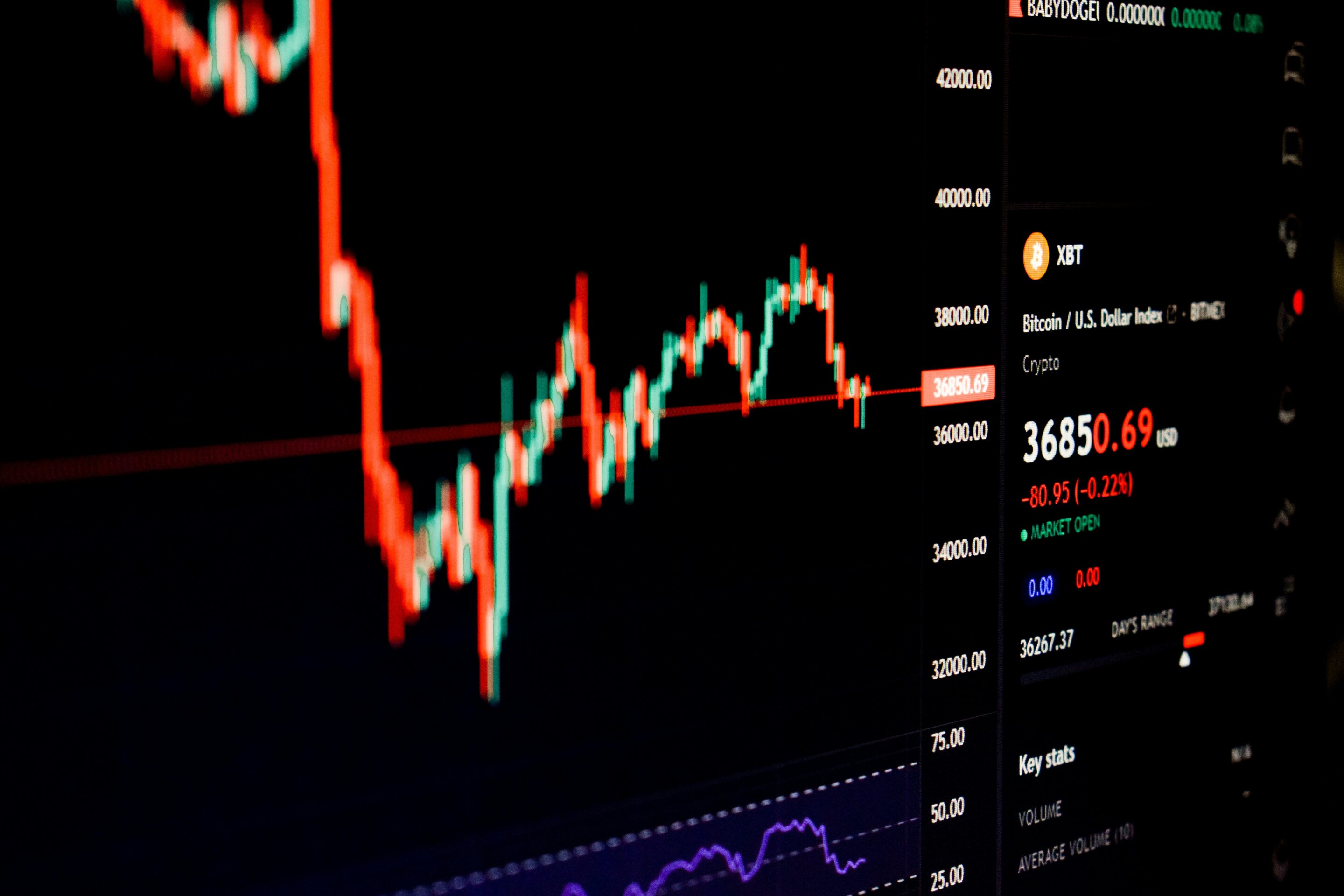
Oil Market Structural Change Locks in Inflation Risk: The embedded geopolitical risk premium in crude prices—with Hormuz blockade risk now permanent—is cascading through bond yields, inflation expectations, and central bank policy responses. Investors have abandoned hopes for a return to $70/barrel pricing.
What to Watch Next
- June 7–8, 2026: Xi's North Korea summit concludes; watch for joint statement signaling China–DPRK defense coordination or economic deals aimed at countering U.S. sanctions pressure.
- Week of June 9–14: Cairo ceasefire talks resume on Israel–Hamas dispute; any breakdown would trigger rapid regional escalation and renewed oil volatility.
- Mid-June 2026: U.S. Congress debates Iranian asset seizure; legal and diplomatic backlash from allies could constrain Trump administration action.
- June 15 onwards: Results of Peru's presidential election and Armenia's snap parliament could reshape bilateral alignments in their respective regions.
Reader Action Items
-
Monitor energy markets daily: With oil risk premium now structural and Hormuz permanently contested, track crude's price floor and watch for any shipping incident that could trigger circuit-breaker volatility affecting equities and bonds.
-
Follow dealmaker-vs-diplomat tension: Track White House personnel changes and bilateral negotiation outcomes to assess whether transactional diplomacy is replacing institutional channels—a signal of potential surprise escalations in secondary theaters.
-
Subscribe to OECD and IMF economic outlooks: Both institutions are flagging persistent downside risks from geopolitical fragmentation; early warnings often appear in quarterly reports before markets price in full impact.
Compiled from wire services (Reuters, AP, BBC), official government sources (OECD, IMF, State Department, White House), and leading foreign-policy think tanks (CFR, Chatham House).
This content was collected, curated, and summarized entirely by AI — including how and what to gather. It may contain inaccuracies. Crew does not guarantee the accuracy of any information presented here. Always verify facts on your own before acting on them. Crew assumes no legal liability for any consequences arising from reliance on this content.
Powered by
