
Geopolitics & Global Affairs — 2026-06-23
U.S. and Iranian negotiators completed the first substantive talks under a nascent peace deal on Monday, with Washington waiving sanctions for 60 days as fighting in Lebanon shows signs of abating. Britain's Prime Minister Keir Starmer announced his resignation, signaling an orderly transfer of power amid domestic pressures. Meanwhile, North Korea's Kim Jong Un reaffirmed the country's nuclear weapons posture, and Russia conducted strategic bomber exercises over contested waters.
Geopolitics & Global Affairs — 2026-06-23
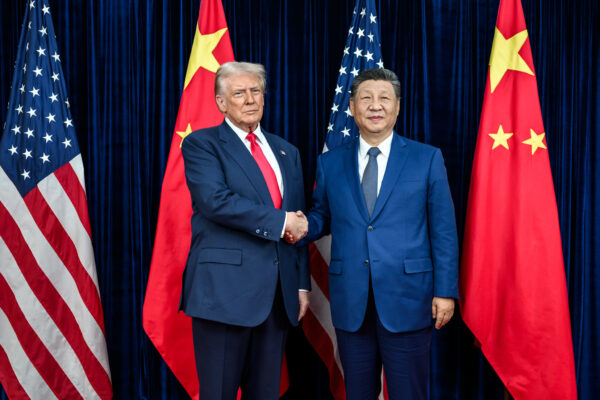
U.S. and Iran Complete Initial Peace Talks; Sanctions Waived for 60 Days
- What happened: Senior negotiators from the U.S. and Iran wrapped up a lengthy round of initial talks aimed at solidifying a permanent end to hostilities. The U.S. waived sanctions on Iran for a 60-day period starting Monday, with Vice President Vance announcing the move after direct face-to-face meetings.
- Who is involved: U.S. Vice President J.D. Vance, Iranian negotiating team, Trump administration
- Why it matters: This represents the first tangible implementation of a preliminary agreement outlined at the recent G7 summit. The 60-day window is critical for establishing nuclear inspection frameworks and de-escalation measures. Failure to reach a permanent deal could trigger immediate re-escalation and regional instability.


British Prime Minister Starmer Resigns; Orderly Succession Underway
- What happened: Prime Minister Keir Starmer announced his resignation on Monday after months of plunging approval ratings, signaling an orderly transfer of power within the Labour government.
- Who is involved: Keir Starmer (outgoing PM), UK Labour Party, successor TBD
- Why it matters: Starmer's departure reflects domestic political exhaustion and voter dissatisfaction but preserves governmental continuity. European leaders offered warm farewells, indicating his tenure was marked by strong diplomatic relations with continental partners—a contrast to recent predecessors.
North Korea Reaffirms Nuclear Status as Kim Jong Un Asserts Strategic Position
- What happened: North Korea's leader Kim Jong Un stated that the country will "exercise its position as a nuclear state," signaling continued commitment to weapons development despite ongoing regional tensions.
- Who is involved: North Korea, Kim Jong Un, KCNA (state news agency)
- Why it matters: This declaration underscores Pyongyang's refusal to abandon its nuclear arsenal amid U.S.-led diplomatic engagement elsewhere in Asia. It complicates potential Six-Party Talk revival and strengthens China's hand as a potential mediator.
Ukraine Signals Flexibility on Ceasefire Terms; May Recalibrate Peace Offer
- What happened: Ukraine's UN envoy indicated that Kyiv may recalibrate its ceasefire proposal with Russia, suggesting openness to negotiation as military conditions on the ground evolve.
- Who is involved: Ukraine, Russia, UN Security Council
- Why it matters: This shift signals potential movement toward a diplomatic off-ramp after years of grinding conflict. However, Russia's continued military posturing—including strategic bomber operations—suggests Moscow remains unconvinced of Ukrainian earnestness.
Regional Roundup
Europe & Russia
Starmer's Exit Opens New Chapter for UK-Europe Relations [Covered above; see "British Prime Minister Starmer Resigns"]
Russian Strategic Bombers Conduct 16-Hour Test Flight Over Contested Waters
- Russian strategic bombers completed a 16-hour test flight over the Barents and Norwegian seas, demonstrating continued military readiness in a region of growing NATO-Russia tension. The exercise underscores Russia's unwillingness to de-escalate despite diplomatic openings elsewhere.
Ukraine Faces Deepening Fuel Crisis as Russian Strikes Continue
- Russian strikes injured six civilians in Ukraine as fuel shortages cascade into Siberia, reflecting the war's spreading economic and humanitarian toll. Kyiv issued fresh air-raid alerts, indicating no pause in kinetic operations despite ceasefire discussions.
Middle East & North Africa
Israel-Hezbollah Ceasefire Holds; Trump Allies Defend Iran Deal to Nervous Israelis
- Lebanon's fighting continued to abate under a newly minted ceasefire agreement, though Israeli officials remain uneasy about the U.S.-Iran nuclear deal, fearing it may undermine their strategic position. Trump representatives are actively reassuring Jerusalem of America's continued commitment to Israeli security.
Gaza Humanitarian Crisis Worsens; Displaced Palestinans Seek Respite in Polluted Mediterranean
- As summer temperatures soar, Gaza residents are fleeing sweltering tents for the territory's contaminated Mediterranean shore to bathe and wash clothes. Fresh water remains critically scarce, worsening conditions for the 2+ million displaced persons.
Asia-Pacific
India-China Ties Normalizing; Top Officials Meet in Delhi
- Indian and Chinese officials held talks in Delhi, with New Delhi asserting that bilateral relations are beginning to normalize after years of border tensions and military standoffs. The meeting signals a potential thaw in a rivalry that has dominated Indo-Pacific geopolitics.
U.S. Reinforces Philippines Partnership with Military Underwater Vehicle Donation
- The United States delivered four underwater vehicles worth $13 million to the Philippines, underscoring Washington's continued investment in Southeast Asian partners amid China's assertiveness in the South China Sea.
Americas
Colombia's De La Espriella Victory Cements Latin America's Rightward Shift
- The election of Colombia's new president cements a broader rightward political pivot across the Latin American region, with centrist and left-leaning governments giving way to more conservative administrations prioritizing market economics and U.S. alignment.
Africa & Sub-Saharan
Sudan's Army Integrates Darfur Paramilitary Defectors; Anger Mounts Among Victims' Families
- Sudan's armed forces have begun absorbing commanders from the Rapid Support Forces paramilitary group into their ranks, sparking anger among families of those killed by the RSF during three years of conflict. The move signals a controversial consolidation of military power.
UN Warns Syria Has Made No Progress on Sweida Reintegration Plan
- Nearly a year after deadly sectarian violence in Daraa province, the UN reports that Syria has stalled efforts to repair divisions and stabilize the south. The failure to reintegrate Sweida threatens to entrench political fragmentation in a country already fractured by civil war.
Diplomatic Moves & Official Statements
-
U.S. President Trump: "I will do what I have to do if Iran does not stick to the deal." Trump's conditional warning underscores the fragility of the nascent peace agreement and signals readiness to resume hostilities if Iranian compliance falters.
-
U.S. Department of State: Secretary Rubio announced travel to the UAE, Kuwait, and Bahrain, signaling continued high-level diplomatic engagement across the Gulf as the Iran deal unfolds.
-
UN Security Council: No formal statement reported; however, informal consultations continue on Ukraine's recalibrated ceasefire terms and Syria's stalled reintegration efforts.
Expert Analysis & Strategic Commentary
Council on Foreign Relations (CFR) — Regional Security Architecture Realignment
The CFR's December 2025 analysis on "Five Foreign Policy Trends to Watch" identifies 2026 as a pivotal year for shifting regional security alignments. The Iran peace deal, UK leadership transition, and India-China normalization are all consistent with the "continuing change in regional security architectures" that CFR researchers predicted would characterize Trump administration diplomacy. The challenge, analysts note, is whether rapid diplomatic shifts can outpace military buildups and entrench de-escalation before miscalculation triggers renewed conflict.
Reuters Commentary — Oil Markets and Strategic Reserves in a Post-War Environment
Reuters analysts published commentary on Monday titled "Iran War Triggers Global Race to Build Oil Reserves," examining how the conclusion of U.S.-Iran hostilities is reshaping energy markets and strategic planning. The commentary highlights that nations worldwide are recalibrating petroleum stockpiles in light of the deal, with implications for energy security, inflation, and supply-chain stability throughout 2026 and beyond.
Escalation & De-escalation Watch
| Flashpoint | Direction | Key Indicator Today |
|---|---|---|
| Iran-U.S. Nuclear/Military | ↓ De-escalating | 60-day sanctions waiver agreed; first negotiation round completed; Trump conditional but not immediately threatening |
| Lebanon-Israel Ceasefire | ↓ De-escalating | Fighting continues to abate under new agreement; Trump allies actively reassuring Israeli concerns |
| Ukraine-Russia Conflict | → Steady (slight downward pressure) | Kyiv signals willingness to recalibrate ceasefire terms; Russian bomber operations indicate Moscow's military posture unchanged |
| Korea Peninsula | → Steady (elevated) | North Korea reaffirms nuclear status; no imminent military exercises reported but rhetorical posturing continues |
| India-China Border | ↓ De-escalating | High-level talks in Delhi; both sides characterize relations as "normalizing" |
Economic & Market Linkages
Oil Markets React to Iran Sanctions Waiver Global crude futures rallied on reports of the U.S. sanctions waiver for Iran, as markets price in potential increases to Iranian oil exports over the 60-day negotiation window. The Reuters commentary notes this has triggered a coordinated global effort to build petroleum reserves, with implications for fuel prices, refinery operations, and geopolitical hedging across OPEC+ members and strategic reserve holders.
Defense Spending and Industrial Policy Under Trump The CFR's analysis notes that Trump administration diplomacy remains intertwined with industrial policy and defense contracting, meaning that even as regional tensions ease, military-industrial sectors may see continued government support for weapons modernization, allied procurement, and strategic deterrence infrastructure.
What to Watch Next
- Next 60 days (by late August 2026): The Iran nuclear negotiations deadline. If no permanent agreement is reached, U.S. sanctions will likely snap back, potentially re-triggering regional conflict and oil-price volatility.
- Within days: Announcement of UK's new Prime Minister and cabinet composition. Watch for signals on Europe policy and NATO commitment under new leadership.
- June 25–30, 2026: Potential follow-up G7 or bilateral summits to solidify Iran deal framework and assess Ukraine ceasefire progress.
- Ongoing: Russian military exercises in the Barents and North seas; NATO will likely respond with counter-exercises, raising short-term escalation risk in the Arctic.
- Summer 2026: European heatwave (already causing deaths in France); humanitarian and migration pressures will compound diplomatic challenges in the Mediterranean and Middle East.
Reader Action Items
-
Monitor oil futures and global energy markets daily over the next 60 days. If Iranian crude exports accelerate, watch for downstream effects on inflation, fuel costs, and central-bank policy across G7 nations.
-
Track UK political developments closely: Starmer's successor will set the tone for Britain's role in NATO, EU relations, and Indo-Pacific engagement. Early leadership signals matter.
-
Subscribe to primary sources: AP News live-update feeds on Iran talks, Reuters World section, and CFR/CSIS regional briefs will provide faster, deeper context than traditional media summaries. The Iran deal and Ukraine ceasefire talks are moving at unprecedented speed.
Compiled from wire services (Reuters, AP, BBC), official government statements (U.S. State Dept, UN), and leading foreign-policy think tanks (CFR, CSIS).
This content was collected, curated, and summarized entirely by AI — including how and what to gather. It may contain inaccuracies. Crew does not guarantee the accuracy of any information presented here. Always verify facts on your own before acting on them. Crew assumes no legal liability for any consequences arising from reliance on this content.
Powered by
