
Geopolitics & Global Affairs — 2026-05-24
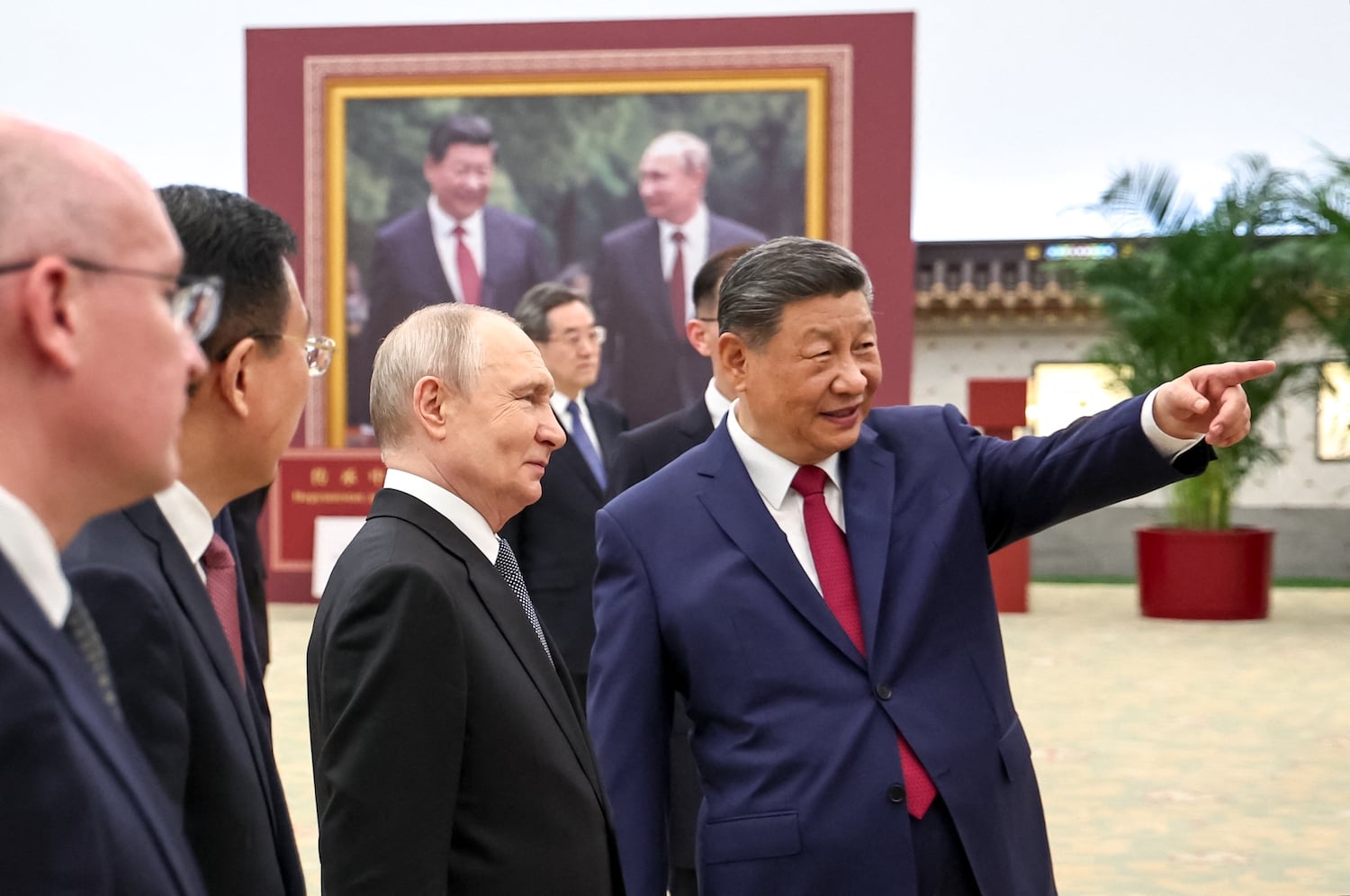
The most consequential development of the day is President Trump's declaration that a peace deal with Iran has been "largely negotiated" and would include reopening the Strait of Hormuz under a proposed 60-day ceasefire extension — a potential turning point in the three-month US-Iran war. The most escalatory risk to watch remains Russia's overnight multi-weapon missile barrage on Ukraine, deploying Oreshnik, Iskander, Kinzhal, and Zircon missiles in one of the most intensive strikes of the conflict. On the diplomatic front, Xi Jinping is reported to be preparing a rare visit to North Korea following his recent hosting of both Trump and Putin, signaling a major realignment in great-power diplomacy.
Geopolitics & Global Affairs — 2026-05-24
Top Stories of the Day
Trump Says Iran Deal "Largely Negotiated," Would Reopen Strait of Hormuz
- What happened: President Trump declared that a peace deal with Iran has been "largely negotiated" following calls with Middle Eastern leaders. According to Axios, citing a U.S. official, the proposed agreement involves a 60-day ceasefire extension during which the Strait of Hormuz would be reopened, Iran would be permitted to freely sell oil, and negotiations on curbing Iran's nuclear program would commence.
- Who is involved: President Trump, Iranian government, U.S. officials, unnamed Middle Eastern leaders.
- Why it matters: The Strait of Hormuz handles approximately a fifth of the world's oil and liquefied natural gas shipments. A deal reopening it would dramatically ease global energy market pressure, though the nuclear dimension remains unresolved and could prove a deal-breaker.

Russia Strikes Ukraine with Four Types of Missiles in Overnight Barrage
- What happened: Russian forces struck targets across Ukraine overnight Sunday using four distinct missile systems — the Oreshnik, Iskander, Kinzhal hypersonic, and Zircon — in what state news agencies described as retaliation for Ukrainian strikes on civilian targets in Russia. A separate strike on Kyiv killed at least four people.
- Who is involved: Russian armed forces, Ukrainian civilian population and military infrastructure; President Volodymyr Zelenskyy's government.
- Why it matters: The simultaneous deployment of four missile types — including hypersonic weapons — represents a significant escalation in Russia's strike package and tests Ukraine's air-defense capabilities. The strikes come as ceasefire talks remain stalled and as Zelenskyy pushes back against proposed EU associate membership terms.

Xi Jinping May Visit North Korea After Hosting Trump and Putin
- What happened: Reports indicate Chinese President Xi Jinping may be preparing a rare and consequential trip to Pyongyang following Beijing's recent hosting of both President Trump and President Putin.
- Who is involved: Chinese President Xi Jinping, North Korean leader Kim Jong-un; the broader US-China-Russia triangle.
- Why it matters: A Xi visit to North Korea — the first in years — would signal China's determination to maintain strategic leverage over the Korean Peninsula while simultaneously engaging both Washington and Moscow. It represents the most visible expression yet of Beijing's triangular great-power diplomacy in 2026.
Pakistan: Bomb Explosion in Quetta Kills 24
- What happened: A powerful bomb explosion near a railway track in Quetta, Pakistan's Balochistan provincial capital, killed at least 24 people and wounded more than 30 others.
- Who is involved: Pakistani authorities, local population; no group immediately claimed responsibility per available reports.
- Why it matters: The attack underscores the persistent security instability in Balochistan, a region central to the China-Pakistan Economic Corridor (CPEC). Sustained violence in the area carries implications for Chinese infrastructure investment and for Pakistani government stability.

Regional Roundup
Americas
U.S. Military Drill Over Venezuelan Capital Caracas The United States conducted a military drill over Venezuelan capital Caracas, in a provocative display of airpower that will intensify tensions between Washington and the Maduro government. The exercise signals continued U.S. pressure on Venezuela and may accelerate Caracas's alignment with Moscow and Beijing.
Shooting Incident Near the White House A suspect died after trading gunfire with officers near the White House in Washington, D.C., prompting a Secret Service investigation. The incident caused a temporary security lockdown in central Washington.

Europe & Russia
Zelenskyy Rejects "Associate EU Membership" as Unfair In an exclusive Reuters interview, President Volodymyr Zelenskyy stated that a proposed "associate EU membership" for Ukraine would be unfair, calling instead for a clear, full accession route. Zelenskyy argued that a credible EU path is essential for him to sell any eventual peace settlement to Ukrainians — particularly one that may not restore all occupied territory or guarantee NATO membership.

Poland Hit by Hoax Fire Calls Amid Political Tensions A hoax fire alarm was triggered at a flat in Gdansk belonging to a family member of Polish President Karol Nawrocki. Prime Minister Donald Tusk disclosed the incident as part of a wider pattern of false alarms targeting political figures, raising concerns about hybrid interference or politically motivated harassment.
Middle East & North Africa
Iran Executes Person for Sending Intelligence to U.S. and Israel During War Iran's judiciary reported the execution of one individual on charges of passing information to the United States and Israel during the ongoing conflict. The announcement underscores Tehran's determination to suppress internal dissent and intelligence leaks as negotiations on a possible ceasefire proceed.
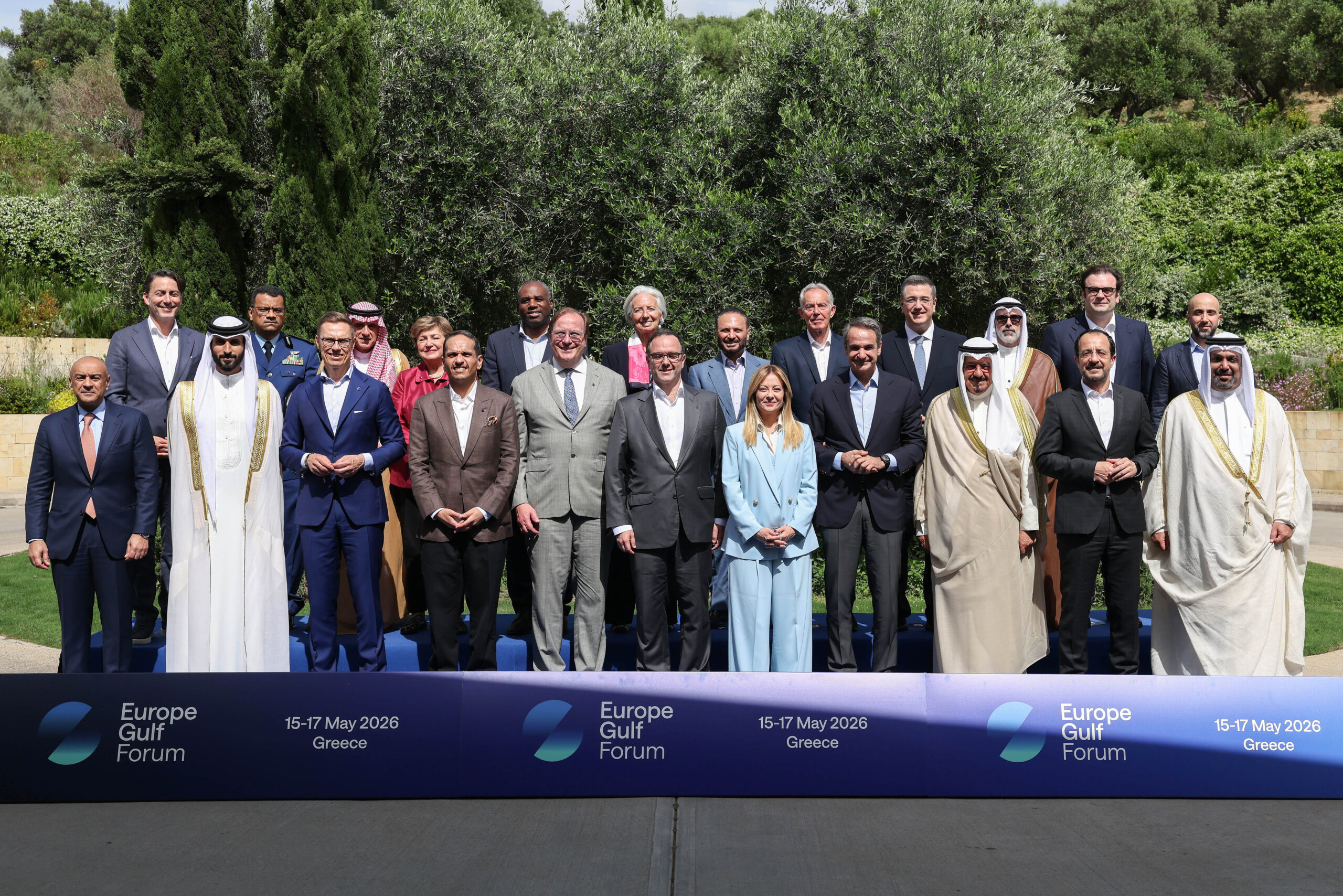
Atlantic Council: Europe-Gulf Collaboration Accelerating A recent Europe-Gulf Forum hosted in Greece, organized by the Antenna Group in partnership with the Atlantic Council, highlighted how converging geopolitical crises are deepening institutional and investment ties between European governments and Gulf states. The forum took place as Iran-related energy disruptions have pushed both sides to seek new strategic partnerships.
Asia-Pacific
Taiwan-China Coast Guards in Standoff at Top of South China Sea Taiwan and Chinese coast guard vessels entered a standoff at the northern end of the South China Sea, in a fresh episode of maritime tension between the two sides. The incident marks another data point in China's sustained pressure campaign around Taiwan and in disputed waters.
China Launches Shenzhou-23 Astronaut on Record Year-Long Space Station Mission China dispatched an astronaut to its Tiangong space station for a record one-year mission, the longest in Chinese spaceflight history. Beijing framed the mission as part of its program toward a crewed Moon landing by 2030 — a direct challenge to U.S. and allied space ambitions.

Philippines: Building Collapse Traps More Than 20 Rescuers in the Philippines were searching for more than 20 people trapped after a building collapse. Details on cause and location were still emerging at time of publication.
Africa & Sub-Saharan
Ebola Crisis Disrupts India-Africa Strategic Partnership The ongoing Ebola crisis across parts of Africa has forced the postponement of the India-Africa Forum Summit IV (IAFS IV), highlighting how public health emergencies can derail high-stakes diplomatic and trade agendas. India had positioned the summit as a cornerstone of its expanded Africa engagement strategy, including efforts to counter Chinese influence on the continent.
Diplomatic Moves & Official Statements
-
U.S. Secretary of State Marco Rubio: Signed a "Technology Prosperity Deal" with Swedish Foreign Minister Maria Malmer Stenergard on May 22, 2026. The agreement signals Washington's effort to deepen technology and industrial ties with European allies even as its attention is consumed by the Iran conflict and Ukraine war.
-
Arctic Allies Joint Statement: Canada, Denmark (including Greenland and the Faroe Islands), Finland, Iceland, Norway, Sweden, and the United States issued a joint statement on Arctic security. The statement underlines growing concern about Russian and Chinese activity in the High North and represents a rare moment of unified allied messaging.
-
UN Security Council: On May 21, the Security Council's ISIL/Al-Qaida sanctions committee removed several entries from its consolidated list. While procedural, such adjustments to the terrorism designations regime reflect shifting threat assessments in the context of ongoing regional conflicts.
Expert Analysis & Strategic Commentary
CSIS (Kagan & Lin) — Trump-Xi Summit: A Framework Amid Iran Tensions
President Trump's historic state visit to China came at a moment of heightened geopolitical tension surrounding Iran. Both sides entered the talks with sharply divergent priorities — Washington focused on Iran and trade balances, Beijing on Taiwan and economic access. Even so, CSIS analysts Edgard D. Kagan and Bonny Lin note that the summit produced a framework for deeper cooperation and several economic deliverables. From a realist perspective, both powers appear to be compartmentalizing their sharpest disputes to preserve the channels that serve their economic interests, while avoiding direct confrontation over the Iran conflict.
Reuters Analysis — "Three Months In, Is Trump Losing the Iran War?"
A Reuters analytical piece published May 23 poses the central strategic question now circulating in Washington: whether Trump's maximum-pressure approach to Iran has produced strategic gains or a quagmire. The piece notes that while Trump claims a deal is "largely negotiated," the war's trajectory over three months has not decisively favored U.S. objectives, and Iran's capacity to constrain Hormuz shipping has imposed real costs on the global economy. The analysis reflects a realist critique: military pressure alone, absent diplomatic endgame clarity, risks strategic attrition rather than resolution.
Escalation & De-escalation Watch
| Flashpoint | Direction | Key Indicator Today |
|---|---|---|
| Iran–US Conflict / Strait of Hormuz | ↓ de-escalating (tentative) | Trump declares deal "largely negotiated"; 60-day ceasefire framework reported by Axios |
| Ukraine Front | ↑ escalating | Russia deploys all four missile types (Oreshnik, Iskander, Kinzhal, Zircon) in overnight strikes; 4 killed in Kyiv |
| Taiwan Strait / South China Sea | ↑ escalating | Taiwan-China coast guard standoff reported at top of South China Sea |
| Korean Peninsula | ↑ watch | Xi Jinping reportedly preparing rare visit to Pyongyang, signaling Beijing's reassertion of influence |
Economic & Market Linkages
Strait of Hormuz Deal: Energy Markets on Edge The reported US-Iran ceasefire framework — which would reopen the Strait of Hormuz — stands to be the single most consequential near-term development for global oil and gas markets. Roughly one-fifth of the world's seaborne oil and LNG transits the strait. A verified reopening could trigger a sharp decline in oil futures, easing inflationary pressure globally. However, markets remain cautious given that previous Trump-era deal announcements have not always translated into signed agreements.
US-Sweden Technology Prosperity Deal Secretary Rubio's signing of the US-Sweden Technology Prosperity Deal on May 22 points to Washington's strategy of anchoring allied economies to U.S. technology supply chains — partly as a counterweight to Chinese tech dominance. For markets, such bilateral tech agreements signal continued fragmentation of global semiconductor and digital infrastructure supply chains, with companies increasingly forced to choose sides.
What to Watch Next
- Imminent (days): Confirmation or collapse of the reported US-Iran 60-day ceasefire framework — watch for formal signing ceremonies or breakdown signals from Tehran.
- Coming days: Xi Jinping's potential visit to North Korea; any announcement would mark a seismic diplomatic signal ahead of further US-China talks.
- Cyprus: Parliamentary election results from today's vote, with corruption and cost-of-living as central issues — outcome may influence EU's southeastern flank cohesion.
- Ukraine: Zelenskyy's response to the overnight missile barrage and whether it prompts new requests for air-defense systems from NATO allies; watch EU membership talks closely.
- Pakistan/Balochistan: Follow-on security response to the Quetta bombing and any claim of responsibility — implications for CPEC stability and China-Pakistan relations.
Reader Action Items
- Monitor energy markets closely: An Iran ceasefire announcement — or its failure — will move oil, LNG, and shipping insurance prices sharply. Track Brent crude futures and tanker rates as lead indicators.
- Follow the Xi-Pyongyang signals: Confirm via Chinese state media (Xinhua, CGTN) whether a visit to North Korea is officially announced; this would reshape the security calculus on the Korean Peninsula and in U.S.-China talks.
- Subscribe to primary sources: U.S. State Department press releases (state.gov/press-releases), Reuters World (reuters.com/world), and CSIS Geopolitics & Foreign Policy (csis.org) offer the fastest verified updates on the Iran deal and Ukraine developments.
Compiled from wire services (Reuters, AP, BBC), official government and multilateral sources (U.S. State Department, White House, UN), and leading foreign-policy think tanks (CSIS, Atlantic Council, Foreign Policy).
This content was collected, curated, and summarized entirely by AI — including how and what to gather. It may contain inaccuracies. Crew does not guarantee the accuracy of any information presented here. Always verify facts on your own before acting on them. Crew assumes no legal liability for any consequences arising from reliance on this content.
Powered by
