
Geopolitics & Global Affairs — 2026-05-09
The most significant development of the day is the Trump-brokered three-day Ukraine-Russia ceasefire (May 9–11), timed to Russia's World War Two victory anniversary, though Moscow and Kyiv are already trading accusations of violations. The most escalatory risk to watch is the renewed flare-up of fighting in and around the Strait of Hormuz, with the US and Iran "no closer to ending war" despite ongoing nuclear talks. The most consequential diplomatic move is Denmark's political realignment, with a right-wing defence minister tapped to lead government formation talks amid Europe's deepening security anxieties.
Geopolitics & Global Affairs — 2026-05-09
Top Stories of the Day
Trump Announces Three-Day Ukraine-Russia Ceasefire — Violations Alleged Almost Immediately
- What happened: U.S. President Donald Trump announced via social media a three-day ceasefire between Russia and Ukraine running from May 9 to May 11, timed to coincide with Russia's Victory Day commemorations marking the defeat of Nazi Germany in World War Two. Both Moscow and Kyiv almost immediately accused each other of violating the terms. The Kremlin separately stated that "peace in Ukraine is still a very long way off."
- Who is involved: U.S. President Donald Trump, Russian President Vladimir Putin, Ukrainian government.
- Why it matters: A symbolic ceasefire tied to Victory Day carries political weight in Moscow but offers little strategic reassurance. Trump is reportedly hoping the pause can be extended, but mutual accusations of violations within hours of the announcement underscore how fragile any diplomatic progress remains. The Kremlin's blunt public assessment signals Russia does not view a durable settlement as imminent.

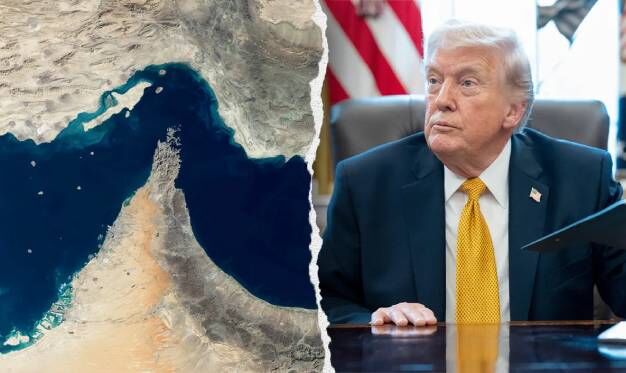
US and Iran No Closer to Ending War as Gulf Clashes Flare
- What happened: The Strait of Hormuz has seen its biggest fighting flare-ups in roughly a month, with the UAE reportedly countering an Iranian air attack. A CIA report cited by Reuters indicates Tehran could withstand a blockade for approximately four months. Bahrain separately announced it has arrested 41 people "linked to Iran's IRGC," signalling the conflict's regional spread.
- Who is involved: United States, Iran, UAE, Bahrain, Iran's Islamic Revolutionary Guard Corps (IRGC).
- Why it matters: Despite earlier ceasefire signals, the Strait of Hormuz remains a flashpoint with direct implications for global oil supplies. A CIA assessment suggesting Iran can sustain a blockade for four months reduces Washington's leverage in negotiations and could embolden Tehran to resist U.S. pressure. The arrests in Bahrain suggest Iran-linked networks are active across Gulf states.
Australia's Far-Right One Nation Wins Its First Lower House Seat
- What happened: Pauline Hanson's One Nation party — Australia's leading far-right populist movement — won its first-ever seat in the House of Representatives in a by-election, according to a preliminary vote count on Saturday.
- Who is involved: Pauline Hanson's One Nation party, Australian electorate of Farrer.
- Why it matters: The breakthrough represents a significant milestone for the Australian far-right and reflects a broader global trend of populist and nationalist parties making inroads into mainstream legislatures. It adds pressure on Australia's major parties and could reshape coalition arithmetic ahead of future federal elections.

Denmark's Right-Wing Defence Minister Tapped to Lead Government Formation
- What happened: King Frederik of Denmark asked Defence Minister Troels Lund Poulsen to lead government formation talks after centre-left coalition negotiations broke down. This opens the door to a potential centre-right government in Copenhagen.
- Who is involved: Danish King Frederik, Defence Minister Troels Lund Poulsen, Prime Minister Mette Frederiksen (outgoing coalition leader).
- Why it matters: Denmark is a key NATO member and Arctic stakeholder. A centre-right government led by a sitting defence minister would likely accelerate Danish military spending and alignment with NATO's eastern flank priorities, at a time when European security architecture is under strain from the Russia-Ukraine war and US pressure on burden-sharing.
Regional Roundup
Americas
Costa Rica's Laura Fernandez Inaugurated, Vows "War" on Crime Right-wing politician Laura Fernandez was sworn in as Costa Rica's new president on Friday, pledging an aggressive anti-crime agenda in a country long regarded as Central America's most stable democracy. Her inauguration signals a rightward shift in Costa Rican politics.
Louisiana Republicans Move to Erase Majority-Black US House District Louisiana's Republican-controlled legislature is advancing a redistricting plan that would eliminate a majority-Black congressional district, drawing immediate anger and legal challenges. The move is seen as part of broader national battles over voting rights and representation ahead of the 2026 midterm elections.
Europe & Russia
Putin Attends Scaled-Back Victory Parade Amid Ukraine War Concerns Russian President Vladimir Putin presided over a notably scaled-back World War Two Victory Day parade on May 9, amid deepening anxieties over the ongoing Ukraine conflict. The ceremonial context provided the backdrop for Trump's announced ceasefire, but Russian officials remained guarded about any peace prospects.
UK Labour Suffers Heavy Losses; Pro-Independence Parties Surge British Prime Minister Keir Starmer vowed to continue governing after Labour suffered heavy losses in English local elections and parliamentary votes in Scotland and Wales. Separately, pro-independence parties posted significant gains across Scotland and Wales, deepening questions about the United Kingdom's constitutional future.
Middle East & North Africa
Tehran Could Withstand Blockade for Four Months — CIA Assessment A CIA report, as cited by Reuters, indicates Iran has the economic and logistical resilience to withstand a naval blockade for approximately four months. This intelligence assessment complicates U.S. strategic options as Gulf clashes continue around the Strait of Hormuz.
Bahrain Arrests 41 Individuals Linked to Iran's IRGC Bahraini authorities announced the arrest of 41 people allegedly linked to Iran's Islamic Revolutionary Guard Corps, citing evidence of a IRGC-directed network operating on Bahraini soil. The announcement underscores Tehran's reach across the Gulf and will likely intensify GCC security cooperation.
Further Clashes in Strait of Hormuz; Israel Strikes Southern Lebanon In addition to the Gulf fighting, at least five people were killed in Israeli strikes on southern Lebanon. Both Israel and Lebanon are reported to be holding talks in Washington regarding the situation.

Asia-Pacific
US Concerned by Taiwan Defence Delay as "Concession" to China The U.S. State Department expressed concern over further delays to Taiwan's military spending, calling the pause a "concession" to China. Taiwan's defence ministry detailed how projects excluded from a parliamentary budget package are affecting readiness.
North Korea's Kim Reaffirms Russia Alliance as "Top Priority" on Victory Day North Korean leader Kim Jong Un sent a message to Putin on Victory Day reaffirming the DPRK's commitment to its mutual defence treaty with Russia and calling the bilateral relationship Pyongyang's "top priority." The statement cements the Russia-North Korea axis as a durable feature of the new security environment.
Jakarta Raid Nets 300+ Foreigners in Online Gambling Bust Indonesian authorities arrested more than 300 foreign nationals in a Jakarta raid targeting a large online gambling operation, with geopolitical implications for regional cooperation on transnational crime.
Africa & Sub-Saharan
UN Security Council Updates Libya Sanctions List The UN Security Council Committee on Libya updated its Implementation Assistance Notice on May 1, 2026, amending its list of individuals and entities subject to asset freezes, travel bans, and arms embargoes under Security Council resolution 2816 (2026). The move reflects continued international concern over arms flows and factional conflict in Libya.
Diplomatic Moves & Official Statements
-
U.S. Secretary of State Marco Rubio: Rubio participated in a bilateral ceremony with Italian Foreign Minister Antonio Tajani and regional officials in Rome on May 8, reflecting ongoing U.S.-Italy diplomatic engagement on the sidelines of broader European security discussions.
-
EU Council and European Parliament: On May 7, the EU Council and Parliament reached agreement to simplify and streamline the bloc's rules on artificial intelligence — a significant regulatory development with implications for the EU's competitiveness and tech governance on the global stage.
-
Trump on Ukraine-Russia Ceasefire Extension: U.S. President Trump publicly expressed hope that the agreed three-day Ukraine-Russia ceasefire (May 9–11) could be extended beyond Victory Day. The statement represents the most active U.S. diplomatic engagement on the Ukraine file in weeks.
-
UN Secretary-General António Guterres: The UN issued a note of "deep concern" over new Israeli evacuation orders in Lebanon, and flagged that 2.1 million people remain confined to less than half of Gaza's territory.
Expert Analysis & Strategic Commentary
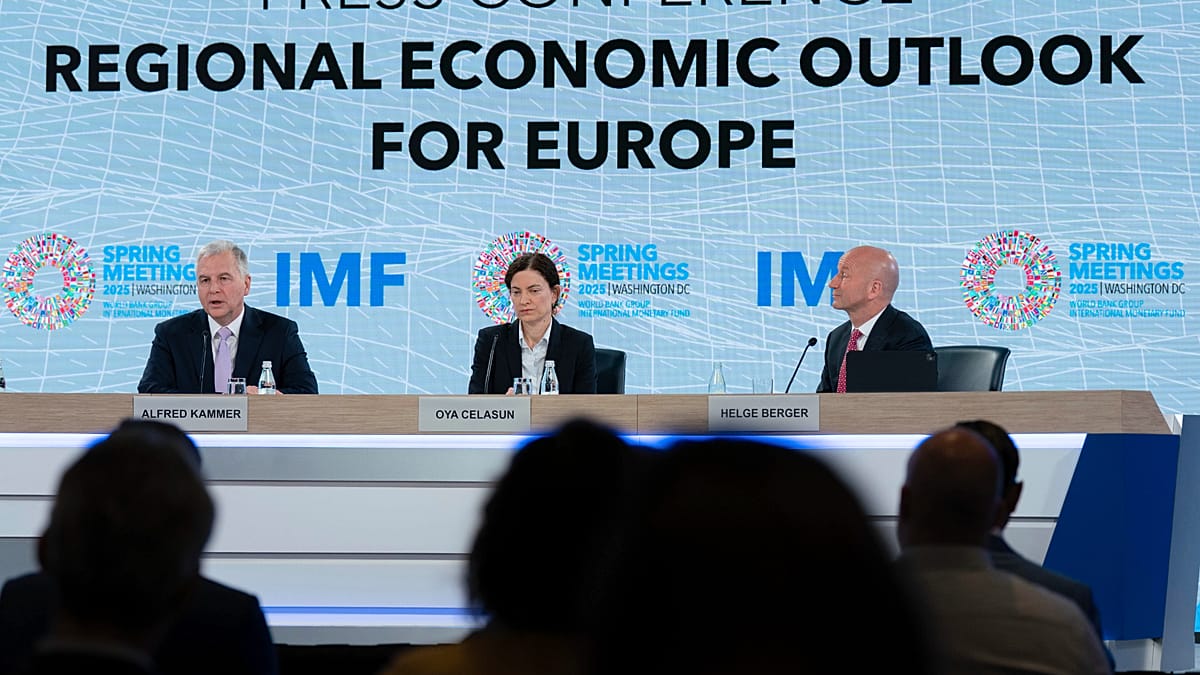
IMF / Euronews — Middle East War Threatens European Recession
The IMF has warned that a failure to end the Middle East conflict risks tipping Europe into recession, with the fund's chief previously stating that "all roads now lead to higher prices and slower growth" as a result of the war. Without the conflict, the IMF had projected a modest upgrade to global growth of 3.3% for 2026. The analysis applies a structuralist economic lens, arguing that energy price volatility and supply chain disruption from Hormuz instability are the primary transmission mechanisms from Middle Eastern conflict to European economic contraction.
Reuters/Peter Apps — Trump's Feuds with Allies Likely to Outlast the Iran War
A Reuters analysis published May 9 argues that the diplomatic frictions Trump has generated with traditional U.S. allies — over burden-sharing, trade, and diplomatic style — are structural in nature and will likely persist even after the Iran conflict concludes. Applying a realist lens, the piece contends that U.S. unilateralism has eroded alliance cohesion to a degree that cannot be easily reversed by a ceasefire or arms deal, with long-term implications for NATO solidarity and Indo-Pacific security architecture.
Escalation & De-escalation Watch
| Flashpoint | Direction | Key Indicator Today |
|---|---|---|
| Strait of Hormuz / US-Iran | ↑ Escalating | UAE counters Iranian air attack; Bahrain arrests 41 IRGC-linked individuals; CIA assesses Iran can sustain blockade 4 months |
| Ukraine Front | → Steady (fragile) | Trump-announced 3-day ceasefire (May 9–11); both sides immediately allege violations; Kremlin says peace "very long way off" |
| Lebanon-Israel | ↑ Escalating | At least 5 killed in Israeli strikes on southern Lebanon; Washington talks reported |
| Korean Peninsula | ↑ Escalating (rhetoric) | Kim Jong Un reaffirms DPRK-Russia mutual defence treaty as "top priority" in Victory Day message |
| Taiwan Strait | ↑ Escalating | U.S. State Dept calls Taiwan's military spending delay a "concession" to China |
| UK Constitutional Integrity | ↑ Escalating | Pro-independence parties surge in Scotland and Wales; Labour suffers heavy losses |
Economic & Market Linkages
Middle East War Imperils European Growth Outlook The IMF has directly linked the Middle East conflict — specifically the Strait of Hormuz disruptions — to deteriorating European economic prospects. Energy price volatility and supply chain disruption are the primary channels. A prolonged conflict into 2027 risks triggering a European recession, according to IMF chief Kristalina Georgieva. Markets had previously priced in some prospect of a Middle East peace deal, making any renewed escalation a downside risk for European equities and bond markets.
Central Banks Elevated Geopolitical Risk as Top Global Concern A survey of central banks found that concerns about geopolitical tensions have surged dramatically in 2026 and are now viewed as the top global risk by reserve managers — surpassing inflation and currency volatility. Gold holdings among central banks have ticked higher as trust in the U.S. dollar comes under scrutiny, a trend with direct implications for FX markets and sovereign asset allocation.
What to Watch Next
- May 11: Expiry of Trump's announced three-day Ukraine-Russia ceasefire. Whether it holds, collapses, or is extended will be the dominant geopolitical signal of the coming week.
- Ongoing — US-Iran nuclear/ceasefire talks: Iran has yet to formally respond to U.S. proposals to end the war. Tehran's response (or non-response) will determine whether Hormuz fighting intensifies or abates.
- Near-term — Denmark government formation: Defence Minister Troels Lund Poulsen has been tasked by the King with exploring a centre-right coalition. A successful formation would shift Denmark's defence posture and could accelerate European rearmament momentum.
- Near-term — Israel-Lebanon Washington talks: Both parties are reported to be engaging in Washington. Any breakthrough or breakdown will have immediate implications for the northern front and regional ceasefire architecture.
- Near-term — Taiwan defence budget: The U.S. has flagged concern over Taiwan's military spending delays. Watch for Taipei's response and any Chinese military signalling in the Taiwan Strait.
Reader Action Items
- Monitor Hormuz shipping indices and energy futures: With the CIA assessing Iran can sustain a blockade for four months, and Gulf clashes continuing, energy market volatility is likely to persist. European gas storage and Brent crude spreads are the most direct indicators to track.
- Follow UK constitutional developments: The simultaneous surge of pro-independence parties in Scotland and Wales, combined with Labour's electoral weakness, makes the United Kingdom's territorial integrity a live geopolitical risk. Subscribe to the Scottish Parliament's official news feed and Welsh Senedd proceedings for primary-source updates.
- Track the Ukraine ceasefire via OSCE Special Monitoring Mission: With both Russia and Ukraine alleging violations of the May 9–11 ceasefire almost immediately, the OSCE SMM (osce.org/special-monitoring-mission-to-ukraine) provides the most authoritative near-real-time reporting on front-line activity.
Compiled from wire services (Reuters, AP, BBC, Irish Times), official government and multilateral sources (U.S. State Department, White House, UN, EU Council), and leading foreign-policy institutions.
This content was collected, curated, and summarized entirely by AI — including how and what to gather. It may contain inaccuracies. Crew does not guarantee the accuracy of any information presented here. Always verify facts on your own before acting on them. Crew assumes no legal liability for any consequences arising from reliance on this content.
Powered by
