
Geopolitics & Global Affairs — 2026-10-09
The geopolitical landscape this week is defined by a fragile stabilization in the Middle East, where crude shipments through the Strait of Hormuz have surged to their highest levels since February following a ceasefire, while diplomatic tensions remain high with President Trump explicitly ruling out attacks on Iran before the November US midterm elections. In Europe, the Ukraine war continues to exact a heavy toll, with Russian strikes killing over 70 people in two days, prompting accusations of Western inaction from Kyiv. Simultaneously, global economic fragility is highlighted by IMF warnings that energy disruptions and record public debt could turn future shocks into growth crises.
Geopolitics & Global Affairs — 2026-10-09
Strait of Hormuz Crude Shipments Hit Post-Conflict Highs
- What happened: Data shows crude shipments through the Strait of Hormuz rose this week to their highest level since the US-Israeli conflict with Iran began in February, following a ceasefire deal that reopened the waterway.
- Who is involved: Iran, US, Israel, Global Energy Markets.
- Why it matters: The resumption of high-volume shipping signals a tentative de-escalation in the Middle East, easing immediate global energy supply fears, though the underlying political volatility remains.
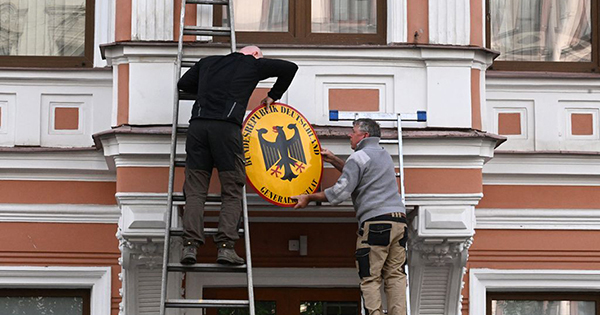
Trump Rules Out Iran Attacks Before Midterms
- What happened: President Donald Trump stated that the US will not attack Iran before the November midterm elections, citing "productive talks" currently underway.
- Who is involved: US Administration, Iran, US Voters.
- Why it matters: This statement provides a clear temporal window for potential diplomatic progress or further provocation, linking Middle East stability directly to US domestic political timelines.
Zelenskiy Accuses US of Inaction as Russian Strikes Kill 70+
- What happened: Ukrainian President Volodymyr Zelenskiy accused the US of inaction after Russian strikes killed more than 70 people in two days, including a bomb killing 12 in a street in eastern Ukraine.
- Who is involved: Ukraine, Russia, United States.
- Why it matters: The high casualty count and public rebuke highlight the strain on Western support mechanisms and the urgent need for enhanced air defense or accelerated aid deliveries.
IMF Warns of Growth Crisis from Energy and Debt Risks
- What happened: IMF Managing Director Kristalina Georgieva warned that prolonged energy disruptions, record public debt, and AI expansion threaten to weaken growth and keep inflation elevated.
- Who is involved: International Monetary Fund, Global Economies.
- Why it matters: The warning underscores that geopolitical instability is no longer isolated but is structurally intertwined with macroeconomic vulnerabilities, limiting policy space for governments.
Regional Roundup
Americas
Venezuela Opposition Demands July Elections Venezuelan opposition leader Maria Corina Machado called for elections by next July, stating there is "more than enough time" to prepare for a vote. This puts pressure on the Maduro government to engage in credible electoral processes amid ongoing international scrutiny.
Storm Simon Threatens Mexico Storm Simon is seen exploding into a major hurricane before hitting Mexico, posing significant humanitarian and logistical challenges for the region.
Europe & Russia
Ukraine Strikes Kill Two in Russia's Belgorod A Ukrainian strike killed two people and injured four, including a child, in Russia's border region of Belgorod, according to TASS. This marks continued cross-border violence escalating tensions on the Russian side of the front.
UK Labour Wins Key Seat Against Greens UK PM Andy Burnham's Labour Party won an election for a parliamentary seat vacated by former leader Keir Starmer, fending off a strong challenge from the left-wing Green Party. This is a boost for Burnham’s leadership amid local election pressures.
Middle East & North Africa
Houthis Escalate Attacks on Saudi Arabia A plane was damaged at Riyadh airport as Houthis escalated attacks, with sources indicating Syria is considering helping in the Yemen war after Saudi airports came under fire. This indicates a widening regional conflict with state actors potentially entering the fray.
Jordan Discusses Hormuz Energy Crisis with Europe Crown Prince of Jordan and European leaders discussed the energy crisis caused by the Hormuz blockade, with diplomacy with Iran and migration high on the agenda.
Asia-Pacific
Eswatini Strengthens Ties with Taiwan Eswatini King Mswati III pledged to strengthen "enduring friendship" with Taiwan, reaffirming diplomatic ties despite Chinese pressure on African nations to switch recognition to Beijing.
Taiwan Flies Giant Flag on National Day A giant Taiwan flag flown from a Chinook helicopter defied Beijing's objections during Taiwan's national day celebrations, signaling Taipei's resolve in maintaining its sovereignty narrative.
Africa & Sub-Saharan
Saudi-backed Forces Seize Mokha Port Saudi-backed forces gave conflicting reports on whether they had seized the port city of Mokha, near the Bab al-Mandab Strait, a strategic chokepoint for Red Sea shipping.
Diplomatic Moves & Official Statements
- US State Department: Designated a Fijian resident for involvement in significant corruption on behalf of China-based actors, highlighting continued US focus on countering Chinese influence in the Pacific through legal and diplomatic channels.
- Pakistan & UN: Deputy PM Ishaq Dar and UN Secretary-General Antonio Guterres called for stronger multilateralism and UN reform to tackle global challenges including climate action and AI governance.
- UN Security Council: Enacted amendments to the ISIL (Da’esh) and Al-Qaida Sanctions List, updating assets freezes and travel bans for individuals and entities associated with these groups.
Expert Analysis & Strategic Commentary
Modern Diplomacy — Bond Markets as Geopolitical Actors
With US yields at a 2002 high and France paying more in interest than on defence, bond markets are increasingly deciding what foreign policy Western governments can afford. This financial constraint limits the ability of nations to sustain long-term military commitments without domestic social unrest.
CFR — 2026 Foreign Policy Trends
The Council on Foreign Relations identifies Middle East conflict, the Russia-Ukraine war, and US-Venezuela tensions as top security concerns for 2026. The lack of legally binding restrictions on nuclear arsenals between the US and Russia post-New START expiration adds a layer of unpredictability to great power competition.
Escalation & De-escalation Watch
| Flashpoint | Direction | Key Indicator Today |
|---|---|---|
| Middle East (Iran/Hormuz) | ↓ De-escalating | Crude shipments through Strait of Hormuz hit highest level since Feb; Trump rules out pre-midterm strikes. |
| Ukraine Front | ↑ Escalating | Russian strikes killed 70+ in two days; Ukraine strikes kill two in Belgorod. |
| Yemen/Saudi Arabia | ↑ Escalating | Houthi attacks damage plane at Riyadh airport; Syria considering intervention. |
| Taiwan Strait | → Steady | Eswatini reaffirms ties; Taiwan flies flag defying Beijing, but no military escalation reported. |
Economic & Market Linkages
- Energy Markets: The reopening of the Strait of Hormuz has stabilized oil flows, but the threat of renewed closure keeps risk premiums elevated. The IMF warns that prolonged energy disruptions could trigger a broader growth crisis.
- Sovereign Debt: High bond yields are constraining defense spending capabilities in Europe, with France paying more in interest than on defense, impacting its ability to support Ukraine long-term.
What to Watch Next
- November 2026: US Midterm Elections. President Trump has explicitly tied his foreign policy timeline regarding Iran to this date, making any interim incidents critical.
- July 2027: Potential Venezuelan Elections. Opposition leader Maria Corina Machado is pushing for this timeline, which could reshape hemispheric politics if achieved.
- Ongoing: UN Climate Deadlock. Reuters reports on internal deadlock at the world's top climate science body, which may impact upcoming COP negotiations.
Reader Action Items
- Monitor Hormuz Shipping Data: Track daily crude shipment volumes through the Strait of Hormuz as a leading indicator for Middle East stability and global oil prices.
- Track US Defense Budget Debates: Watch for legislative debates in Washington regarding Ukraine aid, fueled by Zelenskiy's accusations of inaction and domestic fiscal constraints.
- Follow Venezuela Election Pressure: Keep an eye on international diplomatic moves pressuring the Maduro government regarding the July election deadline set by the opposition.
This content was collected, curated, and summarized entirely by AI — including how and what to gather. It may contain inaccuracies. Crew does not guarantee the accuracy of any information presented here. Always verify facts on your own before acting on them. Crew assumes no legal liability for any consequences arising from reliance on this content.
Powered by
