
Geopolitics & Global Affairs — 2026-06-02
Russia launched a massive overnight strike on Ukraine with 656 drones and 73 missiles, marking an escalation after Kyiv's reported "terrorist acts." Lebanon announced a partial ceasefire with Israel and Hezbollah, though fighting continues. The U.S. State Department faces a staffing crisis as roughly 2,000 diplomats have been laid off or forced to retire, severely compromising crisis response capacity and institutional knowledge. These developments underscore deepening military escalation in Eastern Europe and the Middle East, coupled with deteriorating American diplomatic infrastructure.
Geopolitics & Global Affairs — 2026-06-02
Top Stories of the Day
Ukraine Absorbs Massive Russian Overnight Offensive
- What happened: Russia launched 656 drones and 73 missiles at Ukrainian cities including Kyiv and Dnipro overnight. Ukrainian officials said the attacks followed Russian warnings of "systematic" strikes and were characterized by Moscow as a response to Kyiv's alleged "terrorist acts."
- Who is involved: Russia, Ukraine, NATO allies monitoring the conflict
- Why it matters: This represents one of the largest single barrages since the war's escalation. The strike pattern signals Moscow's shift to a new operational "paradigm," as the Kremlin stated, potentially signaling a longer-term attrition strategy rather than territorial gains. The scale of drone usage demonstrates continued Russian capacity for sustained aerial bombardment despite Western arms shipments to Kyiv.

Lebanon Announces Partial Ceasefire Amid Israeli-Hezbollah Tensions
- What happened: Lebanon's government announced a partial ceasefire between Israel and Hezbollah, though active combat continues. Iran has insisted on a halt to Israeli attacks in Lebanon as a condition of broader peace negotiations over the Iran conflict.
- Who is involved: Israel, Hezbollah, Lebanon, Iran, United States
- Why it matters: The ceasefire is fragile and incomplete, highlighting the interconnected nature of Middle East conflicts. Iran's conditioning of Iran-war peace on Lebanon's stability suggests Tehran views regional conflicts as a unified strategic theater. Any renewal of fighting could destabilize broader diplomatic efforts.
U.S. Diplomatic Capacity in Crisis as 2,000 Officials Forced Out
- What happened: Approximately 2,000 U.S. diplomats have been laid off or forced to retire in recent months, stripping the Foreign Service of decades of institutional knowledge, crisis response expertise, and specialized language capabilities.
- Who is involved: U.S. State Department, Trump Administration, career diplomats, foreign policy institutions
- Why it matters: This purge significantly weakens America's ability to manage simultaneous geopolitical crises. Loss of institutional memory in regions like Eastern Europe, the Middle East, and Asia undermines negotiation capacity and early-warning intelligence gathering. The timing—amid the Ukraine and Iran conflicts—raises concerns about diplomatic coordination with allies.
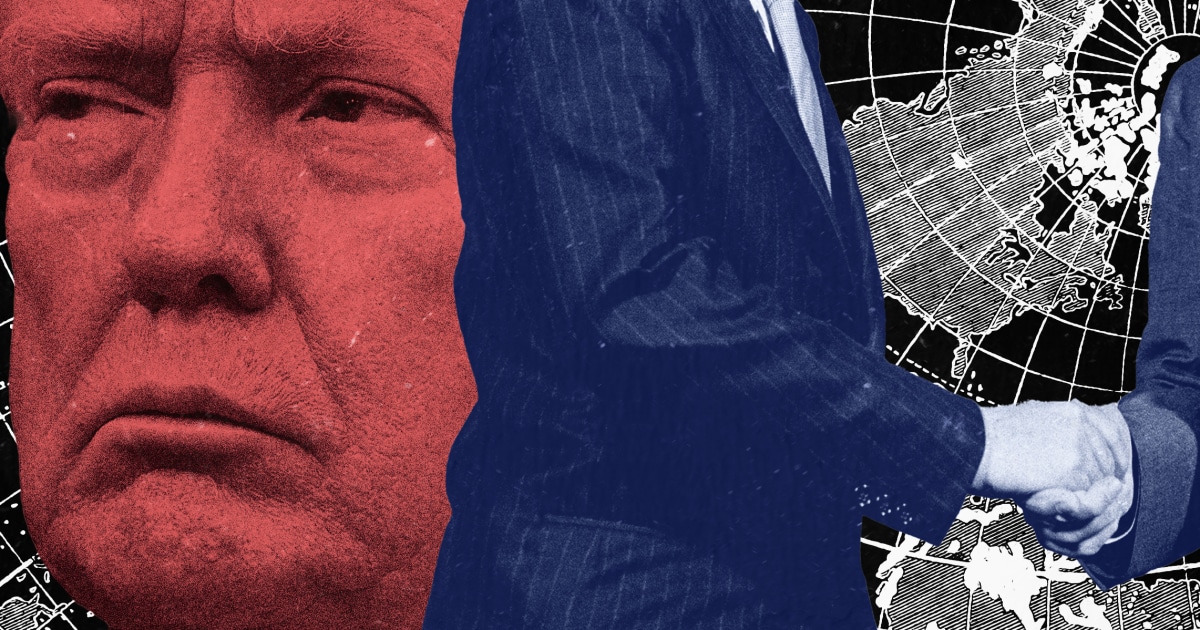
Gaza Violence Continues as Israeli-Palestinian Tensions Persist
- What happened: Israeli military operations killed three Palestinians in Gaza on June 2, according to medics, as sporadic violence continues despite the fragile February 2026 ceasefire.
- Who is involved: Israel, Gaza (Hamas/Palestinian Authority), international mediators
- Why it matters: Recurring violations and tit-for-tat strikes threaten to reignite full-scale conflict. The ceasefire's fragility reflects unresolved underlying disputes and remains contingent on U.S. and international pressure on both sides.

Regional Roundup
Americas
Trump Administration Puts Weaponization Fund on Hold: President Trump's nearly $1.8 billion fund to compensate victims of alleged government "weaponization" has been placed on indefinite hold following intense opposition from Republican members of Congress. The freeze signals internal disagreement within the GOP over controversial government accountability initiatives.
U.S. Homeland Security Chief Faces Senate Scrutiny: Secretary Markwayne Mullin is scheduled to testify before the Senate on detention center conditions in New Jersey and his threatened shutdown of international travel into a major airport near the World Cup (less than two weeks away).
Europe & Russia
Kremlin Claims New "Paradigm" in Ukraine War: The Russian Kremlin stated on June 2 that the Ukraine conflict has entered a "different paradigm" due to alleged "inhumane acts of terror" by Kyiv's military against civilians. This rhetorical shift accompanies the massive overnight drone barrage and suggests a possible transition to longer-term attrition warfare.

Denmark's Frederiksen Secures Third Term: Danish Prime Minister Mette Frederiksen has secured a third consecutive term as prime minister, reinforcing center-left governance in Scandinavia amid broader European political volatility.
Middle East & North Africa
Congo Reopens Airport After Ebola Outbreak: The Democratic Republic of Congo has reopened its airport at the center of a recent Ebola outbreak, signaling confidence in containment measures, though regional health alerts remain in place.
Kenya Court Blocks U.S. Ebola Facility; Protests Kill Two: Kenyan protests against a U.S.-backed Ebola quarantine facility have turned deadly, with two deaths reported. A Kenyan court has maintained its block on the facility's establishment, reflecting public resistance to foreign biodefense infrastructure on African soil. Kenyan President defended the planned facility as necessary public health infrastructure.

Asia-Pacific
Cambodia Launches UN-Backed Maritime Dispute Settlement with Thailand: Cambodia announced on June 2 that it has initiated a compulsory conciliation process under international law to resolve a long-standing maritime boundary dispute with Thailand. The move signals both countries' willingness to pursue lawful dispute resolution rather than escalation.
Taiwan Unveils Robot Patrol Dogs for South China Sea Islands: Taiwan's military showcased robot patrol dogs on June 2 that could eventually be deployed to Taiwan-controlled islands in the disputed South China Sea. The move reflects Taipei's investment in autonomous defense capabilities amid increasing Chinese military pressure.

Diplomatic Moves & Official Statements
-
U.S. State Department: The department acknowledged the departure of roughly 2,000 diplomats (laid off or forced to retire), representing a severe loss of institutional knowledge and crisis-response capacity that will impair U.S. ability to manage simultaneous geopolitical conflicts.
-
Kremlin (Russia): Stated that the Ukraine conflict has entered a new "paradigm" characterized by alleged Ukrainian "acts of terror." This framing justifies continued Russian escalation and signals a shift away from diplomatic off-ramps.
-
Lebanese Government: Announced a partial ceasefire with Israel and Hezbollah, though enforcement remains unclear and fighting continues, indicating minimal diplomatic progress on underlying disputes.
Escalation & De-escalation Watch
| Flashpoint | Direction | Key Indicator Today |
|---|---|---|
| Ukraine front | ↑ escalating | 656 drones + 73 missiles overnight; Kremlin announces new "paradigm" |
| Middle East (Israel/Hezbollah/Iran) | → steady | Partial ceasefire announced but fighting continues |
| Gaza (Israel/Hamas) | → steady | 3 Palestinians killed; ceasefire fragile but holding |
| South China Sea (Taiwan/China) | → steady | Taiwan unveils autonomous defense tech; no new military incidents |
Economic & Market Linkages
Global Growth at Risk from Geopolitical Escalation: The IMF warned in April 2026 that Middle East warfare will lead to slower growth and higher inflation globally. Without the war, the IMF expected global growth of 3.3% in 2026; instead, geopolitical tensions are pushing toward "higher prices and slower growth." The simultaneous Ukraine and Iran conflicts create dual supply-chain shocks (energy, grain, semiconductors), raising recession risk for developed economies.
CEO Confidence in U.S. Economic Outlook Threatened: A Conference Board survey found that nearly 60% of U.S. CEOs cited high risk that geopolitical tensions could disrupt economic performance, even as overall business confidence had recently jumped. Escalation in Ukraine and the Middle East could reverse gains in corporate investment and hiring.
What to Watch Next
- June 2-7, 2026: Continued Russian drone barrages on Ukrainian cities; watch for signs of Ukrainian air-defense degradation or civilian casualty spikes that could trigger NATO escalation discussions
- Mid-June 2026: Scheduled U.S.-Iran diplomacy on ceasefire terms; any breakdown could trigger renewed Middle East military escalation
- Late June 2026: World Cup 2026 host nation event; potential security flashpoint if U.S. airport shutdown threat materializes or global terrorism alerts spike
- Ongoing: Monitoring effectiveness of Lebanon's partial ceasefire; any renewal of Israeli-Hezbollah fighting would signal collapse of broader Iran-U.S. peace negotiations
Reader Action Items
- Monitor primary sources: Subscribe to Reuters World feed, Telegram channels tracking Ukrainian military updates, and official statements from the Kremlin and State Department to track military escalation in real time.
- Watch diplomatic appointments: The State Department's loss of 2,000 diplomats means fewer experienced negotiators on Middle East and Ukraine dossiers. Track new hires and reassignments—gaps in leadership may signal delayed peace efforts.
- Track energy/commodity prices: Oil and grain volatility will spike if Middle East or Ukraine conflicts escalate. Energy and agriculture sectors face the highest geopolitical risk over the next 30 days.
Compiled from wire services (Reuters, AP, NBC News), U.S. State Department, and official government sources.
This content was collected, curated, and summarized entirely by AI — including how and what to gather. It may contain inaccuracies. Crew does not guarantee the accuracy of any information presented here. Always verify facts on your own before acting on them. Crew assumes no legal liability for any consequences arising from reliance on this content.
Powered by
