
Geopolitics & Global Affairs — 2026-07-20
The most dangerous month on record continues to escalate: Houthis announce a Saudi naval blockade amid the ongoing US-Iran war, while Chinese coast guard clashes with Philippine forces at the Second Thomas Shoal threaten new flashpoints in the Indo-Pacific. European markets remain cautious as geopolitical risk spreads across three continents, and Nigeria's Shell deal signals energy sector realignment in the face of regional instability.
Geopolitics & Global Affairs — 2026-07-20
Top Stories of the Day
Houthis Announce Saudi Naval Blockade, Escalating US-Iran Conflict
- What happened: Houthi forces announced a new naval blockade against Saudi Arabia, marking a major escalation in the ongoing US-Iran war that has already seen nine days of American strikes. The blockade threatens shipping in the Red Sea and represents a new operational front in the broader Middle Eastern conflict.
- Who is involved: Houthi rebels (Yemen), Saudi Arabia, US military, Iran
- Why it matters: This blockade could severely disrupt global shipping through one of the world's most critical maritime corridors, threatening oil and container traffic between Europe and Asia. The Houthis' willingness to declare a formal blockade suggests Iranian backing and signals the conflict is expanding beyond direct US-Iran strikes into proxy maritime warfare.


Chinese Coast Guard Clashes With Philippine Navy at Second Thomas Shoal
- What happened: Chinese coast guard personnel engaged in a physical confrontation with Philippine navy sailors during a resupply operation at the disputed Second Thomas Shoal, with Manila accusing Beijing of using force against its personnel. The incident marks an escalation in longstanding tensions over the contested reef.
- Who is involved: China, Philippines, disputed South China Sea territory
- Why it matters: The Second Thomas Shoal has been a recurring flashpoint for US-allied Philippines and China. This clash demonstrates Beijing's willingness to employ force to prevent Philippine military resupply operations, intensifying the risk of accidental escalation in one of the world's busiest shipping lanes and a key US strategic interest.
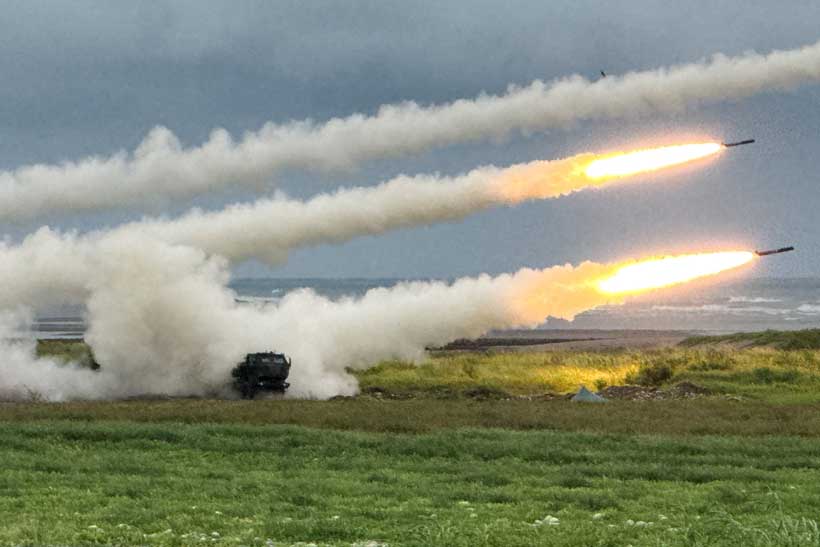
Taiwan Strait Faces Hidden Dangers Beneath Seasonal Lull
- What happened: Analysis reveals that recent quiet in the Taiwan Strait masks a year of intensifying Chinese military pressure against Tokyo, Washington, and Taipei's supply chains. A seasonal lull in incursions is obscuring deeper structural threats to regional stability.
- Who is involved: China, Taiwan, Japan, United States
- Why it matters: The apparent calm is deceptive; Beijing has opened "new fronts" including economic pressure on Taiwan's critical semiconductor supply chains and military intimidation of Japan. This suggests China is pursuing longer-term coercive strategies rather than seeking immediate military conflict, but with high risk of miscalculation.
Nigeria Offers Shell Larger Tax Incentive to Fast-Track $20B Oil Investment
- What happened: Nigeria announced expanded tax incentives to accelerate Shell's $20 billion oil investment, signaling the country's effort to maintain major international energy partnerships despite regional instability and energy-driven geopolitical tensions.
- Who is involved: Nigeria government, Shell Oil, energy investors
- Why it matters: This deal reflects Africa's critical role in global energy supply chains during the US-Iran war crisis. Nigeria's willingness to deepen fiscal concessions to Shell underscores how geopolitical shocks are reshaping investment terms and revealing which nations have leverage in the energy sector realignment.
Regional Roundup
Americas
UK Prime Minister Andy Burnham Faces Immediate Foreign Policy Tests Britain's new Prime Minister Andy Burnham, who assumed office on July 19, 2026, enters Downing Street amid mounting geopolitical pressures including the US-Iran war, Ukraine conflict, and regional destabilization. His administration will inherit complex negotiations over NATO commitments and transatlantic relations during a historically unstable period.
Mexican Drug Kingpin Ismael "El Mayo" Zambada Sentenced to Life in Prison The capture and sentencing of Sinaloa Cartel leader Ismael "El Mayo" Zambada to life in a US prison after a plea deal represents a significant blow to one of Mexico's most powerful criminal organizations. The case underscores ongoing US-Mexico counternarcotics cooperation amid broader regional instability.
Europe & Russia
Russian Missile Strike on Corn Ship Near Odesa Kills 10 A Russian attack on a commercial vessel carrying grain near Ukraine's Odesa killed 10 people, marking the deadliest attack in weeks of renewed Black Sea violence. The strike signals continued Russian pressure on Ukraine's food export infrastructure and critical civilian shipping.
European Markets Wobble Under Rising US-Iran Tensions European equities traded cautiously on July 20, as investors balanced escalating Middle East geopolitical risks against the start of the crucial corporate earnings season. The dual pressure reflects broader vulnerability of European markets to energy price shocks and conflict spillover effects.
Middle East & North Africa
Hamas Appoints Khalil Al-Hayya as New Overall Leader Hamas formally named Khalil Al-Hayya as its overall leader, a move analysts suggest signals a potentially tougher stance by the militant group toward disarmament pressures and ceasefire negotiations. The leadership transition comes amid the broader Iran-US conflict and Houthi naval escalation.
US Strikes Deepen Hardship in Iran's South Without Sparking Dissent Despite nine days of intensive American air strikes, impoverished southern Iran is directing anger at President Trump and the US campaign rather than at Iran's clerical leadership. The strikes have devastated local economies but failed to destabilize the regime, suggesting limited effectiveness of military pressure as a political tool.
Asia-Pacific
Mali Army Convoy Ambushed; Over 50 Killed Insurgent forces ambushed a Malian military convoy, resulting in more than 50 deaths according to sources. The attack reflects ongoing instability in the Sahel region amid broader geopolitical fragmentation.
Flash Floods in Afghanistan Kill 20, 100 Missing Heavy flooding across Afghanistan claimed at least 20 lives with over 100 people reported missing, compounding humanitarian challenges in a region already destabilized by geopolitical upheaval and economic collapse.
Africa & Sub-Saharan
Senegal's President Backs Ex-President Sall's UN Secretary-General Bid President Bassirou Diomaye Faye endorsed former President Macky Sall's candidacy for UN Secretary-General, a politically significant move that resolves internal Senegalese divisions and gives Sall critical home-country backing for the leadership race.
Diplomatic Moves & Official Statements
-
Hamas leadership transition: The appointment of Khalil Al-Hayya as Hamas overall leader signals potential policy shifts regarding negotiations and disarmament, with implications for any future Israeli-Palestinian diplomatic efforts during the broader regional conflict.
-
US-Philippines alliance strain: The Chinese coast guard clash at Second Thomas Shoal occurs amid implicit US backing for Philippine sovereignty claims, raising questions about Washington's willingness to enforce alliance commitments if direct military confrontation escalates.
-
European market signaling: Cautious European trading patterns reflect implicit diplomatic messaging that markets expect continued US-Iran escalation without full-scale regional war, pricing in elevated but not catastrophic risk.
Expert Analysis & Strategic Commentary
Geopolitical Monitor — Iran War and Escalation Frontiers
The Iran conflict has "tested new frontiers of escalation" beyond traditional military strike patterns, with Houthi naval operations and deepening humanitarian crises across the southern Persian Gulf signaling that the war's structure is evolving from direct US-Iran strikes toward proxy and maritime warfare. This pattern mirrors the pattern seen in Ukraine, where conventional attrition gives way to asymmetric and economic pressure tactics. The risk of further escalation through accidental naval clashes or miscalculation in crowded shipping lanes remains acute.
CSIS Geopolitics & Foreign Policy Department — War's Global Impact
CSIS analysis emphasizes that the Iran war is reshaping geopolitical alignments across Africa, Asia, Australia, Europe, and the Middle East simultaneously. The conflict's ripple effects through energy markets, supply chains, and regional power balances are reordering long-term strategic partnerships and resource access, with particular impact on non-aligned nations like Nigeria, Indonesia, and India that depend on stable energy imports.
Escalation & De-escalation Watch
| Flashpoint | Direction | Key Indicator Today |
|---|---|---|
| Middle East (US-Iran) | ↑ escalating | Houthis declare Saudi naval blockade; 9th day of US strikes; humanitarian crisis deepening in southern Iran |
| South China Sea (Philippines-China) | ↑ escalating | Chinese coast guard physical clash at Second Thomas Shoal during Philippine resupply mission |
| Taiwan Strait | → steady | Seasonal lull masks year-long campaign against Taiwan supply chains and Japanese military |
| Ukraine (Russia-NATO) | → steady | Russian strikes on civilian grain ships; Ukrainian command meetings ongoing |
| Sahel (Mali insurgency) | ↑ escalating | Ambush of Malian army convoy kills 50+; regional armed group capacity increasing |
Economic & Market Linkages
European Equities and Energy Risk Premium: European stock markets traded with visible caution as investors priced in continued Houthi and US-Iran operations that threaten Strait of Hormuz shipping. Oil and shipping insurance costs remain elevated, with energy companies recalibrating supply chain assumptions. The margin between "elevated geopolitical risk" and "full market shock" suggests institutional investors expect current escalation to stabilize short-term but carry multi-month tail risks.
Nigeria's Shell Deal and African Energy Leverage: Nigeria's expanded tax incentives to Shell signal that major African energy exporters have temporarily increased bargaining power due to global supply disruption fears from the Iran war. However, this leverage is fragile; if US-Iran tensions de-escalate, international oil prices will fall and Nigeria's negotiating position weakens. The timing of the announcement suggests Abuja is locking in investment commitments while Western energy security concerns remain acute.
What to Watch Next
-
July 25-31, 2026: UN General Assembly statements and bilateral meetings will signal whether any of the major actors (US, Iran, China, Russia) are exploring diplomatic off-ramps or preparing for escalation. Watch for statements from India, Indonesia, and Gulf Cooperation Council members.
-
Early August 2026: Corporate earnings reports from European energy, shipping, and defense contractors will provide market-based signals of how long-term investors are pricing the conflicts. Guidance on supply chain assumptions will be critical.
-
Next 72 hours: Further Houthi naval operations or Chinese coast guard actions at Second Thomas Shoal could trigger NATO or US responses, creating new escalatory cycles. Monitor shipping traffic through the Strait of Hormuz and South China Sea for signs of diversion or cargo insurance spikes.
-
Zelensky's command meetings (ongoing): Ukraine's street protests and defense leadership meetings signal potential internal pressure on military strategy; any major personnel changes could affect NATO coordination with Kyiv.
Reader Action Items
-
Monitor energy prices and shipping insurance indices daily: The Houthi blockade announcement and US-Iran strike patterns directly price crude and container shipping. Watch WTI and Brent crude, Baltic Dry Index (BDI), and credit default swap spreads on major shipping lines for real-time geopolitical stress signals.
-
Follow Reuters, AP News, and CSIS Iran War analysis feeds: These sources provide real-time verified reporting on military operations, diplomatic statements, and expert framing. Set keyword alerts for "Houthi," "Strait of Hormuz," "Second Thomas Shoal," and "Taiwan" to catch escalation triggers immediately.
-
Subscribe to CSIS Geopolitics & Foreign Policy weekly briefs and Modern Diplomacy regional analysis: These publications bridge gap between breaking news and strategic context, helping readers distinguish between tactical incidents and structural shifts in global order.
Compiled from wire services (Reuters, AP, BBC), official government sources (US State Dept, White House), think tank analysis (CSIS, CFR), and specialist geopolitical publications. All times in UTC unless otherwise noted.
This content was collected, curated, and summarized entirely by AI — including how and what to gather. It may contain inaccuracies. Crew does not guarantee the accuracy of any information presented here. Always verify facts on your own before acting on them. Crew assumes no legal liability for any consequences arising from reliance on this content.
Powered by
