
Geopolitics & Global Affairs — 2026-06-05
**Middle East escalation continues with Iran-led strikes on Kuwait and US counteractions**, as diplomatic efforts stall and economic fallout spreads globally. China's Xi prepares a historic visit to North Korea amid heightened tension, while the US House rebuffs Trump on Ukraine aid and Russia sanctions. Global markets reel as the protracted Middle East war threatens further growth slowdown.
Geopolitics & Global Affairs — 2026-06-05
Top Stories of the Day
Iranian Attacks on Kuwait Escalate Middle East Conflict
- What happened: Iranian forces attacked Kuwait's airport and surrounding facilities, injuring dozens of people, while U.S. forces conducted strikes near the Strait of Hormuz in response. Diplomatic efforts to halt the conflict have shown little progress.
- Who is involved: Iran, Kuwait, United States, regional allies
- Why it matters: The escalation signals a failure of earlier diplomatic channels and raises the risk of broader regional conflict. Attacks on critical infrastructure like airports threaten regional stability and global shipping lanes critical for oil exports.

US House Advances Ukraine Aid Despite Trump Opposition
- What happened: The U.S. House of Representatives passed legislation backing Russia sanctions and Ukraine aid, marking the latest legislative rebuff to President Trump's diplomatic approach.
- Who is involved: U.S. Congress, Trump administration, Ukraine, Russia
- Why it matters: The vote underscores deep divisions within the Trump administration over Ukraine policy and signals Congress intends to maintain support for Kyiv regardless of executive-level negotiations.
China's Xi to Visit North Korea in Strategic Pivot
- What happened: Chinese President Xi Jinping is preparing a historic visit to North Korea to deepen bilateral ties amid heightened regional geopolitical tension surrounding Iran and the Middle East conflict.
- Who is involved: China, North Korea, United States
- Why it matters: The summit signals Beijing's intent to strengthen its regional security architecture and shore up a key strategic ally as U.S.-China tensions intensify over broader geopolitical competition.
OECD Warns Protracted War Could Trigger Global Recession
- What happened: The OECD warned that the Middle East conflict threatens global growth, with U.S. growth now expected to slow to 2.0% in 2026 and 1.8% in 2027. Recession in some countries and sharply higher inflation remain real possibilities.
- Who is involved: OECD, global economies, Middle East combatants
- Why it matters: Economic forecasting bodies are revising downward their growth estimates, signaling that geopolitical risk is now a primary driver of global macroeconomic outcomes, with implications for central bank policy and asset valuations.
Regional Roundup
Middle East & North Africa
Hezbollah Stance Complicates Lebanon Ceasefire, Iran Deal Prospects: Hezbollah's rejection of proposed ceasefire terms is clouding efforts to end the broader Iran war and ease humanitarian suffering in Lebanon. The UN has doubled its aid appeal for Lebanon as the conflict enters its fourth month, citing surging humanitarian needs and funding shortfalls forcing aid agencies to scale back assistance.
Middle East Conflict Pushing Millions Into Hunger: The World Food Programme warned that the Middle East conflict is driving millions closer to hunger, with rising fuel and transport costs pushing up food prices while aid funding gaps force cutbacks in assistance operations.
Europe & Russia
Putin Signals Openness to Trump's Peace Ideas Despite Hardline Rhetoric: Russian President Vladimir Putin reiterated his hardline stance on Ukraine while suggesting that Trump's ideas could help bring peace. The Kremlin confirmed Putin has been briefed on an open letter from Ukrainian President Volodymyr Zelenskiy.
US Questions Bosnia Commitment After Failed Peace Envoy Endorsement: The United States warned it would reconsider its role in Bosnia and Herzegovina after the international body overseeing the peace process failed to back the U.S. candidate for peace envoy, signaling diplomatic friction between Washington and European institutions.
Asia-Pacific
Thailand Joins UN-Backed Mediation on Cambodia Maritime Dispute: Thailand announced it will appoint conciliators and join a UN arbitration process invoked by Cambodia to resolve a long-standing maritime boundary dispute between the neighbors, representing a step toward institutional dispute resolution in Southeast Asia.
Satellite Images Detect Suspected Structure at Disputed South China Sea Atoll: Reuters obtained satellite imagery confirming a structure at the entrance of Scarborough Shoal, a hotly disputed location in the South China Sea, though later imagery suggests it may no longer be present. The incident highlights ongoing tensions over territorial claims in the region.
Americas
Albania Protests Kushner-Linked Luxury Resort Project: Thousands of Albanians protested against a planned luxury resort on an environmentally sensitive Adriatic coast area linked to Trump's son-in-law, marking the largest demonstration this week against the project and reflecting public concern over foreign investment and environmental protection.
Senate Passes $70 Billion in ICE and Border Patrol Funding: The U.S. Senate approved new funding for Immigration and Customs Enforcement and Border Patrol operations, advancing the Trump administration's border security agenda.
Diplomatic Moves & Official Statements
-
US State Department: U.S.-ROK Nuclear Cooperation Working Group held consultations in Seoul on June 3, 2026, signaling continued bilateral engagement on nuclear policy amid regional tensions.
-
UN Lebanon Response: The United Nations doubled its humanitarian aid appeal for Lebanon to respond to surging needs as the Middle East war enters its fourth month, reflecting the scale of displacement and humanitarian crisis.
-
New Zealand to Raise Taiwan Travel Ban with Beijing: New Zealand announced it will directly raise China's ban on four lawmakers who visited Taiwan, calling the restrictions "entirely inappropriate" and signaling diplomatic tension between Wellington and Beijing.
Expert Analysis & Strategic Commentary
Foreign Policy Magazine — Global Order Unraveling
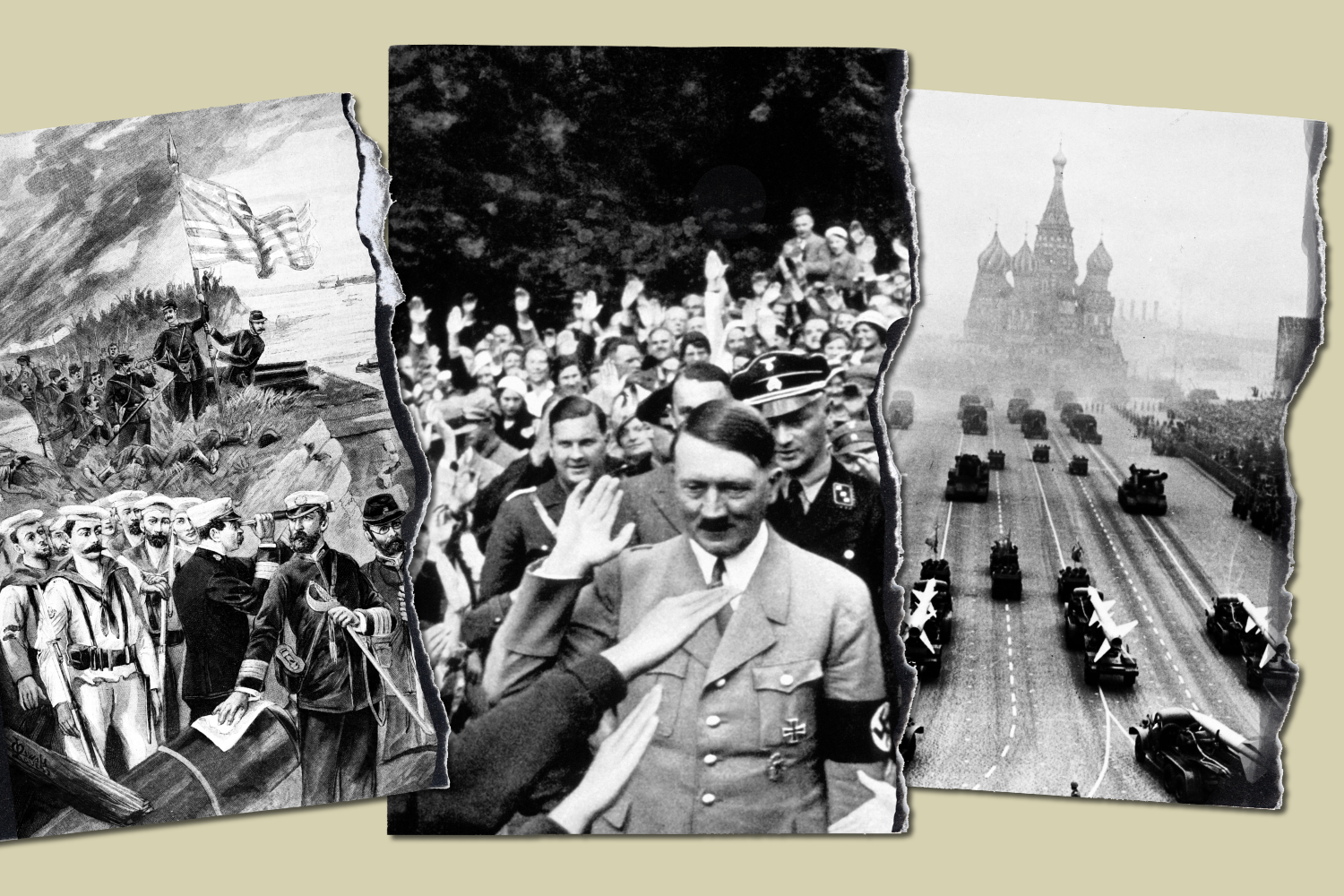
The unraveling of the post-Cold War order is accelerating as the Middle East conflict exposes the limits of traditional diplomatic institutions and great-power management. The article frames current geopolitical disorder through historical analogy—whether we are reliving the 1890s (multi-polar competition), 1930s (nationalist backlash and protectionism), or 1950s (ideological Cold War competition)—suggesting that the outcome depends on choices leaders make in the coming months.
IMF Analysis — Economics and Geopolitics in Feedback Loop
The International Monetary Fund book review highlights how a feedback loop between economics, domestic politics, and geopolitics is spiraling out of control globally. Economic stress fuels nationalist politics, which in turn destabilizes international institutions and increases military spending, further straining budgets and deepening inequality—creating conditions for additional conflict.

Escalation & De-escalation Watch
| Flashpoint | Direction | Key Indicator Today |
|---|---|---|
| Iran–Gulf Region | ↑ escalating | Iranian attacks on Kuwait infrastructure; U.S. retaliatory strikes near Strait of Hormuz |
| Ukraine–Russia | → steady | Putin signals openness to Trump mediation while maintaining hardline rhetoric |
| Middle East (Israel/Hezbollah/Lebanon) | ↑ escalating | Hezbollah rejection of ceasefire terms; UN doubles Lebanon aid appeal |
| China–Taiwan/South China Sea | → steady | Satellite imagery of disputed structure at Scarborough Shoal; China bans Taiwan-visiting lawmakers |
| North Korea–US | → steady | Xi visit to DPRK signals coordination; no new military incidents reported |
Economic & Market Linkages
Oil Markets and Global Growth Divergence: The Middle East escalation is driving oil price volatility and forcing markets to price in lower global growth. Reuters reported world shares dropped as Middle East unrest deepened, with oil prices climbing amid uncertainty. The IMF and OECD have both downgraded growth forecasts due to elevated geopolitical risk, suggesting a structural shift in how markets price in conflict risk.
Food Security and Humanitarian Costs: The World Food Programme and FAO reported that world food prices remain near three-year highs, with the Middle East conflict driving additional price spikes through disrupted transport and fuel cost increases. This threatens food security across multiple regions and adds fiscal pressure on development agencies.
What to Watch Next
- June 6–7, 2026: Xi's visit to North Korea concludes; any joint statements on regional policy or military coordination will signal Beijing's strategic direction amid U.S.-China tensions.
- Mid-June 2026: Expected new round of ceasefire negotiations for Middle East conflict; outcome will determine whether escalation continues or de-escalation begins.
- Late June 2026: OECD and IMF release updated growth forecasts; downward revisions would signal broader alarm about geopolitical risk contagion.
- Ongoing: Diplomatic shuttle between U.S. and regional powers (Saudi Arabia, UAE, Israel) to contain escalation before broader conflict emerges.
Reader Action Items
-
Monitor oil and commodity prices daily: Geopolitical risk is now the primary driver of volatility. Track Brent crude, natural gas, and agricultural commodities for signals of escalation or de-escalation in the Middle East.
-
Subscribe to primary-source feeds: Follow Reuters World, AP World, and official government statements (U.S. State Department, EU External Action Service, UN press releases) for real-time geopolitical updates before market reaction.
-
Track central bank communications: Watch for commentary from the Fed, ECB, and Bank of England on how geopolitical risk is affecting monetary policy decisions—inflation expectations tied to energy prices are now a critical variable for rate decisions.
Compiled from wire services (Reuters, AP, BBC), official government sources (U.S. State Department, White House, UN), and leading foreign-policy think tanks (Foreign Policy, IMF, OECD, Chatham House, CSIS).
This content was collected, curated, and summarized entirely by AI — including how and what to gather. It may contain inaccuracies. Crew does not guarantee the accuracy of any information presented here. Always verify facts on your own before acting on them. Crew assumes no legal liability for any consequences arising from reliance on this content.
Powered by
