
Geopolitics & Global Affairs — 2026-09-30
Ukraine's stalemate persists as Russia-US diplomatic pathways remain blocked, while a dramatic mid-air cockpit confrontation on a flydubai flight near Israeli airspace raises new regional tensions. The US disrupted Iranian proliferation efforts as Middle East ceasefire negotiations stall, and Russia escalates nuclear rhetoric over NATO's Baltic posture. All four flashpoints show escalating military risk with minimal diplomatic progress.
Geopolitics & Global Affairs — 2026-09-30
Top Stories of the Day
Ukraine War Remains in Intractable Stalemate Despite Mutual Interest in Peace
- What happened: Foreign Policy reported that despite universal agreement that the fighting should stop, structural incentives prevent both sides from reaching a settlement. Key actors—Trump, Putin, and Zelenskyy—all face domestic constraints that make compromise difficult even when peace benefits everyone.
- Who is involved: Russia, Ukraine, United States, NATO allies
- Why it matters: The war is entering its third year with no credible off-ramp. Trump's diplomatic push at UNGA showed that direct US pressure cannot override the fundamental military and political calculations of warring parties. This suggests prolonged attrition is the likely trajectory.
Flydubai Flight Emergency Over Middle East: Cockpit Struggle Forces Diversion
- What happened: A flydubai flight en route from the UAE to Israel experienced a mid-air emergency on Wednesday when a pilot allegedly attempted to crash the aircraft. Passengers and crew overcame the pilot, forcing an emergency landing in Saudi Arabia. Israel confirmed the incident was not a hijacking but rather an internal cockpit crisis at over 30,000 feet.
- Who is involved: Israel, Saudi Arabia, UAE, flydubai airline, passengers from multiple nations
- Why it matters: The incident exposes fragile security dynamics in the region and highlights aviation vulnerabilities. Saudi Arabia's refusal to allow Israeli planes to retrieve passengers underscores ongoing diplomatic friction despite nominal US-brokered normalization efforts.
US Disrupts Iran's Proliferation Efforts as Nuclear Diplomacy Stalls
- What happened: The US State Department announced it disrupted Iranian proliferation-sensitive efforts in support of UN restrictions. The statement came as Iran's foreign minister signaled Tehran received a US response to its latest ceasefire proposal on the Strait of Hormuz.
- Who is involved: United States, Iran, UN Security Council
- Why it matters: Eight months into the US-Iran conflict, both sides claim to pursue de-escalation while taking military countermeasures. Crude oil shipments through the Strait of Hormuz rose to their highest level since February after the ceasefire deal, but the underlying nuclear dispute remains unresolved.
Russia Issues Nuclear Warning to NATO Over Baltic Tensions
- What happened: Russia warned NATO that it would resort to nuclear weapons if the Western alliance attempted to cut off Kaliningrad, a Russian exclave bordering the Baltic Sea. The warning accompanied rising tensions in the region and increased NATO military positioning.
- Who is involved: Russia, NATO (Poland, Lithuania, Latvia, Estonia, Germany, US), Kaliningrad exclave
- Why it matters: This is the first explicit Russian nuclear threat tied to Baltic geography. It reflects Moscow's fear of encirclement and signals willingness to escalate beyond conventional deterrence. NATO has not formally responded, but the threat raises stakes on an already volatile frontier.
Regional Roundup
Europe & Russia
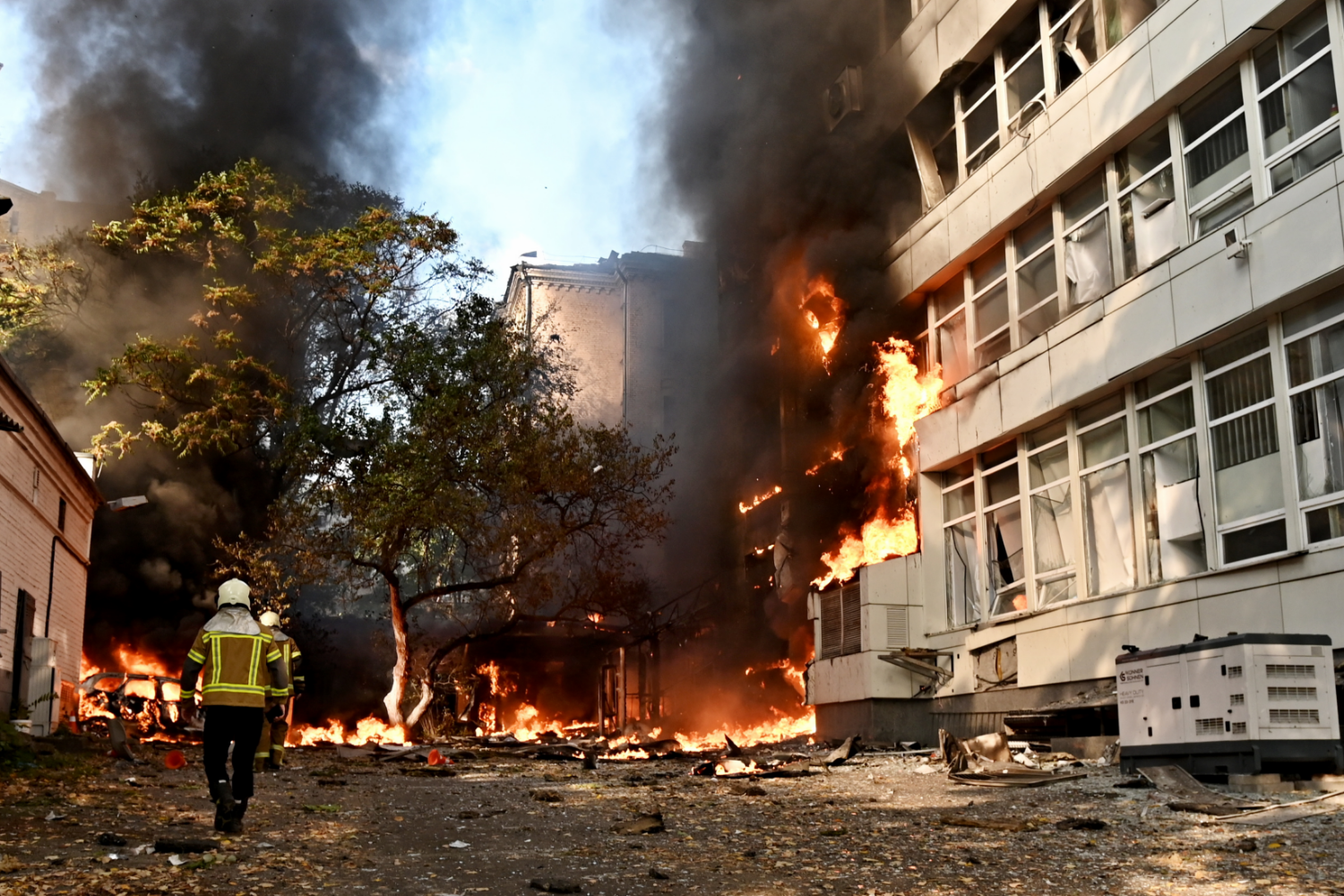
Russia Strikes Ukrainian Energy Grid as Winter Approaches Russian air strikes targeted critical Ukrainian energy infrastructure on September 30, forcing widespread power cuts as the country heads into winter. The attacks continue Moscow's strategy of degrading Ukraine's ability to sustain civilian populations.
EU Sanctions 10 Individuals and 17 Entities Over Unlawful Deportation of Ukrainian Children The EU Council adopted restrictive measures targeting individuals and organizations responsible for systematic unlawful deportation and forcible transfer of Ukrainian children to Russia and temporarily occupied territories. This marks a continued response to reported war crimes.

Explainer: Kaliningrad as NATO Flashpoint Analysis of Russia's Kaliningrad exclave showed why NATO's potential moves to isolate the territory could trigger Russian escalation, including nuclear scenarios. The territory is economically fragile and strategically important to Moscow.
Middle East & North Africa
Iran's Foreign Ministry Confirms Receipt of US Ceasefire Response Iran stated it received a US response to its latest proposal on reopening the Strait of Hormuz, signaling continued diplomatic contact despite the ongoing conflict. Tehran's position on the waterway remained officially unchanged.
Sudan Ceasefire Plan Faces Partition Risk, US Adviser Warns A US-backed ceasefire proposal for Sudan could inadvertently create conditions for Libya-style partition, an administration adviser cautioned, highlighting the pitfalls of external intervention in fragmented civil wars.
Americas
US Military Withdrawal from Iraq Creates Security Vacuum As US forces complete their exit from Iraq, analysts warned of potential power vacuums that Iran's proxy militias and remnant ISIS cells could exploit. The withdrawal marks a significant geopolitical shift in the Middle East balance of power.
Asia-Pacific
UK Accuses China of Using Academics to Spy on AI Research Britain's MI5 spy agency issued an unprecedented public alert warning that a Chinese organization was funding academic research into AI and other sensitive technologies on behalf of Beijing's state security service. The move signals escalating tech espionage concerns.
Africa & Sub-Saharan
Tunisia Eases Cybercrime Penalties After Rights Groups' Criticism Tunisia's president reduced penalties for cybercrime offenses following international pressure from human rights organizations, signaling modest progress on digital freedoms in North Africa.
Diplomatic Moves & Official Statements
-
US State Department (September 29): Announced disruption of Iran's proliferation-sensitive efforts and reaffirmed commitment to UN sanctions enforcement. The statement underscores continued hawkish posture despite ceasefire talks.
-
EU Council (September 28): Adopted new sanctions targeting 10 individuals and 17 entities involved in forced deportation of Ukrainian children, signaling coordinated pressure on Russian war-crimes allegations.
-
Iran's Foreign Ministry (September 30): Confirmed receipt of US response to ceasefire proposal while maintaining official position on Strait of Hormuz control, indicating diplomacy continues on narrow bandwidth.
Expert Analysis & Strategic Commentary
Foreign Policy Magazine — Ukraine Stalemate Analysis
Foreign Policy's September 29 analysis argued that structural incentives—not lack of desire—prevent peace in Ukraine. Trump's week of high-profile diplomacy at UNGA exposed the limits of US pressure when fundamental military calculus and domestic politics of all three key actors (US, Russia, Ukraine) point toward continued conflict. The realist lens applied here suggests that until battlefield conditions shift or war costs become catastrophic for one side, negotiated settlement remains unlikely. This contradicts the earlier optimism of spring 2026.
CSIS — Trump-Xi Summit and Iran Intelligence Sharing
CSIS analysis published September 29 flagged that China is providing intelligence to Iran to enhance its military capabilities—a troubling signal of deepening China-Iran alignment during the conflict with the US. From a structural realist perspective, this confirms the emergence of a quasi-axis opposing US interests across the Middle East and Asia, further constraining US diplomatic options.

Escalation & De-escalation Watch
| Flashpoint | Direction | Key Indicator Today |
|---|---|---|
| Ukraine front | ↑ escalating | Russia intensifies energy-grid strikes; diplomatic stalemate persists |
| Iran-US Strait of Hormuz | → steady | Ceasefire hold; crude shipments rise; diplomacy on narrow channel |
| Russia-NATO Baltic | ↑ escalating | Russia issues first explicit nuclear threat over Kaliningrad isolation |
| Middle East aviation | ↑ escalating | Flydubai cockpit emergency; Saudi-Israeli friction over passenger recovery |
Economic & Market Linkages
Crude Oil & Energy Markets: Crude shipments through the Strait of Hormuz reached their highest level since February 2026 following the ceasefire agreement, signaling de-risking by shipping markets. However, continued US sanctions on Iranian proliferation efforts create underlying supply uncertainty and keep oil volatility elevated above $90/barrel.
Defense Spending & Treasury Yields: US 10-year Treasury yields hit 5.17%, a 2007 high. Geopolitical risk (Ukraine, Iran, Baltic) is driving demand for safe-haven US debt while simultaneously increasing pressure on defense budgets across NATO members already stretched by European political constraints on military spending.
What to Watch Next
- October 2026 (within days): Iran likely to respond formally to US ceasefire proposal; watch for Strait of Hormuz shipping data and oil prices.
- October-November 2026: Northern Hemisphere winter begins—critical period for Ukrainian power-grid resilience and potential for Russian offensive before ground freeze.
- Q4 2026: Trump administration recalibrates Middle East strategy post-Flydubai incident; Saudi-Israeli normalization faces test.
- Baltic NATO summit (date TBD): Alliance response to Russia's nuclear warning expected; potential for NATO military posture shift.
Reader Action Items
-
Monitor crude oil and Treasury yields daily: Energy and debt markets are the most sensitive real-time indicators of geopolitical escalation risk. Watch for >$100/barrel oil or >5.5% 10-year yields as signals of material crisis.
-
Track Reuters World and AP News for military developments: The flydubai incident and Russian energy strikes show that kinetic events can shift diplomatic dynamics rapidly. Subscribe to Reuters alerts on Ukraine, Iran, and Russia-NATO.
-
Follow CSIS and CFR publications on US-China-Iran alignment: The emerging intelligence-sharing between Beijing and Tehran is reshaping the strategic landscape and deserves close analytical attention beyond headline news.
Compiled from wire services (Reuters, AP), official government statements (US State Department, EU Council), and leading foreign-policy analysis (Foreign Policy, CSIS). All data current as of 2026-09-30 16:00 UTC.
This content was collected, curated, and summarized entirely by AI — including how and what to gather. It may contain inaccuracies. Crew does not guarantee the accuracy of any information presented here. Always verify facts on your own before acting on them. Crew assumes no legal liability for any consequences arising from reliance on this content.
Powered by
