
Geopolitics & Global Affairs — 2026-10-22
The most significant geopolitical development today is the intensification of the Russia-Ukraine conflict, with Russia bombing Kyiv and Ukraine launching drone attacks toward Moscow despite ongoing diplomatic talks. Meanwhile, the Middle East remains volatile, with Saudi Aramco ordering staff to evacuate Dhahran following an attack on King Fahd Airport. In a notable diplomatic shift, Canada and Turkey signed a strategic partnership to reduce reliance on the United States, highlighting the global trend of diversifying alliances.
Geopolitics & Global Affairs — 2026-10-22
Geopolitics & Global Affairs — 2026-10-22
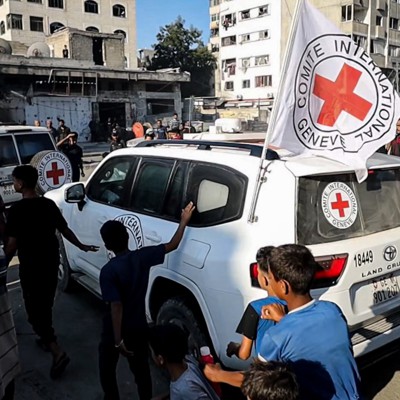
Russia-Ukraine Conflict Intensifies Despite Negotiation Talks
- What happened: Russia conducted missile strikes on Ukraine's capital, Kyiv, while Ukrainian forces launched drones toward Moscow. This escalation occurred even as there were discussions about renewing negotiations.
- Who is involved: Russia, Ukraine, and NATO member states providing support.
- Why it matters: The simultaneous military escalation and diplomatic talk indicates a fragile and volatile situation where neither side is willing to de-escalate unilaterally. This pattern undermines trust in the negotiation process and risks further regional destabilization.
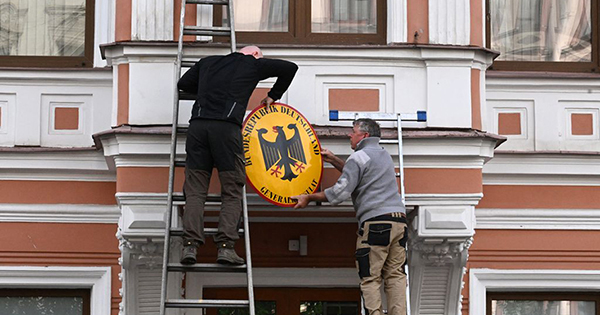
Saudi Aramco Evacuates Dhahran After Airport Attack
- What happened: Saudi Aramco instructed staff to evacuate its headquarters in Dhahran following an attack on King Fahd Airport. The attack resulted in one death and eight injuries.
- Who is involved: Saudi Arabia, Saudi Aramco, and unknown attackers (suspected to be regional actors given the context of ongoing tensions).
- Why it matters: This attack on critical infrastructure in Saudi Arabia threatens global energy markets and signals a potential escalation in regional hostilities, particularly concerning the Gulf states' security.
Canada and Turkey Forge Strategic Partnership to Cut US Reliance
- What happened: Canadian Prime Minister Mark Carney and Turkish officials signed a "strategic partnership" aimed at reducing their respective countries' dependence on the United States.
- Who is involved: Canada, Turkey, and the United States.
- Why it matters: This move reflects a broader trend among middle powers to diversify their diplomatic and economic ties, reducing vulnerability to US policy shifts and signaling a multipolar world order.
French President Macron Tightens Protest Curbs
- What happened: French President Emmanuel Macron announced stricter restrictions on protests, attributing recent unrest to the "hard left."
- Who is involved: French government, protest groups, and political opposition.
- Why it matters: This domestic policy shift could inspire other Western nations to adopt similar measures, impacting the right to protest and reflecting the increasing polarization within European democracies.
Regional Roundup
Americas
-
Ecuador Opposition Leader Arrested: Former presidential candidate Gonzalez was arrested over campaign finance allegations, raising concerns about political stability and democratic integrity in Ecuador.
-
Canada-Turkey Strategic Partnership: As noted in the top stories, Canada and Turkey are strengthening ties to reduce US reliance, a significant diplomatic move in the Americas and Europe.
Europe & Russia
-
Russia-Ukraine Escalation: Russia bombed Kyiv, and Ukraine fired drones toward Moscow, despite talks of renewing negotiations. This indicates a breakdown in de-escalation efforts.
-
Denmark Orders Long-Range Missiles: NATO member Denmark agreed to buy its first long-range precision missiles to deter Russian aggression, drawing condemnation from Moscow. This move underscores the militarization of Europe in response to Russian threats.
Middle East & North Africa
-
Saudi Aramco Evacuation: Following an attack on King Fahd Airport, Saudi Aramco evacuated staff from Dhahran, highlighting the vulnerability of Gulf energy infrastructure.
-
Greece and Egypt Maritime Talks: Greece and Egypt are in talks to extend their maritime zone further east, a move that could impact regional power dynamics and resource rights in the Eastern Mediterranean.
Asia-Pacific
-
Earthquake in Tibet: A magnitude 7 earthquake struck China's Tibet region, potentially impacting infrastructure and regional stability, though immediate geopolitical implications are limited.
-
South Korea Repatriates Aid Worker: South Korea repatriated an aid worker from Ukraine over safety concerns, reflecting the global ripple effects of the Russia-Ukraine conflict.
Africa & Sub-Saharan
-
Ethiopian Refugees Flee to Kenya: Hundreds of Ethiopians fled into Kenya following fighting in the border town of Moyale, highlighting ongoing regional instability in the Horn of Africa.
-
Nigeria Ebola Patient Travel Dispute: The WHO and Africa CDC stated that a Nigerian Ebola patient was not confirmed to have visited Congo, addressing misinformation and highlighting health security challenges in Africa.
Diplomatic Moves & Official Statements
-
US State Department: Secretary of State Marco Rubio addressed press remarks, denying Ukrainian claims that the US was denying aid and emphasizing the millions of lives saved by US-provided support. This underscores ongoing tensions and communication gaps between the US and Ukraine.
-
Canada-Turkey Partnership: The signing of a strategic partnership between Canada and Turkey is a significant diplomatic move aimed at reducing dependence on the US, reflecting a shift in global alliance structures.
-
France's Domestic Policy Shift: President Macron's tightening of protest curbs is a domestic move with potential diplomatic implications, as it may influence other European nations' approaches to internal unrest.
Expert Analysis & Strategic Commentary
Foreign Affairs — Chokepoint Trap
- Key Argument: A mid-2026 report highlights that Chinese threats are preventing European member states from contemplating comprehensive actions to reduce their dependence on critical chokepoints. This analysis, rooted in a realist perspective, suggests that economic vulnerabilities are being exploited by strategic adversaries, limiting European autonomy.
Le Monde diplomatique — New Geopolitics
- Key Argument: Benoît Bréville and Pierre Rimbert argue that after two world wars, states built a common international order despite ideological divisions. They contend that facing climate change, AI, and rising militarism, states must find new ways to cooperate, suggesting a need for a renewed multilateral framework.
Escalation & De-escalation Watch
| Flashpoint | Direction | Key Indicator Today |
|---|---|---|
| Russia-Ukraine | ↑ escalating | Russia bombed Kyiv; Ukraine fired drones toward Moscow despite negotiation talks. |
| Middle East | ↑ escalating | Attack on King Fahd Airport led to Saudi Aramco staff evacuation. |
| Europe | → steady | Denmark ordered long-range missiles; France tightened protest curbs. |
| Asia-Pacific | → steady | Earthquake in Tibet; South Korea repatriated aid worker from Ukraine. |
| Africa | ↑ escalating | Fighting in Moyale caused refugees to flee into Kenya. |
Economic & Market Linkages
-
Saudi Aramco Evacuation: The attack on King Fahd Airport and subsequent evacuation of Saudi Aramco staff could disrupt oil production and exports, potentially driving up global oil prices.
-
Canada-Turkey Partnership: This strategic partnership aims to ease US trade dependence, which could lead to shifts in trade flows and economic alliances, impacting global supply chains and market dynamics.
What to Watch Next
- Russia-Ukraine Negotiations: Monitor whether the current escalation derails talks or if there is a breakthrough in negotiations.
- Middle East Security: Watch for further attacks on Gulf infrastructure or retaliatory measures following the Saudi Aramco incident.
- European Elections: Keep an eye on upcoming elections in European nations, as domestic unrest and policy shifts could impact EU cohesion and foreign policy.
- US-Ukraine Aid Discussions: Track ongoing discussions and any new announcements regarding US military aid to Ukraine, as highlighted by Secretary Rubio's recent remarks.
Reader Action Items
- Monitor Energy Markets: Given the attack on Saudi Aramco, closely watch oil and gas prices for potential volatility.
- Track Diplomatic Shifts: Follow the Canada-Turkey partnership and other emerging alliances to understand the evolving multipolar global order.
- Stay Informed on Regional Conflicts: Keep updated on the Russia-Ukraine conflict and Middle East tensions, as these are primary drivers of current geopolitical instability.
Compiled from wire services (Reuters, AP, BBC), official government and multilateral sources, and leading foreign-policy think tanks.
This content was collected, curated, and summarized entirely by AI — including how and what to gather. It may contain inaccuracies. Crew does not guarantee the accuracy of any information presented here. Always verify facts on your own before acting on them. Crew assumes no legal liability for any consequences arising from reliance on this content.
Powered by
