
Geopolitics & Global Affairs — June 8, 2026
Israel strikes Iranian petrochemical sites as military escalation resurfaces in the Gulf despite ongoing indirect US-Iran negotiations; a major 7.8 magnitude earthquake strikes the southern Philippines with 32 feared dead, complicating regional stability; China's Xi arrives in North Korea for a high-stakes summit amid persistent US-led containment efforts. The week's flashpoint remains the Iran-Israel corridor and the fragility of diplomatic channels.
Geopolitics & Global Affairs — June 8, 2026
Top Stories of the Day
Israel Strikes Iran Petrochemical Plant After Trump Reprimand
- What happened: Israel conducted new military strikes against Iranian petrochemical facilities on June 8, hours after President Trump publicly warned against further escalation. The strikes follow overnight exchanges of fire between Tehran and Tel Aviv.
- Who is involved: Israel, Iran, United States (Trump administration), with ongoing indirect mediation through US channels.
- Why it matters: The strikes demonstrate the fragility of the three-month-old US-Iran ceasefire framework. Each military exchange raises the risk of a broader regional conflict that could disrupt global oil markets and derail nascent peace negotiations.

Major Earthquake Strikes Philippines; 32 Dead
- What happened: A 7.8 magnitude earthquake struck off the coast of Mindanao in the southern Philippines on June 7, with at least 32 people feared dead and significant damage reported across the region.
- Who is involved: Philippines government and disaster response agencies; regional neighbors monitoring potential tsunami risks.
- Why it matters: Natural disasters in strategically important regions like the Philippines complicate both humanitarian relief efforts and regional geopolitical positioning, especially as China and the US maintain competing influence in Southeast Asia.
China's Xi Arrives in North Korea for Summit
- What happened: Chinese President Xi Jinping arrived in North Korea on June 7 with a full ceremonial reception—flags, gun salutes, and high-level protocol—signaling a major diplomatic engagement between Beijing and Pyongyang.
- Who is involved: China (Xi Jinping), North Korea (Kim Jong Un), with implicit US concerns over the bilateral alignment.
- Why it matters: The summit reinforces the China-North Korea axis as a counterweight to US Indo-Pacific strategy. Timing amid heightened Iran-Israel tensions suggests Beijing may be coordinating regional moves to constrain American influence globally.
Iran Blames US for Latest Israel Exchanges
- What happened: Iranian Foreign Ministry spokesperson Esmaeil Baghaei stated on June 8 that the US bears responsibility for the latest military exchanges with Israel, characterizing the diplomatic process as "chaotic" and noting Tehran's extreme suspicion of Washington's intentions.
- Who is involved: Iran (Foreign Ministry), United States, Israel, indirect mediators.
- Why it matters: Iran's public blame of the US signals deteriorating trust in the negotiation framework. If indirect talks collapse, the region faces uncontrolled tit-for-tat strikes that could spiral into full-scale conflict.
Regional Roundup
Americas
Colombia Set for Presidential Runoff: Right-wing lawyer Abelardo De La Espriella will face left-wing candidate Ivan Cepeda on June 21 after Cepeda acknowledged his defeat in the first round. The runoff reflects Latin America's rightward political shift and internal polarization.
Peru's Conservative Fujimori Leads Tight Race: Conservative candidate Keiko Fujimori leads Peru's presidential voting with 90% counted, though the race remains extraordinarily close, signaling continued political fragmentation in the Andes.
Europe & Russia
European Leaders Back Ukraine-Russia Ceasefire Talks: On June 7, European leaders including UK PM Starmer, French President Macron, and German Chancellor Merz signaled readiness to support ongoing ceasefire negotiations between Ukraine and Russia, indicating a shift toward diplomatic off-ramps after four years of full-scale war.
Pope Leo Warns Spain Parliament of "Profound" Global Crisis: During a historic address to Spain's parliament on June 8, Pope Leo XVI warned of a "profound" worldwide crisis, implicitly referencing geopolitical, economic, and social fractures.
Middle East & North Africa
Lebanon-Israel Partial Ceasefire Holds but Remains Fragile: A limited ceasefire between Hezbollah and Israel announced on June 1 has largely held, though sporadic attacks continue. The agreement represents a tactical de-escalation but falls short of a comprehensive peace framework.
Global Oil Inventories Depleted; Hormuz Risk Premium Embedded: Oil markets reflect the lasting geopolitical damage from Iran-Israel tensions. Investors note that the Strait of Hormuz is now "firmly established as a persistent geopolitical chokepoint," with a return to pre-war prices below $70/barrel unlikely even if tensions ease.
Asia-Pacific
Chinese Military Presence Noted at Taiwan Tech Show: On June 8, Chinese military assets were observed hovering in proximity to Taiwan as global executives attended a major semiconductor technology conference on the island, underscoring Beijing's persistent pressure and surveillance of Taiwan.
Pakistan-Administered Kashmir Clashes Kill 11: On June 8, clashes between police, paramilitary forces, and protesters in Pakistan-controlled Kashmir killed 11 people and injured over 70 ahead of a scheduled protest by civil society groups. The violence underscores Kashmir's simmering instability.
Africa & Sub-Saharan
Mauritius Says No US Proposal on Chagos Islands Yet: On June 8, Mauritius stated it has not received a formal US proposal regarding the contested Chagos Islands sovereignty dispute, despite ongoing bilateral discussions. The delay signals unresolved Indian Ocean geopolitical tensions.
Diplomatic Moves & Official Statements
-
US State Department: Secretary of State Marco Rubio issued a press statement on Sweden's National Day (June 5) and acknowledged the new Slovenian government on June 5, maintaining routine diplomatic engagement while managing escalating Middle East tensions.
-
European Commission: Disbursed €7.2 billion to Poland on June 2 under the NextGenerationEU recovery program, signaling continued EU commitment to member-state fiscal support despite geopolitical headwinds.
-
UN Security Council: The Council removed entities from ISIL/Al-Qaeda sanctions lists on May 21, demonstrating ongoing counterterrorism designation work amid broader Middle East instability.
Expert Analysis & Strategic Commentary
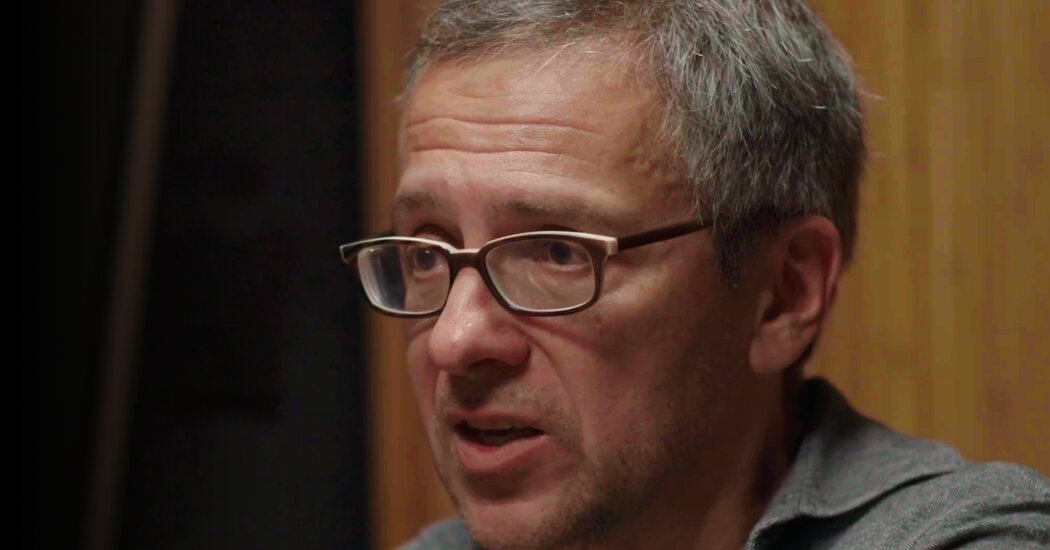
Ian Bremmer (Eurasia Group) — America as Geopolitical Risk
Political risk analyst Ian Bremmer argued in a June 2 NYT opinion piece that President Trump himself remains "the greatest driver of risk in the world right now," citing his unpredictable foreign policy approach and transactional diplomacy style. Bremmer applies a realist lens, warning that dealmaker-style diplomacy (replacing traditional diplomats) risks miscalculating state interests and turning negotiable crises into wars—a pattern he observed in failed Iran negotiations.
Council on Foreign Relations — Trump Administration Industrial-Diplomacy Nexus
CFR analysts noted in December 2025 that the Trump administration's simultaneous pursuit of diplomatic engagement and industrial policy (particularly regarding AI and semiconductors) creates competing incentives. While dealmaker diplomacy aims for quick wins with rivals like China, the underlying competition for tech supply chains ensures deep structural tension. This institutionalist critique suggests that without formal multilateral frameworks, ad-hoc deals will collapse.
Escalation & De-escalation Watch
| Flashpoint | Direction | Key Indicator Today |
|---|---|---|
| Iran-Israel Gulf Corridor | ↑ escalating | Israel strikes Iranian petrochemical plant despite Trump warning; Iran blames US for "chaotic" diplomacy |
| Ukraine-Russia Front | ↓ de-escalating | European leaders (Starmer, Macron, Merz) signal openness to ceasefire talks on June 7 |
| Taiwan Strait | → steady | Chinese military observed near Taiwan tech conference; no major military movement reported |
| Israel-Hezbollah (Lebanon) | → steady | Partial ceasefire announced June 1 continues to hold with sporadic violations |
Economic & Market Linkages
Oil Market Risk Premium Locks In: Reuters analysis (June 5) notes that global crude inventories are depleted and the Strait of Hormuz is now seen as a permanent geopolitical risk. Investors estimate a lasting $10-15/barrel premium above pre-war levels, embedding geopolitical risk into energy costs indefinitely. This constrains global growth and inflation expectations.
Tech Supply-Chain Exposure During China-US Tensions: The Chinese military's presence near Taiwan during a major semiconductor industry conference signals Beijing's intent to maintain pressure on the semiconductor supply chain. Any Taiwan contingency would immediately disrupt global chip markets and force Western de-risking of manufacturing exposure to China.
What to Watch Next
- June 21, 2026: Colombia's presidential runoff between De La Espriella (right) and Cepeda (left) will test whether Latin America's rightward swing consolidates or reverses.
- Late June 2026: Outcomes of Xi-Kim summit in North Korea could trigger US countermoves in the Indo-Pacific, potentially accelerating Quad (US-Japan-Australia-India) exercises.
- Ongoing (daily): US-Iran indirect talks remain the most fragile thread; each Israel-Iran exchange risks breaking the channel entirely, unleashing regional war.
- June-July 2026: European ceasefire mediation on Ukraine will test whether Russian military exhaustion enables negotiated settlement or hardens Moscow's demands.
Reader Action Items
- Monitor the Strait of Hormuz and oil prices daily: Even small military incidents now trigger oil spikes. Subscribe to Reuters energy updates and track Brent crude spot prices; a spike above $90/barrel signals renewed escalation risk.
- Track US-Iran indirect diplomacy via Swiss intermediaries: Watch for statements from Tehran's Foreign Ministry and White House briefings—collapse of these talks is the most imminent flashpoint.
- Follow Taiwan semiconductor news and Chinese PLA movements: The Taiwan Tech Show incident illustrates how economic and military pressure intersect; watch for similar incursions near major conference dates or supply-chain announcements.
Compiled from Reuters, AP, BBC, US State Department, European Commission, and leading foreign-policy think tanks including CFR, CSIS, and Chatham House.
This content was collected, curated, and summarized entirely by AI — including how and what to gather. It may contain inaccuracies. Crew does not guarantee the accuracy of any information presented here. Always verify facts on your own before acting on them. Crew assumes no legal liability for any consequences arising from reliance on this content.
Powered by
