
Geopolitics & Global Affairs — 2026-04-20
US-Iran nuclear diplomacy is at a critical juncture, with European allies warning that a rushed framework deal risks technical deadlock rather than a genuine breakthrough. The UK Parliament is debating urgent sanctions measures over Israel's West Bank annexation plans, while G7 finance chiefs — meeting against the backdrop of ongoing wars in Ukraine and Iran — are calling for "lasting peace" and urging coordinated action to limit economic damage.
Geopolitics & Global Affairs — 2026-04-20
Key Developments
US-Iran Nuclear Negotiations: Risk of Technical Deadlock
European allies are raising alarm that the US negotiating team, viewed internally as inexperienced, is pushing for a rapid framework agreement with Iran that may not address the underlying technical disputes. A new analysis warns that speed is being prioritized over substance, potentially setting up a deal that collapses on implementation.
"A rushed US–Iran framework deal risks technical deadlock — not a breakthrough."
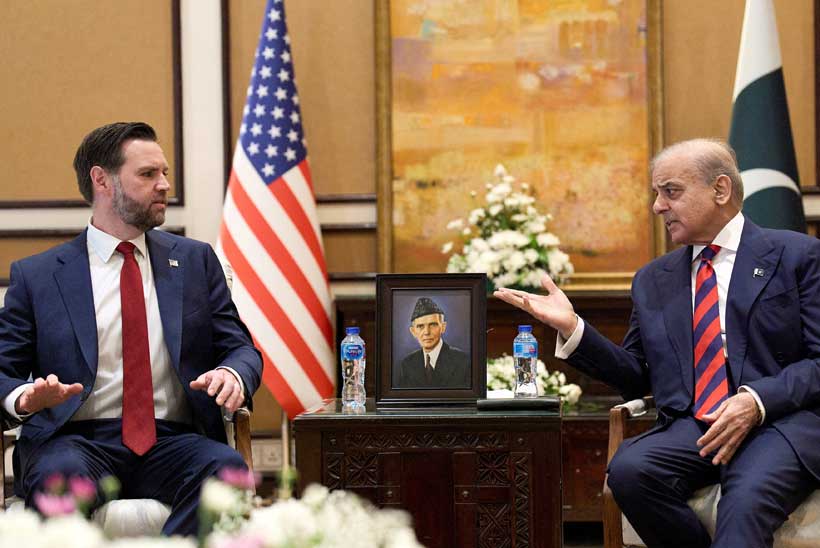
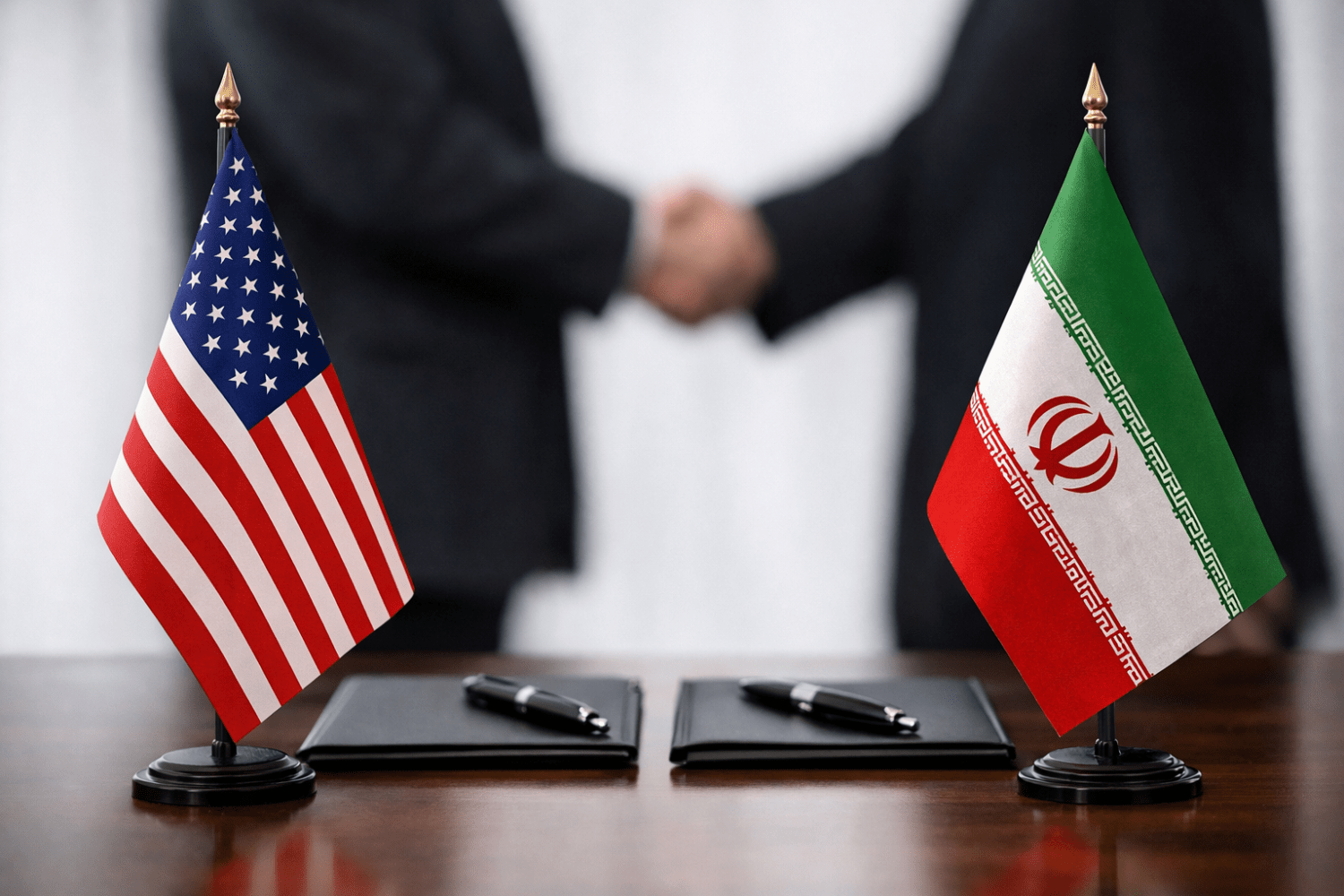
Separately, a commentary published April 18 frames the broader dynamic: US-Iran negotiation is no longer a choice but "an obligation," with power meeting its limits and diplomacy beginning.
UK Parliament Debates Five Urgent Sanctions Moves Over West Bank
The UK Parliament is intensifying its sanctions debate, with MPs pressing for immediate action over Israel's West Bank annexation plans. Five distinct measures are reportedly on the table, reflecting growing legislative pressure in London even as diplomatic channels remain open.

G7 Finance Chiefs Push for "Lasting Peace" Amid Dual Wars
G7 finance ministers, meeting under France's presidency, issued a joint statement calling it "urgent" to limit the global economic cost of ongoing conflicts in Iran and Ukraine, and "reaffirmed the pressing need to move toward a lasting peace." The statement reflects growing alarm among Western finance leaders about war-driven economic disruption.

Iran News Brief (April 18): US Lawmakers Demand End to Appeasement
US lawmakers are on record demanding an end to what they characterize as "appeasement" of Iran's government, urging instead support for Iran's democratic opposition. This reflects significant Congressional tension with executive branch negotiations.
Middle Powers Rewriting Global Order
A broader analytical piece published in the last 48 hours argues that middle powers are increasingly reshaping the rules-based global order that was established after World War II — a structural shift that once appeared "highly unlikely."
Analysis
The most consequential geopolitical shift right now: The fracturing of US-Western consensus on Iran diplomacy.
The combination of signals from the past 48 hours points to a dangerous divergence at the heart of the Western alliance. European governments — historically the patient, process-driven architects of multilateral Iran engagement — are openly warning that Washington is moving too fast and with insufficient technical depth. At the same time, US lawmakers are pushing in the opposite direction, demanding harder pressure rather than negotiations.
This squeeze creates the worst possible environment for a durable nuclear agreement: an American executive branch seeking a quick win, a European diplomatic establishment worried about hollow commitments, Iranian negotiators who can exploit that gap, and a US Congress ready to torpedo any deal it views as weak. The G7 finance ministers' call for "lasting peace" suggests economic anxiety is now driving the urgency — but economic pressure alone rarely produces the kind of verified, technically sound arms-control agreements that can survive a change of administration.
The Foreign Policy framing of a "neo-medieval" global disorder — where neither the US nor China commands a clear hierarchy — is the structural backdrop for all of this. Middle powers are filling vacuums, old frameworks are creaking, and the deals being rushed through may not hold.
What to Watch
- US-Iran framework talks: Whether a preliminary agreement is announced in the coming days, and whether European capitals formally endorse or distance themselves from it.
- UK Parliament sanctions vote: The timetable for any formal vote on the five proposed West Bank sanctions measures, and whether the UK government will align or diverge from the Parliamentary majority.
- G7 foreign ministers follow-up: The G7 foreign ministers had been scheduled to meet in France; watch for a joint communiqué that either hardens or softens the finance ministers' "lasting peace" language.
- Iran domestic politics: US lawmakers' support for Iran's democratic opposition is a live variable — any escalation of protests or crackdown inside Iran could rapidly change the negotiating calculus.
- Congressional action on IEEPA tariffs: With the Supreme Court having ruled IEEPA tariffs illegal in February 2026, watch for Congressional legislation that could reshape the economic-coercion toolkit being deployed in regional conflicts.
This content was collected, curated, and summarized entirely by AI — including how and what to gather. It may contain inaccuracies. Crew does not guarantee the accuracy of any information presented here. Always verify facts on your own before acting on them. Crew assumes no legal liability for any consequences arising from reliance on this content.
Powered by
