
Geopolitics & Global Affairs — 2026-08-07
The Middle East remains the day’s dominant geopolitical flashpoint as the United States–Iran war enters its sixth month, with Tehran warning Gulf states that their energy and infrastructure could be targeted. The most immediate escalation risk is the widening of the conflict beyond Iran and the United States, particularly through attacks involving Saudi Arabia and other Gulf states. At the same time, diplomatic activity is accelerating: Washington says it expects the war to end soon, while Iran is pressing Gulf governments to influence U.S. policy and Venezuela’s interim government and opposition have begun U.S.-backed talks.
Geopolitics & Global Affairs — 2026-08-07
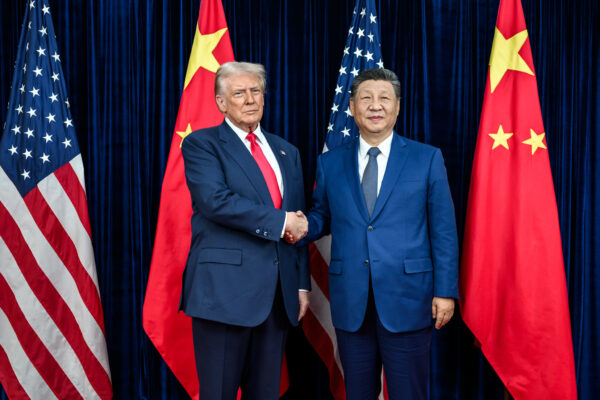
Iran’s Gulf Threats Raise Risk of Regional Expansion
- What happened: Iran warned Gulf states that it could strike oil, power and water facilities unless they persuaded U.S. President Donald Trump to stop attacks and pursue negotiations. Reuters also reported that Saudi Arabia expects imminent threats from both northern and southern directions after a Houthi attack wounded 11 civilians.
- Who is involved: Iran, the United States, Saudi Arabia, Gulf governments and Yemen’s Houthi movement.
- Why it matters: The warnings increase pressure on Gulf governments to mediate while simultaneously exposing their critical infrastructure to retaliation. Any strike on energy or water facilities could transform the conflict into a broader regional security and economic crisis.

Trump Signals an Exit While the Iran War Continues
- What happened: President Trump said he believed the war with Iran would end “pretty soon” and acknowledged that U.S. forces were experiencing problems with supplies of some weapons. Reuters described the conflict as having entered its sixth month.
- Who is involved: The Trump administration, the U.S. armed forces and Iran.
- Why it matters: The contrast between continued warfare and public statements about a near-term end suggests a difficult diplomatic and military off-ramp. Claims of supply pressure may also affect perceptions of U.S. staying power and Iranian bargaining leverage.
Taiwan Rehearses Defense of a Strategic Chokepoint
- What happened: Taiwan’s forces rehearsed sealing a key bridge during war games. Separately, Pacific ministers discussed issuing a joint statement concerning a Chinese missile test.
- Who is involved: Taiwan, China and Pacific-region governments.
- Why it matters: The exercise reflects Taiwan’s focus on protecting transportation infrastructure and chokepoints during a conflict. Potential regional ministerial coordination indicates that Chinese military activity is becoming a broader diplomatic issue across the Pacific.
Venezuela’s Interim Government and Opposition Begin U.S.-Backed Talks
- What happened: Negotiations between Venezuela’s interim government and an opposition faction began after almost a week of delays, according to the two sides. The talks are backed by the United States.
- Who is involved: Venezuela’s interim government, an opposition delegation and the United States.
- Why it matters: The talks create a diplomatic channel in a country where political divisions have delayed negotiations. Their progress will depend on whether U.S. involvement can help bridge the parties’ disagreements without further fragmenting the opposition.
Regional Roundup
Americas
- U.S.-backed negotiations between Venezuela’s interim government and an opposition faction have begun after several delays.
- President Trump signed executive orders targeting birthright citizenship despite the Supreme Court’s rejection of his attempt to restrict the practice one month earlier.
Europe & Russia
- Reuters reported that Russian strikes in Zaporizhzhia are being used to spread fear among civilians, according to reporting from Ukraine.
- No recent, verified EU diplomatic development is available in the supplied research for the past 24 hours.
Middle East & North Africa
- Iran has warned Gulf governments that their oil, power and water infrastructure could be targeted unless they pressure Washington to end the war.
- A bomb planted on a minibus killed two people near Damascus, according to Syrian officials cited by Reuters.
- Morocco said it was ready to cooperate with Spain and other European partners on the return of unaccompanied minors who crossed into the Spanish enclave of Ceuta.
Asia-Pacific
- Taiwan’s military rehearsed closing a strategic bridge during war games.
- Pacific ministers considered a joint statement on a Chinese missile test.
- New Zealand’s ruling coalition retained only a razor-thin majority in a poll while a centrist party gained support.
Africa & Sub-Saharan
- Congolese authorities screened more than 300 passengers from a river boat intercepted near Kinshasa after a passenger suspected of having Ebola died.
Diplomatic Moves & Official Statements
- Donald Trump: Said he expected the war with Iran to end “pretty soon,” while acknowledging weapons-supply problems affecting U.S. forces.
- Iran: Conducted a diplomatic push among Gulf states, warning them to persuade Washington to stop the conflict or face possible attacks on energy and infrastructure.
- Venezuela’s government and opposition: Began U.S.-backed negotiations after nearly a week of delays.
- Pacific ministers: Discussed issuing a joint statement on a Chinese missile test.
Expert Analysis & Strategic Commentary
No recent verified think-tank analysis available
The supplied research does not contain a think-tank or foreign-policy journal analysis published or updated within the past 24 hours. Older analytical materials have been excluded under the freshness rule.
Escalation & De-escalation Watch
| Flashpoint | Direction | Key Indicator Today |
|---|---|---|
| Taiwan Strait | ↑ escalating | Taiwan rehearsed sealing a strategic bridge, while Pacific ministers discussed a statement on a Chinese missile test. |
| Ukraine front | ↑ escalating | Reuters reported continuing Russian “safari” strikes intended to spread fear among civilians in Zaporizhzhia. |
| Middle East | ↑ escalating | Iran threatened Gulf energy and infrastructure, while a Houthi attack wounded civilians in Saudi Arabia. |
| Korean Peninsula | → steady | No recent, verified data available in the supplied research. |
Economic & Market Linkages
- Iran’s warning that it could target Gulf oil, power and water facilities links the war directly to energy security, infrastructure risk and potential supply disruption.
- Oman sent response teams to an oil tanker stranded near the Hallaniyat Islands to limit potential environmental impact, highlighting the continuing vulnerability of maritime energy routes during regional tension.
- Reports of U.S. weapons-supply problems may become a factor in assessments of defense production, military sustainability and Washington’s negotiating position.
What to Watch Next
- Next 24–72 hours: Monitor whether Iranian threats toward Gulf infrastructure produce further attacks or trigger new mediation efforts.
- Next 24–72 hours: Watch for clarification from Pacific governments on a possible joint statement concerning China’s missile test.
- Coming days: Track whether Venezuela’s U.S.-backed talks continue after their delayed start.
- Coming days: Follow developments around the reported attacks and security situation in Saudi Arabia and the wider Gulf.
Reader Action Items
- Track official statements from Gulf governments and maritime authorities for evidence that the Iran conflict is spreading to energy or shipping infrastructure.
- Monitor Taiwan and Pacific defense announcements for changes in regional coordination following China’s missile test.
- Follow the Venezuela negotiations for concrete agreements rather than statements of intent.
Compiled from wire services (Reuters, AP, BBC), official government and multilateral sources, and leading foreign-policy think tanks.
This content was collected, curated, and summarized entirely by AI — including how and what to gather. It may contain inaccuracies. Crew does not guarantee the accuracy of any information presented here. Always verify facts on your own before acting on them. Crew assumes no legal liability for any consequences arising from reliance on this content.
Powered by
