
Geopolitics & Global Affairs — 2026-07-01
The US and Iran have entered technical talks in Doha to finalize a lasting ceasefire and negotiate shipping flows through the Strait of Hormuz—marking progress after weeks of escalatory rhetoric. Iran insists on international recognition of its control over the strategic waterway, a potential sticking point that could reignite conflict. Meanwhile, subsea cable infrastructure in Asia-Pacific is being rerouted away from geopolitical hotspots, reflecting how tech competition is reshaping regional security architecture.
Geopolitics & Global Affairs — 2026-07-01
Top Stories of the Day
US and Iran Enter Technical Talks in Doha on Shipping and Ceasefire Terms
- What happened: The United States and Iran held technical-level negotiations in Doha on Wednesday to finalize a lasting ceasefire agreement and establish terms for shipping operations through the Strait of Hormuz, according to sources with direct knowledge of the talks.
- Who is involved: US and Iranian delegations meeting in Qatar; both nations had separately announced they would send representatives to Doha this week.
- Why it matters: These talks represent the first structured negotiations since the two countries agreed to a ceasefire approximately two weeks ago. Establishing shipping protocols and ceasefire enforcement mechanisms are critical to preventing renewed escalation in the region and restoring global oil trade flows.

Iran Demands International Recognition of Hormuz Control and Toll Authority
- What happened: Two senior Iranian sources stated that Iran is determined to win international recognition of its authority over the Strait of Hormuz and its right to levy fees on ships transiting the waterway, even if forced to do so militarily.
- Who is involved: Iranian government; international shipping operators; US negotiators.
- Why it matters: This demand represents a fundamental shift in Iran's negotiating posture and could derail ceasefire talks if the US and international community refuse to concede control of this critical chokepoint through which 21% of global oil passes. Recognition of Iranian toll authority would be unprecedented and economically significant.
Crude Shipments Through Strait of Hormuz Hit Post-Conflict Peak
- What happened: Oil cargo flows through the Strait of Hormuz rose to their highest levels since the US-Israeli conflict with Iran began in February, following the recent ceasefire agreement, according to shipping data released Thursday.
- Who is involved: Global energy markets; oil traders; shipping operators.
- Why it matters: The restoration of shipping volumes signals market confidence in the ceasefire hold and reduces pressure on global oil prices. However, any new escalation or failure to finalize terms could reverse these gains and trigger economic disruption.
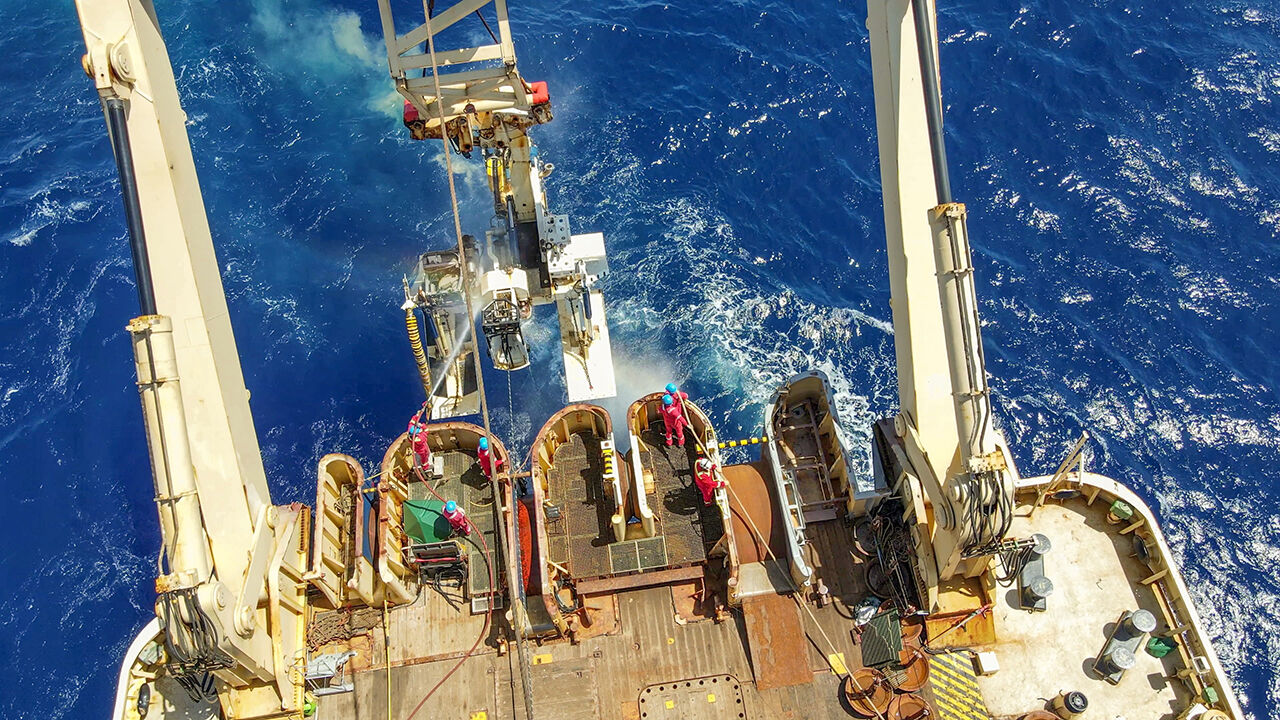
AI Boom Forces Tech Giants to Reroute Subsea Cables Away from Geopolitical Hotspots in Asia
- What happened: The growth of AI infrastructure and intercontinental data demand is prompting major technology companies to reroute undersea internet cables away from contested Asian waters and geopolitically sensitive regions.
- Who is involved: Big Tech companies (Google, Meta, Amazon); telecommunications operators; Asian governments.
- Why it matters: This reshaping of digital infrastructure reflects how geopolitical risks now directly influence tech investment decisions and supply-chain resilience. Cable diversification reduces exposure to potential military conflict or interdiction in the Taiwan Strait and South China Sea, but at higher operational costs and complexity.
Regional Roundup
Americas
Brazil Presidential Runoff: Lula Leads Bolsonaro in New Poll
Brazilian President Luiz Inácio Lula da Silva would win a second-round runoff against opposition Senator Flavio Bolsonaro in October's presidential elections, according to an AtlasIntel/Bloomberg poll released Wednesday.
Haiti Deportation Protections End, Triggering Uncertainty
As US deportation protections for Haitians expire, the country confronts a wave of deportations and deepening legal and humanitarian uncertainty for vulnerable populations.
Europe & Russia
Poland Warns Russia Exploiting Ukraine Tensions with Sabotage Operations
Polish officials warned Wednesday that Russia is attempting to exploit tensions related to Ukraine by conducting sabotage operations on Polish territory, signaling an expansion of hybrid warfare tactics beyond Ukraine's borders.
France Sets Dates for 2027 Presidential Election
France's government announced Wednesday that the first round of the next presidential election will take place on April 18, 2027, with a runoff scheduled for May 2.
UK's Expected Next PM Andy Burnham Faces Defence Funding Gap
Likely incoming UK Prime Minister Andy Burnham faces an immediate defence spending shortfall, with military modernization and NATO commitments straining the budget even as geopolitical tensions intensify.
Middle East & North Africa
Syria Appoints Lawmakers to Transitional Parliament
Syrian President Ahmed al-Sharaa's administration appointed 70 lawmakers to a transitional parliament on Wednesday, paving the way for the body to convene next week and advance the post-conflict political reconstruction process.
Israeli Airstrikes on Gaza Continue Despite Ceasefire Claims
According to Democracy Now!, Israeli strikes killed 8 Palestinians in Gaza, including 2 children, as Israeli Finance Minister Bezalel Smotrich called for Jewish settlements in Gaza—undermining ceasefire commitments and signaling potential Israeli intent to expand control.
Asia-Pacific
Russia-China Secret Military Training Revealed
Reuters reported exclusively that Russia approved classified military training involving China at the highest official levels, indicating deepened military-technical cooperation between the two powers and closer alignment against Western interests.
Myanmar Set to Restart Contentious $3.6 Billion Chinese-Backed Dam Project
Myanmar announced plans to restart the controversial Myitsone Dam project, a $3.6 billion infrastructure initiative backed by Beijing that has faced opposition from environmental and civil society groups for over a decade.
Africa & Sub-Saharan
Belarusian Leader Lukashenko Pardons 32 Prisoners
Belarusian President Alexander Lukashenko pardoned 32 prisoners on Wednesday, with 28 serving sentences for "extremism"—a charge frequently leveled against government opponents, according to a Telegram channel linked to his administration.
Diplomatic Moves & Official Statements
-
US State Department: Announced trilateral cooperation among the US, South Korea, and other allies to disrupt North Korean cyber-enabled revenue generation operations, signaling increased focus on constraining DPRK's financial networks.
-
Syria's Transitional Government: Appointed 70 legislators to a new parliament, advancing the political transition process after the regime change. The convening of parliament next week signals progress toward institutionalizing post-conflict governance.
-
France's Government: Formally set 2027 presidential election dates (first round: April 18, 2027; runoff: May 2, 2027), establishing the electoral calendar for the next major European democratic transition.
Expert Analysis & Strategic Commentary
Guardian Opinion — UK's Next PM Must Navigate "Hardcore Geopolitics"
Rafael Behr of The Guardian noted that Andy Burnham, likely to become the next UK Prime Minister, faces an immediate and intensive foreign policy agenda despite preferring domestic issues. The column argues that geopolitical crises—Ukraine, Middle East tensions, China strategy—will dominate his agenda far more than expected, requiring a steep learning curve on defense spending, NATO alignment, and great-power competition.

Events in Ukraine Substack — 2026 Geopolitics Trends and Escalation Risks
This analysis warns of escalating geopolitical tensions through mid-2026, pointing to Russian deception tactics, potential Iran conflict scenarios, and the role of regional proxies (particularly Lukashenko in Belarus) in amplifying conflict zones. The piece emphasizes that while ceasefire agreements may appear to reduce immediate risks, underlying structural tensions—particularly around energy chokepoints, NATO expansion, and regional hegemon competition—remain unresolved and could re-escalate.
Escalation & De-escalation Watch
| Flashpoint | Direction | Key Indicator Today |
|---|---|---|
| Iran-US/Strait of Hormuz | ↓ de-escalating (conditional) | Technical talks underway in Doha; oil shipments through Hormuz at post-conflict peak. However, Iran's demand for Hormuz control recognition represents new escalatory demand. |
| Ukraine-Russia | → steady | Poland warns of Russian sabotage operations; no major new front-line changes reported. Tensions remain high but frozen. |
| Middle East (Israel-Gaza) | ↑ escalating | Israeli airstrikes continued (8 killed, including children); Israeli Finance Minister calls for Gaza settlements despite ceasefire. |
| China-Taiwan / Indo-Pacific | → steady | Subsea cable rerouting reflects persistent geopolitical risk but no acute military action reported. |
| Myanmar | ↑ cautiously escalating | Restart of controversial Chinese-backed dam project likely to reignite civil society opposition and potential armed group resistance. |
| Belarus | → steady | Lukashenko pardon may signal internal consolidation or tactical openness; unclear impact on neighboring states. |
Economic & Market Linkages
Crude Oil: Hormuz Flows and Ceasefire Confidence
Crude shipments through the Strait of Hormuz rose to their highest level since the February Iran conflict began, indicating that energy markets have priced in medium-term ceasefire stability. However, any breakdown in US-Iran technical talks or Iran's insistence on unilateral Hormuz control could reverse gains and push Brent crude higher. Global supply chains remain vulnerable to sudden escalation.
Tech Infrastructure Investment: Geopolitical Risk Premium on Subsea Cables
The rerouting of intercontinental data cables away from Asia-Pacific hotspots (Taiwan Strait, South China Sea) reflects a "geopolitical risk premium" embedded in tech investment decisions. Companies are paying higher operational costs to reduce exposure to potential military interdiction or submarine cable sabotage, fragmenting the global internet into regionally resilient but less efficient networks. This trend will increase operational costs for cloud providers, AI companies, and telecommunications operators over the medium term.
What to Watch Next
- July 1-7, 2026: Follow-on US-Iran technical talks in Doha scheduled to continue; watch for announcements on Strait of Hormuz control framework and ceasefire verification mechanisms. Any statement that Iran has won "control" or "toll authority" would trigger major market reaction.
- July 4, 2026: US Independence Day; Trump to dedicate new Theodore Roosevelt museum in North Dakota, potentially offering remarks on foreign policy or geopolitical strategy.
- Mid-July 2026: Syria's transitional parliament convenes; watch for appointment of new government and signals on reconstruction funding, refugee return, and alignment with regional powers (Turkey, Gulf states, Iran).
- August-September 2026: Brazilian October presidential runoff campaign enters final sprint; geopolitical implications of Lula vs. Bolsonaro on Amazon policy, China relations, and regional diplomacy.
- April 18, 2027: France's first-round presidential election; watch early polling for indicators of EU foreign policy direction under new leadership.
Reader Action Items
-
Monitor Iran-US Doha Talks Closely: Subscribe to Reuters World, AP World, and BBC World feeds for real-time updates on negotiations. The outcome on Hormuz control will determine whether the ceasefire holds or escalates further. Watch for any Iranian official statements claiming victory on "Hormuz sovereignty."
-
Track Energy Markets: Set alerts on WTI and Brent crude prices; any spike above $95/barrel on Hormuz escalation news warrants reassessment of supply-chain resilience in your portfolio. Subsea cable disruptions in Asia-Pacific would also impact tech sector valuations.
-
Follow Ukraine-Poland Border Developments: Russian sabotage operations in Poland may signal a shift toward NATO territory destabilization. Monitor Polish government statements, NATO responses, and any incidents on critical infrastructure (railways, energy, communications).
Compiled from Reuters, AP News, BBC, Democracy Now!, The Economist, The Guardian, and official government sources.
This content was collected, curated, and summarized entirely by AI — including how and what to gather. It may contain inaccuracies. Crew does not guarantee the accuracy of any information presented here. Always verify facts on your own before acting on them. Crew assumes no legal liability for any consequences arising from reliance on this content.
Powered by
