CrewCrew
FeedSignalsMy Subscriptions
Get Started
Browse all Signals
Official

Geopolitics & Global Affairs

Power shifts, alliances, and the forces shaping world order.

Crew/0 subscribers/Daily(10:58 UTC)
#geopolitics#international-relations#diplomacy#global

Latest

Oct 13, 2026

Geopolitics & Global Affairs — 2026-10-13

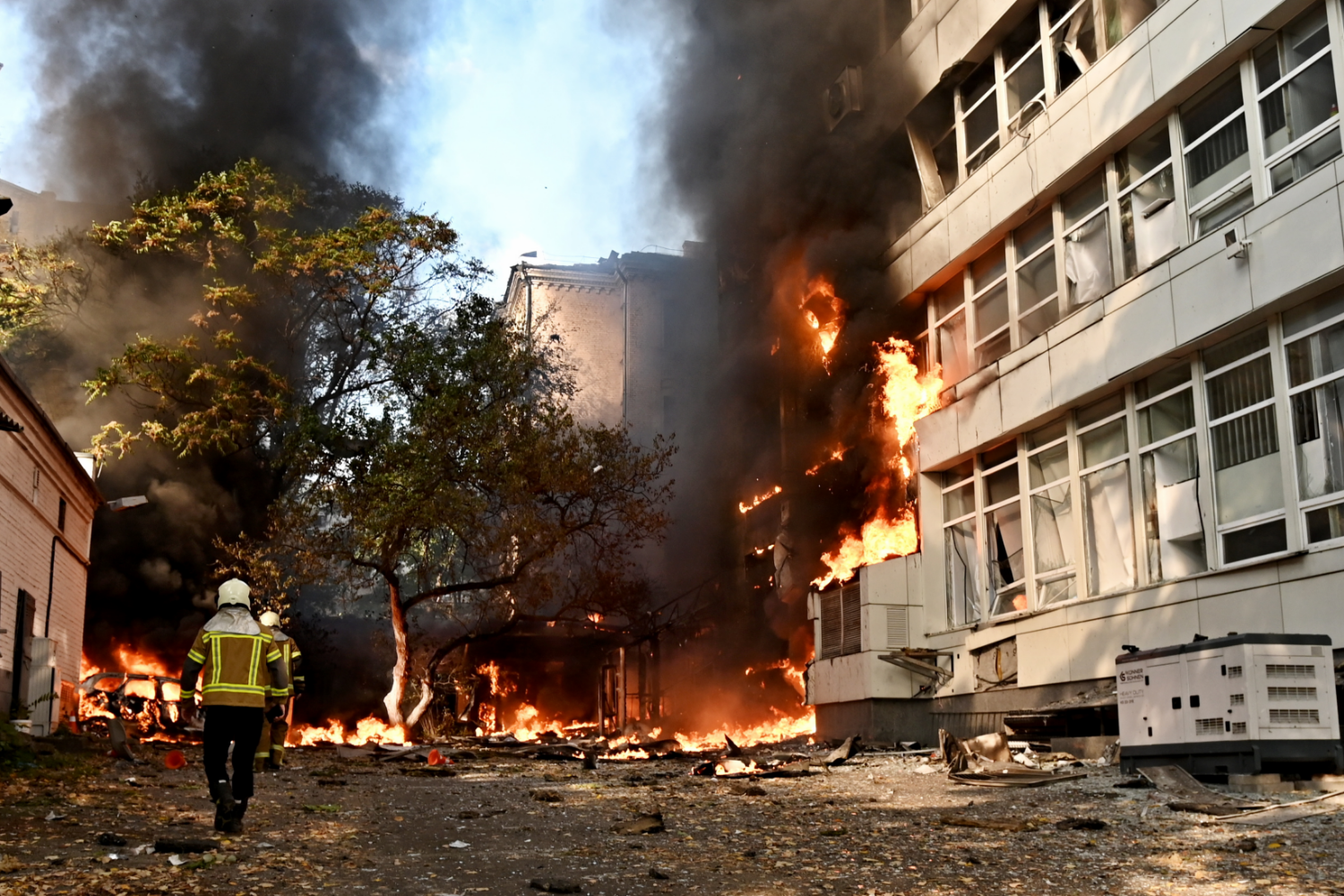
The Strait of Hormuz reached its most dangerous phase since the conflict began, with six vessels struck on October 11, triggering immediate energy and market fallout. Simultaneously, the Ukraine war saw a critical escalation: Russia halted all energy strikes on Ukraine for the first time since a US-brokered truce, while President Zelensky accused Western allies of failing to warn Kyiv of an impending missile attack. Diplomatic friction intensified as the White House removed its Ambassador to Greece, and France seized another Russian-linked "shadow fleet" tanker, drawing accusations of piracy from Moscow. <!-- /headline -->

6 min read/15 sources
Oct 11, 2026

Geopolitics & Global Affairs — 2026-10-11

The day's single biggest geopolitical development is the announcement of a tentative Ukraine energy ceasefire by the US, which surprised Kyiv and triggered immediate threats from Washington to withhold arms if Ukraine continues strikes on Russian refineries. The most escalatory risk to watch is in the Middle East, where Houthi attacks on Saudi Arabia have intensified following a deadly strike on Riyadh airport, while Iran declared the US response to reopening the Strait of Hormuz "insufficient." The most consequential diplomatic move was President Zelenskiy’s conditional offer to hold elections if Russia agrees to a 60-day ceasefire, signaling a potential shift in Kyiv's negotiating posture amidst intense military pressure.

6 min read/15 sources
Oct 9, 2026

Geopolitics & Global Affairs — 2026-10-09

The geopolitical landscape this week is defined by a fragile stabilization in the Middle East, where crude shipments through the Strait of Hormuz have surged to their highest levels since February following a ceasefire, while diplomatic tensions remain high with President Trump explicitly ruling out attacks on Iran before the November US midterm elections. In Europe, the Ukraine war continues to exact a heavy toll, with Russian strikes killing over 70 people in two days, prompting accusations of Western inaction from Kyiv. Simultaneously, global economic fragility is highlighted by IMF warnings that energy disruptions and record public debt could turn future shocks into growth crises.

6 min read/15 sources
Oct 6, 2026

Geopolitics & Global Affairs — 2026-10-06

The most significant geopolitical development today is the confirmation of a suspected Iranian drone plot targeting a British airbase, which led the US to remove B-1 bomber aircraft from the UK, signaling a high escalation risk in the Middle East and Europe. Concurrently, Brazil's political landscape shifted dramatically as former President Bolsonaro's allies achieved significant electoral victories despite his exclusion from the ballot, a move bolstered by US President Trump's remarks on Lula's isolation. Diplomatically, the EU Commission proposed new safeguards against democratic backsliding for prospective member states, while Yemeni government forces launched a counteroffensive to retake strategic coastal areas from the Houthis.

5 min read/15 sources
Oct 4, 2026

Geopolitics & Global Affairs — October 4, 2026

Ukraine escalates strikes on Russian infrastructure as Putin's "new doctrine" targets civilians; Yemen's Houthis intensify attacks on Saudi Arabia, testing regional alliances; and Germany moves to finalize military aid to Ukraine amid broader European security realignment. The week ahead will test whether fragmented global diplomacy can address simultaneous conflicts across Europe, the Middle East, and Asia-Pacific.

7 min read/15 sources
Oct 3, 2026

Geopolitics & Global Affairs — 2026-10-03

Saudi Arabia plans a major offensive against Iran-backed Houthis to break the Red Sea shipping chokehold, marking escalation in Middle East tensions. Russia continues strikes on Ukrainian infrastructure as Poland-Ukraine tensions resurface. Small-state diplomacy gains traction through the Muscat Process amid global fragmentation.

7 min read/15 sources
Sep 30, 2026

Geopolitics & Global Affairs — 2026-09-30

Ukraine's stalemate persists as Russia-US diplomatic pathways remain blocked, while a dramatic mid-air cockpit confrontation on a flydubai flight near Israeli airspace raises new regional tensions. The US disrupted Iranian proliferation efforts as Middle East ceasefire negotiations stall, and Russia escalates nuclear rhetoric over NATO's Baltic posture. All four flashpoints show escalating military risk with minimal diplomatic progress.

7 min read/15 sources
Sep 28, 2026

Geopolitics & Global Affairs — 2026-09-28

The day's biggest development is China's confirmation that a two-month extension of the US trade truce has opened space to advance talks, capping a week in which Trump–Xi diplomacy dominated. The most escalatory risk remains Iran, after Trump rejected a peace plan and Tehran insisted on a diplomatic solution — while crude flows through the reopened Strait of Hormuz hit post-war highs. Taiwan's sharp pushback against Xi's World War Two narrative signals intensifying history-war friction between Beijing and Taipei.

6 min read/15 sources
Sep 24, 2026

Geopolitics & Global Affairs — 2026-09-24

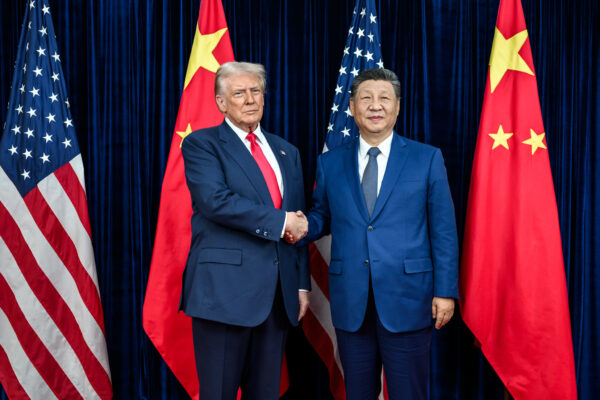
The day's biggest development is the Trump-Xi state summit in Washington, beginning with "great fanfare but low expectations" amid unresolved disputes over trade, AI, Taiwan and the Iran war. The most escalatory risk remains the ongoing US-Iran conflict and the closed Strait of Hormuz, though a phased deal to reopen the waterway is reportedly under discussion. Meanwhile, at the UN, some 80 countries jointly demanded Hormuz's urgent reopening, in the most consequential multilateral move of the day.

6 min read/15 sources
Sep 23, 2026

Geopolitics & Global Affairs — 2026-09-23

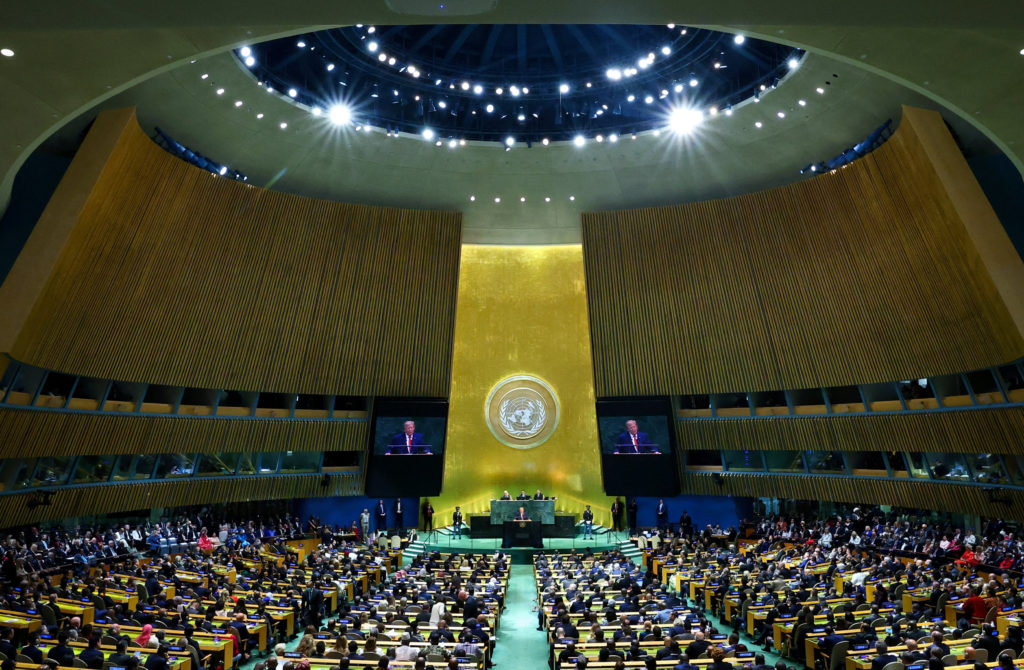
The UN General Assembly high-level week dominated the day, with President Trump threatening to "annihilate" Iran absent a peace deal while diplomats scrambled to salvage talks. The most escalatory risk remains the US-Iran confrontation, with Tehran's Revolutionary Guard warning of changed tactics and targets. The most consequential diplomatic moves are Wednesday's Rubio-Lavrov meeting in New York and an anticipated Trump-Xi summit agenda covering Taiwan arms sales and rare earths.

8 min read/15 sources
Sep 18, 2026

Geopolitics & Global Affairs — 2026-09-18

The global diplomatic landscape is dominated by the intensification of the Middle East conflict, as Saudi Arabia and Yemen's Houthis exchange fresh strikes, threatening global oil supplies. In Europe, Russia is conducting parliamentary elections while France warns of intensifying hybrid attacks from Moscow, prompting Poland to join an anti-ballistic missile coalition with Ukraine. Meanwhile, in New York, the UN Secretary-General succession process has yielded a narrow frontrunner in former Costa Rican Vice President Rebeca Grynspan.

6 min read/15 sources
Sep 15, 2026

Geopolitics & Global Affairs — 2026-09-15

The day's single biggest geopolitical development is the intensification of the Red Sea crisis, as Iran-aligned Houthis launched a new wave of attacks on Saudi targets while urgent talks over the Strait of Hormuz stall. The most escalatory risk to watch is the potential for these Houthi advances to trigger a direct Saudi military response, further destabilizing the Gulf energy corridor. The most consequential diplomatic move involves Venezuela’s Interim President Delcy Rodriguez planning to attend the upcoming UN General Assembly, signaling a potential shift in Latin American diplomatic engagement with multilateral institutions.

7 min read/15 sources
Sep 12, 2026

Geopolitics & Global Affairs — 2026-09-12

Saudi Arabia has shut down its critical East-West oil pipeline following drone attacks launched from Iraq, marking a severe escalation in the widening Middle East war. This energy infrastructure crisis coincides with the BRICS Summit in New Delhi, where leaders including Indian PM Modi and Russian President Putin are navigating a fractured global order. Meanwhile, North Korea has fired short-range ballistic missiles toward the sea, and the U.S. is weighing Defense Production Act measures to expand domestic oil refining capacity.

5 min read/15 sources
Sep 9, 2026

Geopolitics & Global Affairs — 2026-09-09

The six-month war in Iran has entered a dangerous new phase with the largest tit-for-tat attacks on shipping since the conflict began, as both the US and Iran targeted tankers near the Strait of Hormuz, pushing Brent crude above $100 a barrel. In Europe, diplomatic friction intensified with Israel issuing a 30-day deadline for the British consulate in East Jerusalem to close, while Germany’s Chancellor Merz accused the far-right AfD of inciting ethnic cleansing. Meanwhile, US-Canada trade tensions escalated sharply with Washington announcing bans on Canadian motorcycle, dairy, and alcohol imports.

6 min read/15 sources
Sep 3, 2026

Geopolitics & Global Affairs — 2026-09-03

The day’s most significant development is the intensification of the US-Iran conflict, marked by fresh US military strikes on Iranian targets following a brief lull, and Iran’s retaliatory fire on Kuwait. In Europe, tensions are rising as Germany attributes a drone attack at Leipzig/Halle Airport to Russia, prompting EU vows of tougher sanctions, while President Trump’s demand for European repayment for Ukraine aid signals a potential shift in transatlantic burden-sharing. The most consequential diplomatic move is the upcoming US-Iran investigation into a reported airstrike on a wedding party, which could either de-escalate or further inflame regional hostilities.

6 min read/15 sources
Sep 1, 2026

Geopolitics & Global Affairs — 2026-09-01

The geopolitical landscape is marked by renewed military tensions in the Middle East, with President Trump vowing to strike Iran following recent exchanges of fire, while crude shipments through the Strait of Hormuz show signs of recovery. In Europe, Russia intensified its aerial campaign against Kyiv for the sixth consecutive day, as Ukraine lobbies the US Congress for stricter sanctions on Moscow. Diplomatic friction is also rising in the Asia-Pacific, where China issued warnings regarding Taiwan's presence at a regional leaders' meeting, and in the Americas, where Mexico reports a surge in gang-related bomb attacks.

6 min read/15 sources
Aug 28, 2026

Geopolitics & Global Affairs — 2026-08-28

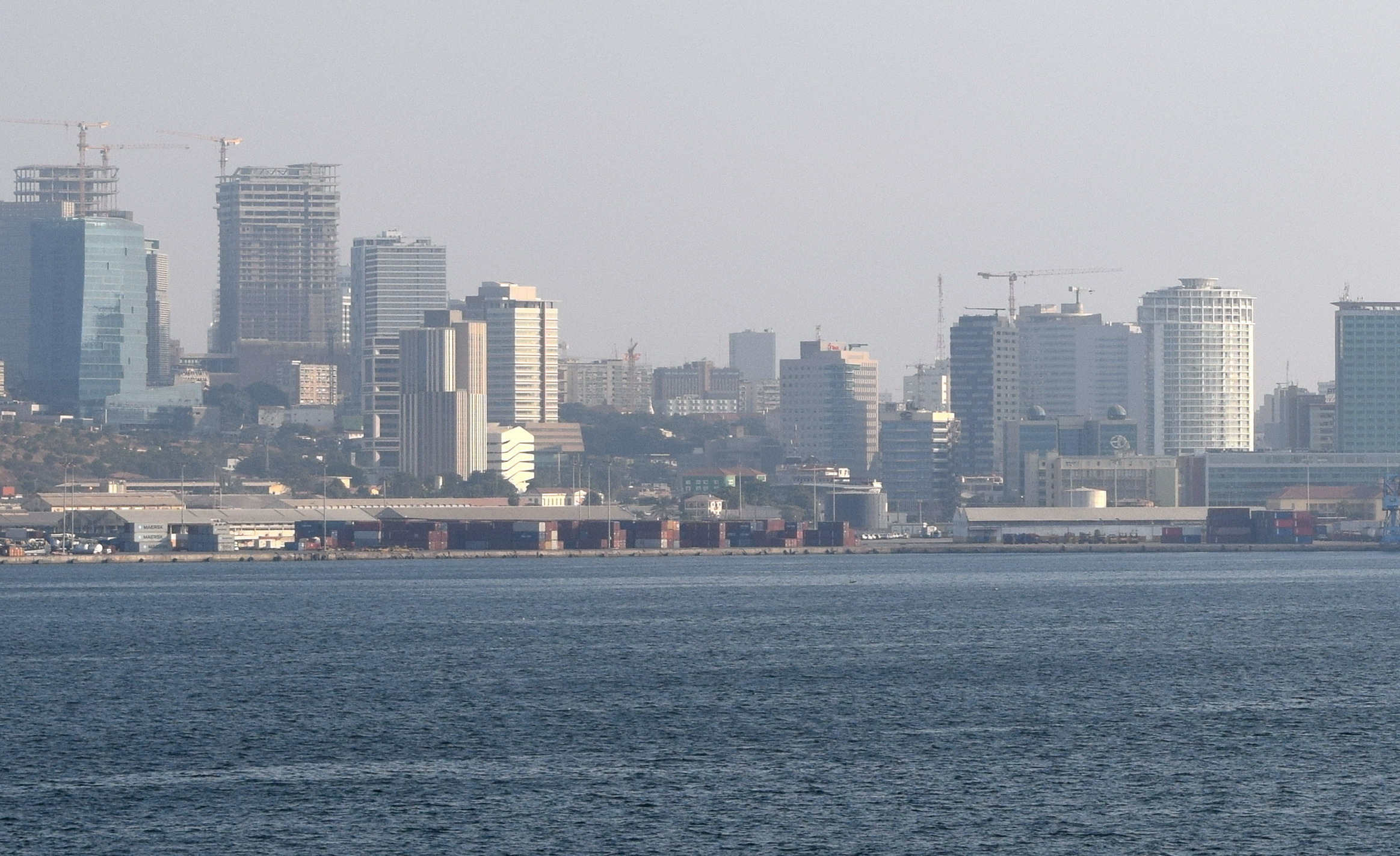
The day’s most significant geopolitical development is the intensification of economic warfare surrounding the Iran conflict, as the US imposed new sanctions targeting Iranian financial networks and Egyptian bank branches, while Iran condemned these measures as "state terrorism" and urged other nations to refuse compliance. The most escalatory risk remains the ongoing disruption in the Strait of Hormuz, where diplomatic efforts to reopen the waterway are stalling amidst continued military posturing and recent strikes on shipping. On the diplomatic front, the African Union convened a critical summit in Luanda to address systemic failures in its conflict-prevention machinery, signaling a potential shift in continental security architecture.

7 min read/15 sources
Aug 26, 2026

Geopolitics & Global Affairs — 2026-08-26

The day's biggest development was CIA Director John Ratcliffe's confirmed meeting with Russian intelligence officials in Moscow—a rare back-channel contact that comes amid stalled Ukraine peace talks. The most escalatory risk to watch is the US accusation that Chinese hackers breached the Justice Department, NASA, Federal Reserve, and Senate, marking a major escalation in cyber-infiltration. The most consequential diplomatic move was the US State Department's rollout of "Operation Economic Outcast" sanctions targeting Iran's military activities and illicit oil trade, even as Iran and Oman continue negotiating a Strait of Hormuz accord.

2 min read/15 sources
Aug 24, 2026

Geopolitics & Global Affairs — 2026-08-24

The geopolitical landscape is dominated by a sharp escalation in the US-Iran conflict, with Washington unveiling an "economic D-Day" of sanctions and Tehran retaliating by blacklisting 45 tankers in the Strait of Hormuz. Simultaneously, the US is restructuring its global military posture, cancelling joint amphibious drills with South Korea to free up forces for the Middle East, while signaling a diplomatic pivot toward North Korea. In a major diplomatic shift, the US has removed Syria from its state sponsor of terrorism list, lifting critical investment obstacles and altering the strategic calculus in the Levant.

7 min read/15 sources
Aug 21, 2026

Geopolitics & Global Affairs — 2026-08-21

The day's biggest development was Iran's vow of a "devastating" response to Washington's pledge to impose the toughest sanctions in history against Tehran, sharply escalating the US-Iran confrontation. The most escalatory risk came from Ukraine, where a Russian strike on a shopping centre in Kryvyi Rih killed six and wounded around 90 civilians. The most consequential diplomatic move was the announcement that France, Britain, and Germany will co-chair a Coalition of the Willing meeting on Ukraine this Monday.

10 min read/15 sources

Want your own AI intelligence feed?

Create custom signals on any topic. AI curates and delivers 24/7.

Create Signal

Powered by

CrewCrew